Tales from the Trail
My 7 month travel adventures
India – Gokana and Hampi
Well I finally headed south to some very welcoming warm weather. I spend 5 very chilled days by the beach.
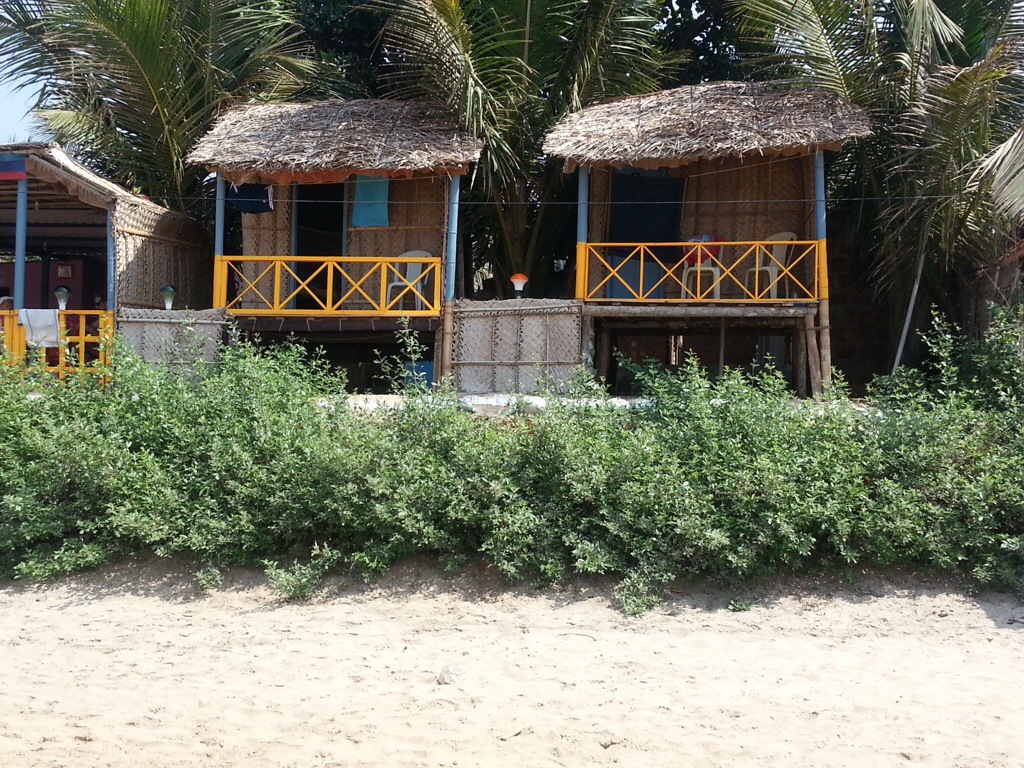
My beach front home for 5 days
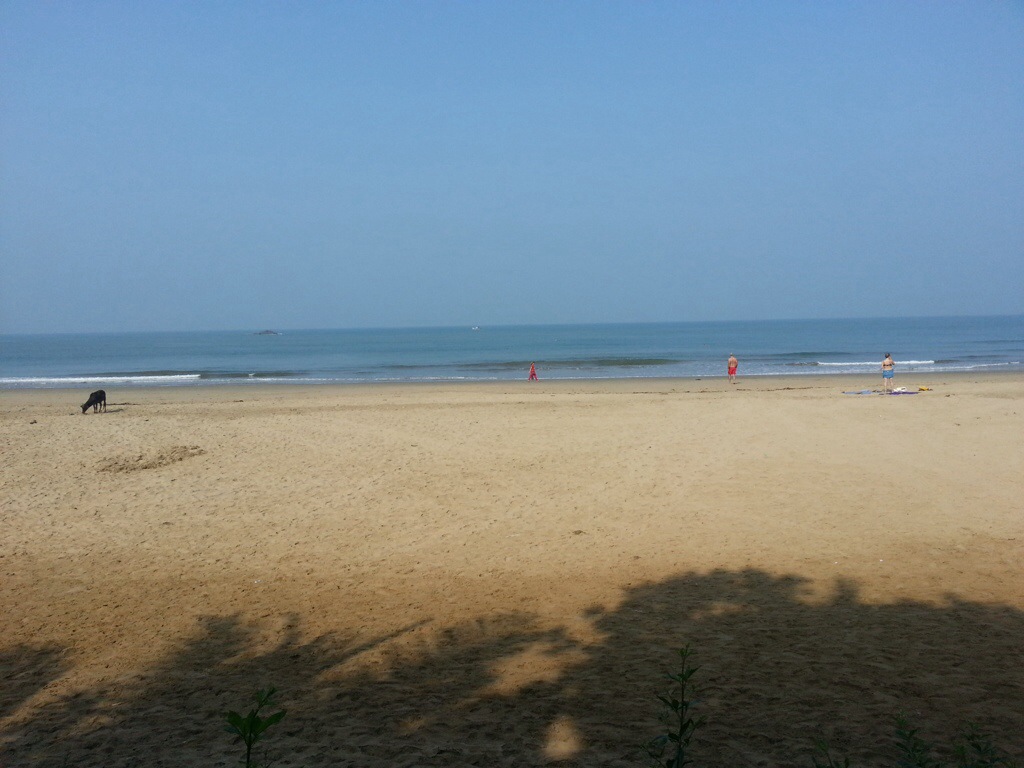
View from my shack

Another view from the shack. Yep, the cows are even on the beach

Beads anyone?

Sunset on the beach
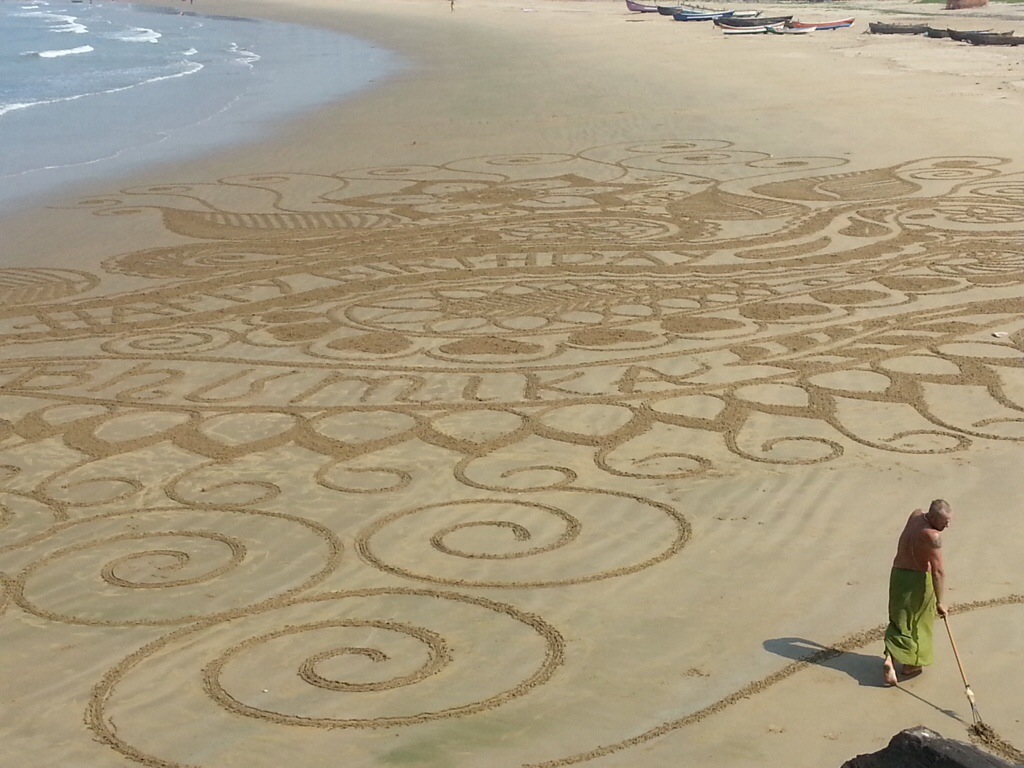
Someone’s very impressive birthday message
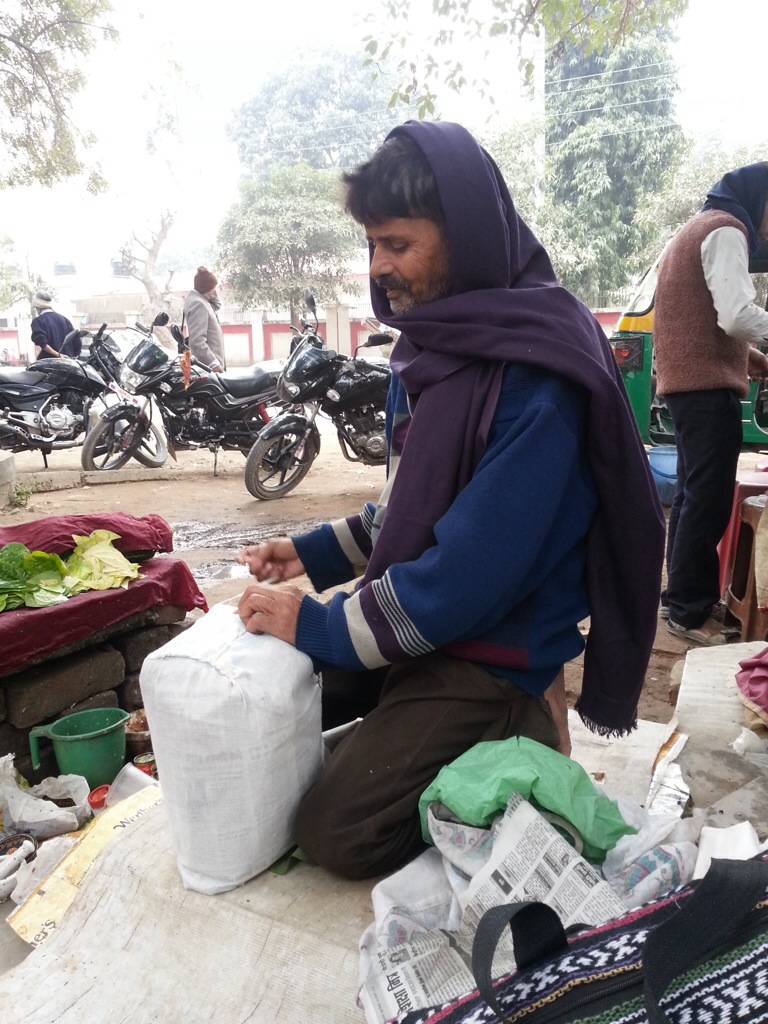
Sending a parcel home. The parcel was wrapped in cotton, stitched together and sealed with hot wax.
Hampi
Unreal and bewitching, the forlorn ruins of Hampi dot an unearthly landscape with heaps of giant boulders perched precariously over miles of undulating terrain, their rusty hues offset by jade-green palm groves, banana plantations and paddy fields. (OK, so this is straight from the lonely planet book but aptly describes this World Heritage site). The ruins date from the 14th to the 16th centuries.
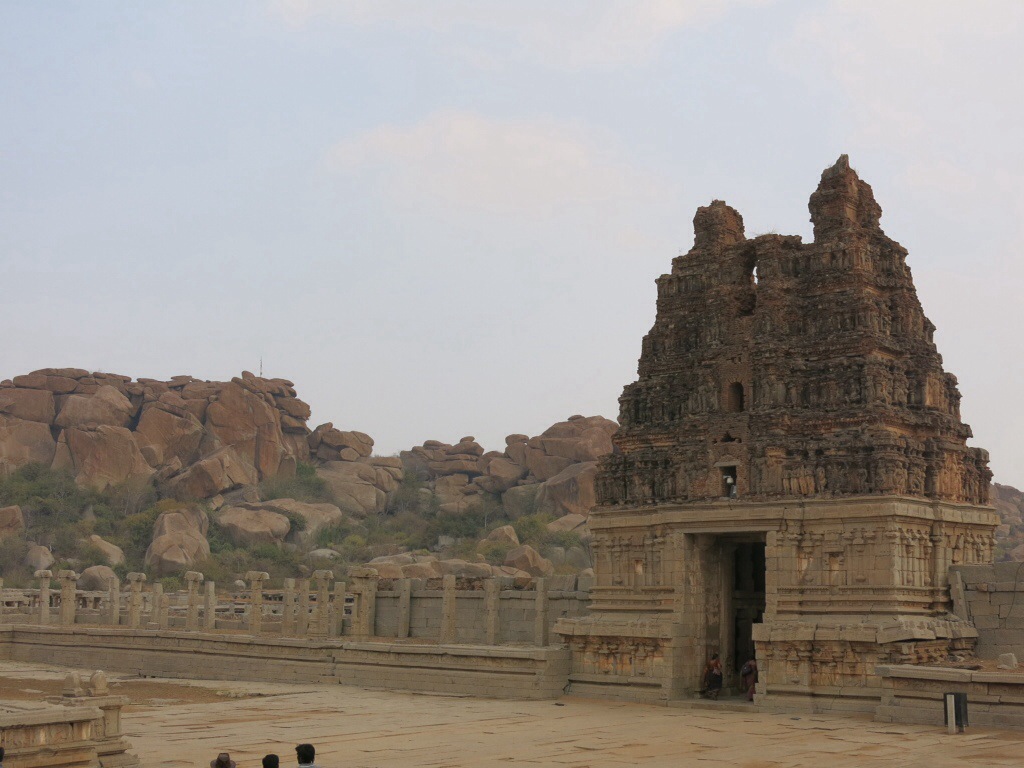
Vittala Temple complex

Vittala Temple complex

Vittala Temple complex
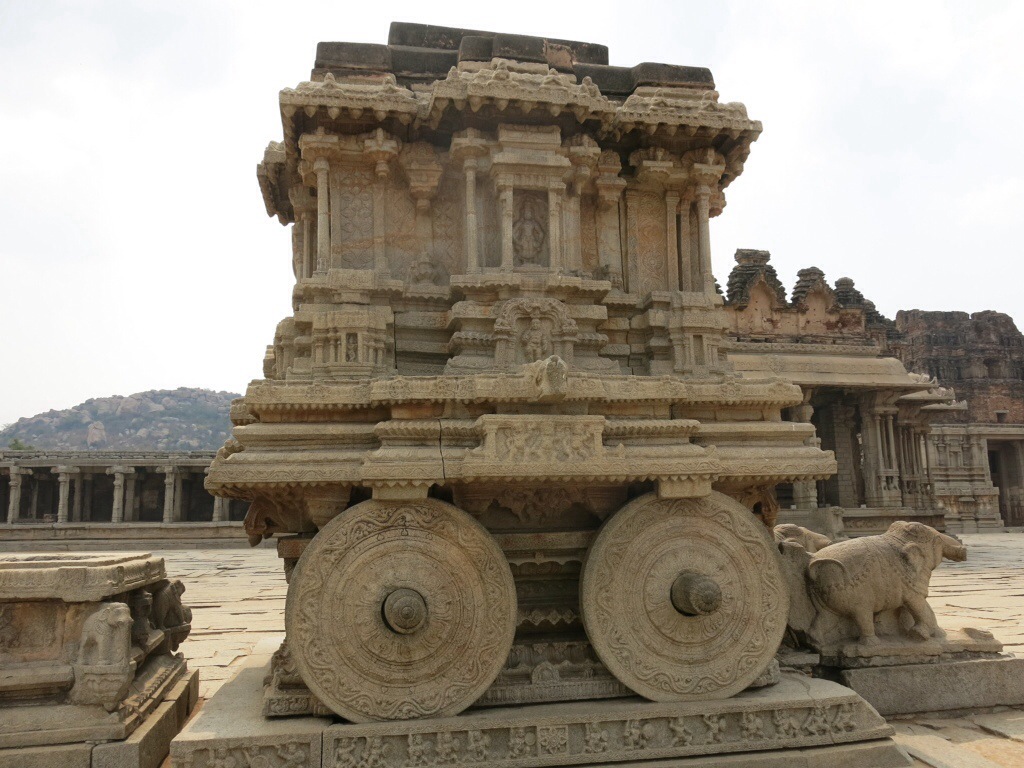
Vittala Temple complex
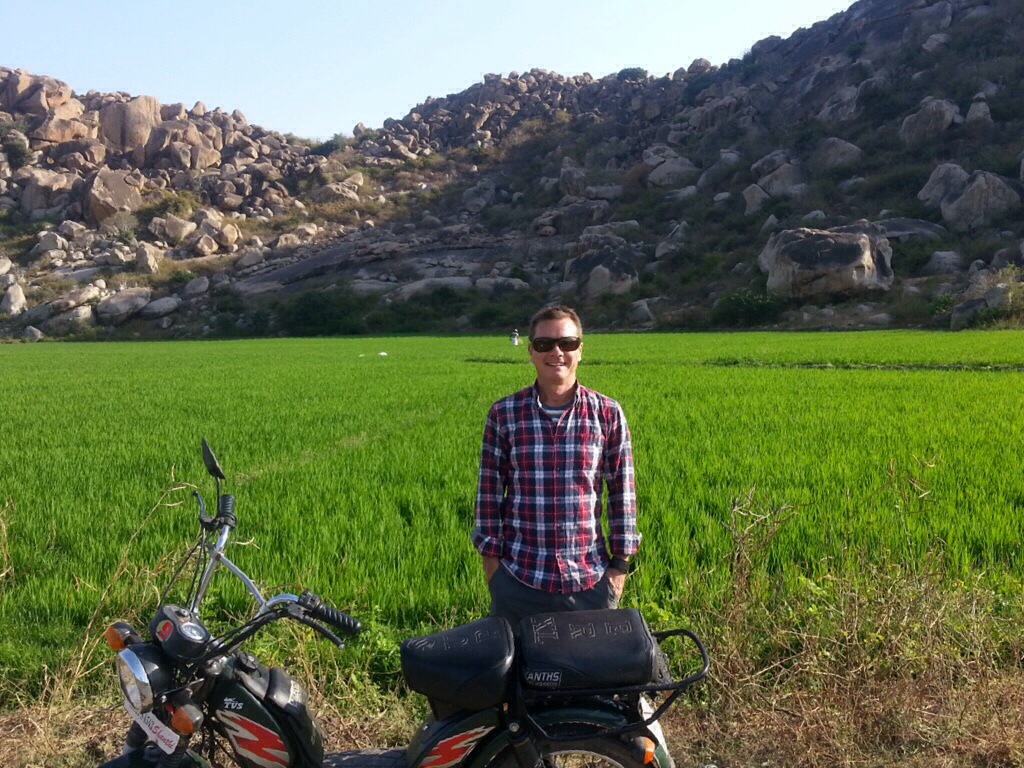
The whole area of Hampi is quite large, so I hired a small motorbike for 4 days to get around
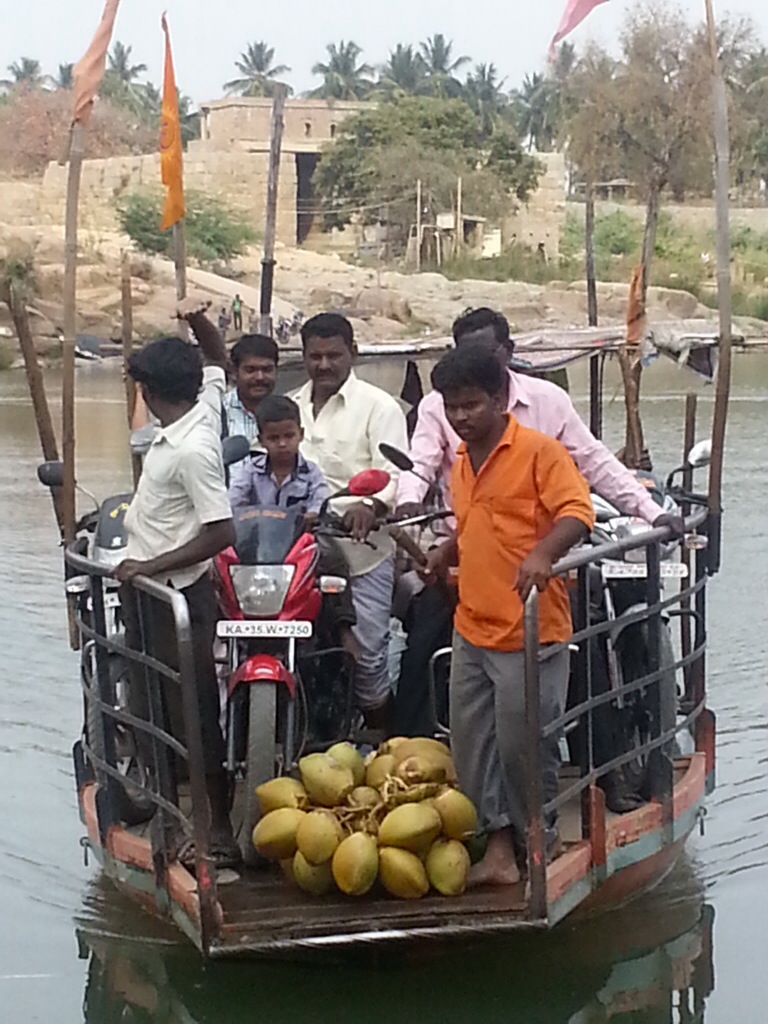
A river dissects Hampi into two. A bridge was completed in 2010 but fell down 2 days before it opened. This is the river crossing that I used each day.

View from my guest house – rice paddies, coconut trees and amazing boulders
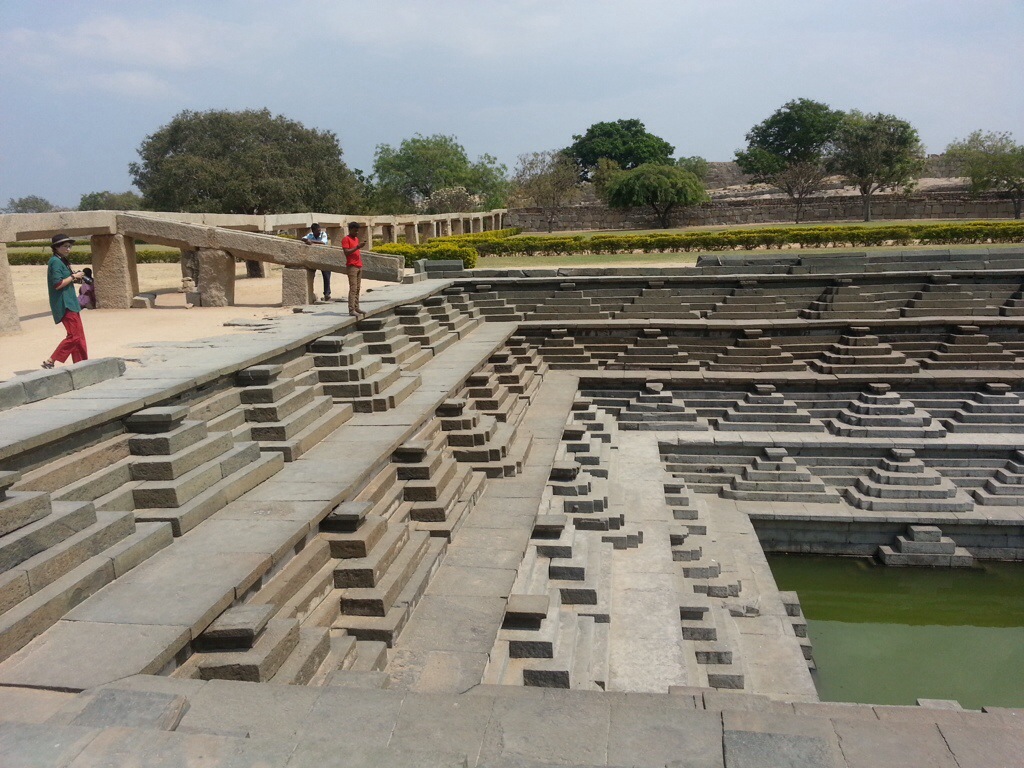
Old aqueduct and water storage system

A local man cooking for a group of us in his home

The man’s son
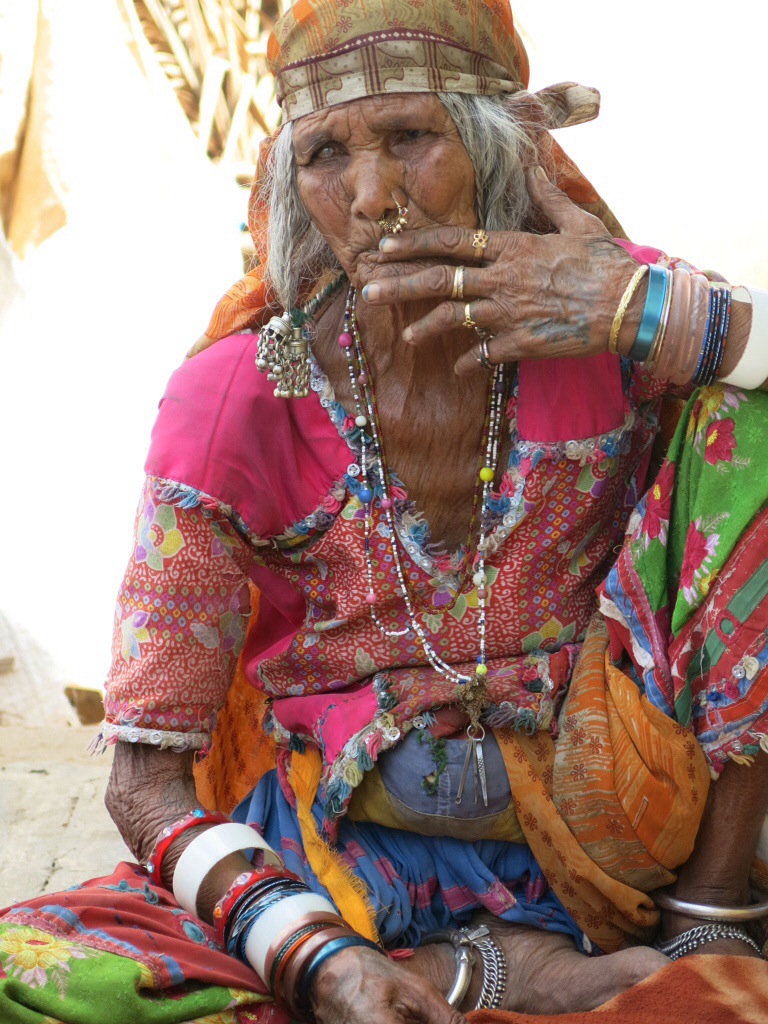
And a neighbour

Paddling in a wicker boat
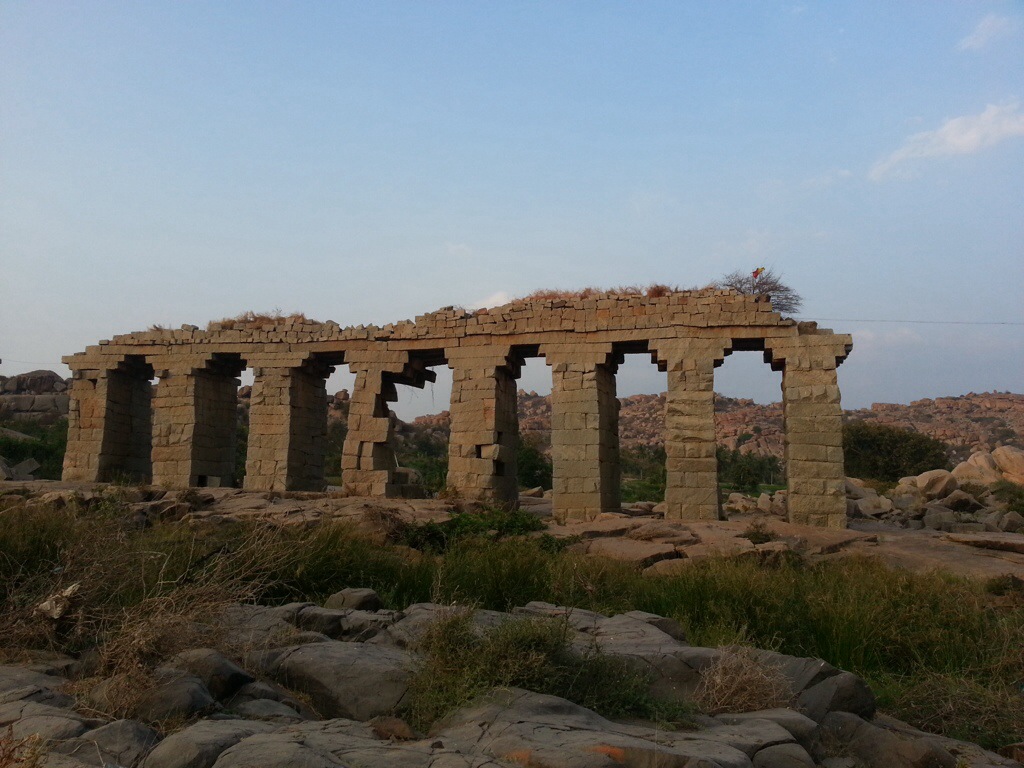
More ruins
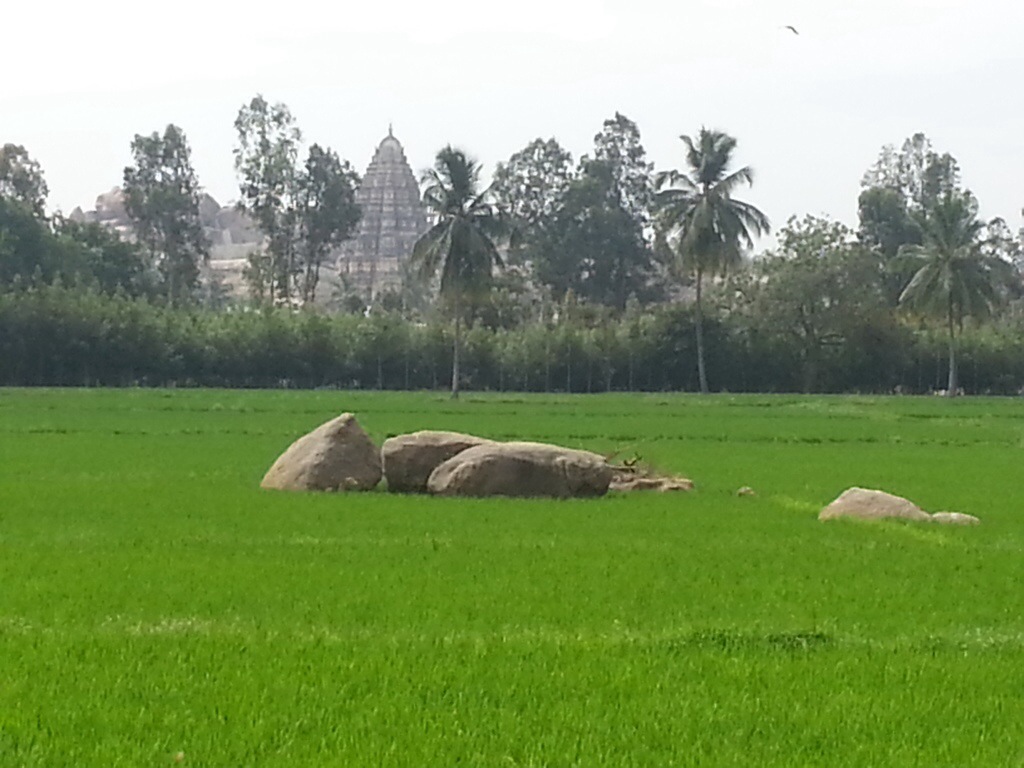
Rice fields and ruins

Hampi skyline
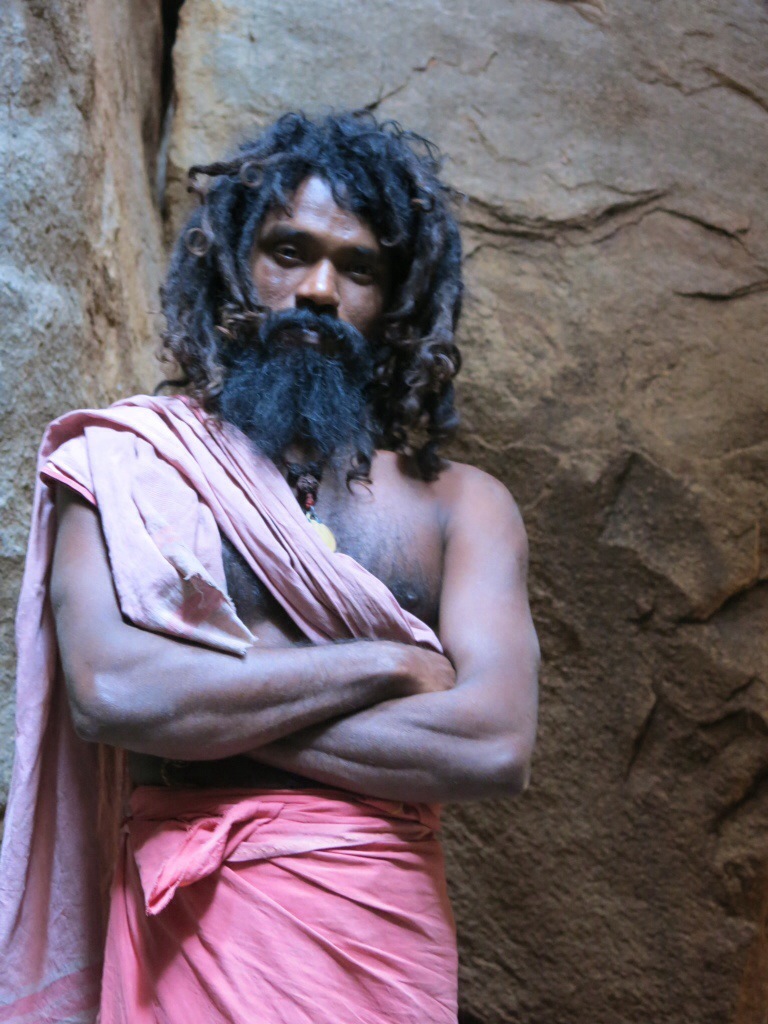
A local man living in a small temple up in the boulders for the past 4 years
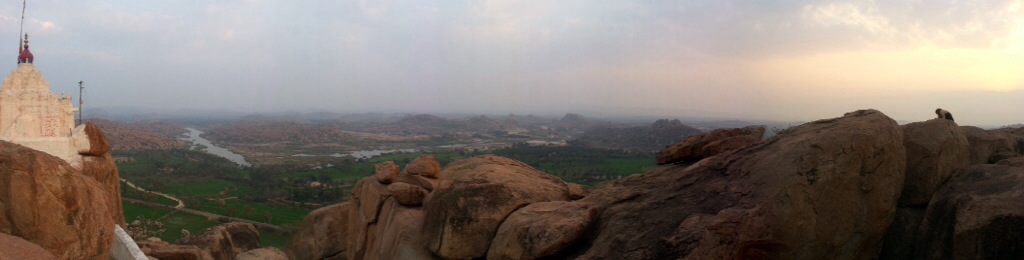
View from the top of Hanuman (monkey) temple

The walk down from the Hanuman temple – more than 500 steps
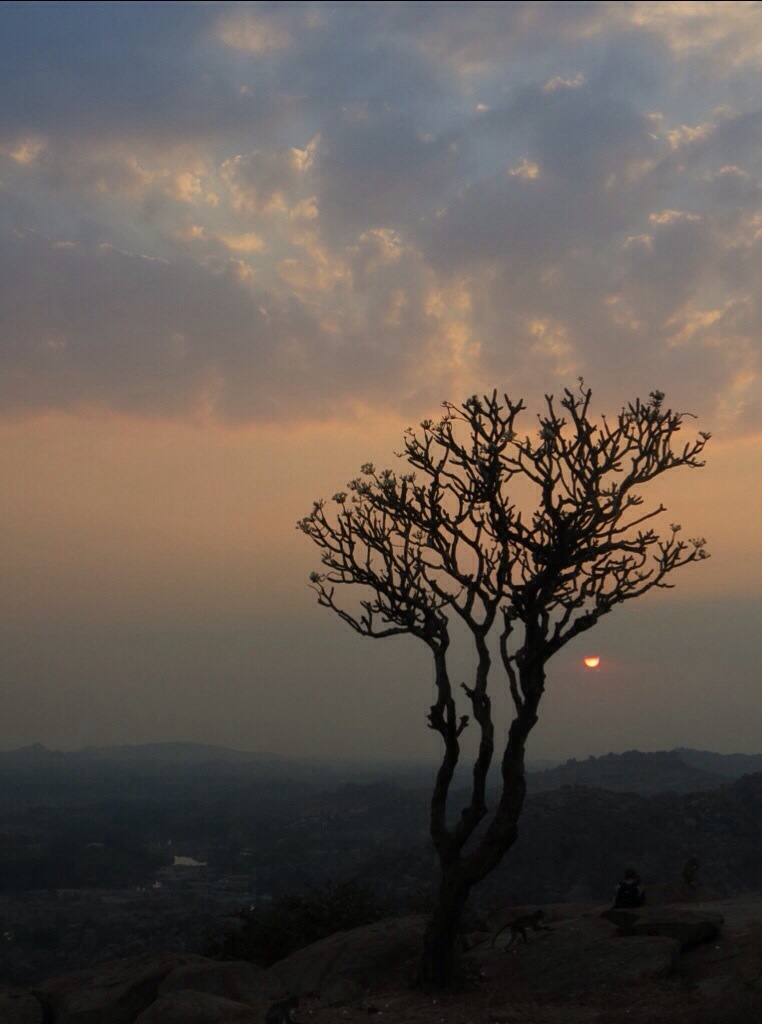
Sunset from Hanuman temple
India – Varanasi
Well after the tranquility of Rishikesh, I headed back to Indian chaos, this time in Varanasi. Like much of India, I found Varanasi to be full of contrasts. It it the holiest city in for Hindus, and once again on the banks of the Ganga (the Ganges).
The main feature is the bathing and 2 burning ghats which stretch for over a kilometre on the bank of the Ganga. Like elsewhere in tourist areas, the touts are uncompromising, offering boatrides, massages, shaving, flower and candle offering to float in the Ganga as well as the usual postcards etc. Once again the cows take priority over human traffic.
Once I settled in, I was able to look beyond these challenges which have become part of everyday life here. I was also able to find some peaceful moments – a chilly dawn sunrise boat ride, although as it is winter here, there was no sun to be seen, but plenty of atmospheric mist rose up from the water. I also managed some quite time by the river, watching the children fly their kites, playing cricket and the glow of the candles floating down the river after sunset.
One of the most interesting and confronting aspects of Varanasi is the burning ghats. The deceased bodies are brought to the ganges for burning, some travelling by train from miles away for their final rights. I actually found the whole experience quite serene and comforting. I’m really glad that I got to witness this different way of treating the deceased. Out of respect I didn’t take any photos of the the burning ghat (apart from the distance of the dawn boat ride), so I thought I’d share with you what I saw….
Walking towards the main burning ghat, I see the smoke rising before I get close. I walk past vast piles of wood of different thickness. Large old metal scales are waiting, like they have been for so many years before, to carefully calculate the correct amount of wood required to burn the body. I walk up the side of the ghat, past more piles of wood, more than five times my height, and from a balcony, look down at the scene below. There are about 8 fires burning, some just starting, others raging, and some just smouldering. There are men – all men, family and friends, watching or helping with the proceedings. There is a sudden loud chanting – more like football team supporters than a religious chant, and from below the balcony, I see four men carry a body wrapped in glittering gold and red cloth, while others follow after. They navigate past the crowd, past the dogs and cows, and make their way down to the edge of the Ganges. Wading into the murky water, they fully immerse the the body in the river. The body is then placed in a queue on the ground, waiting for the next available fire. The pyre is prepared by one of the lowest casts in India, and they prepare the wood for the body. Four family members then place the body on the wood pile. Some of the bodies are just covered in plastic, and I saw red blood through the plastic. The final pieces of wood were then placed over the body. One of the family members is chosen to light the fire. They stand out because their heads are shaven and they are wearing a simple white cloth. They hold stiff reeds in their hands, and hot coals from a eternal fire is placed on the reeds. They then circle the body, and when the reeds catch alight, they place the burning reeds underneath the prepared pyre.
The pyres normally burn for about three hours, after which most of the body has turned to ash, although some parts such as the chest do not burn completely. The man with the shaved head removes this part from the fire, and balancing it with two sticks, carries the remains and places it into the Ganges. When all is done, the ash is collected and removed and more workers sift though the ash in the river, similar to panning for gold. And in a way, this is what they are doing – sifting through the remains for anything that may be of value.
Up to 250 bodies can be cremated in one day at the larges ghat, and the fires after burn 24 hours a day.
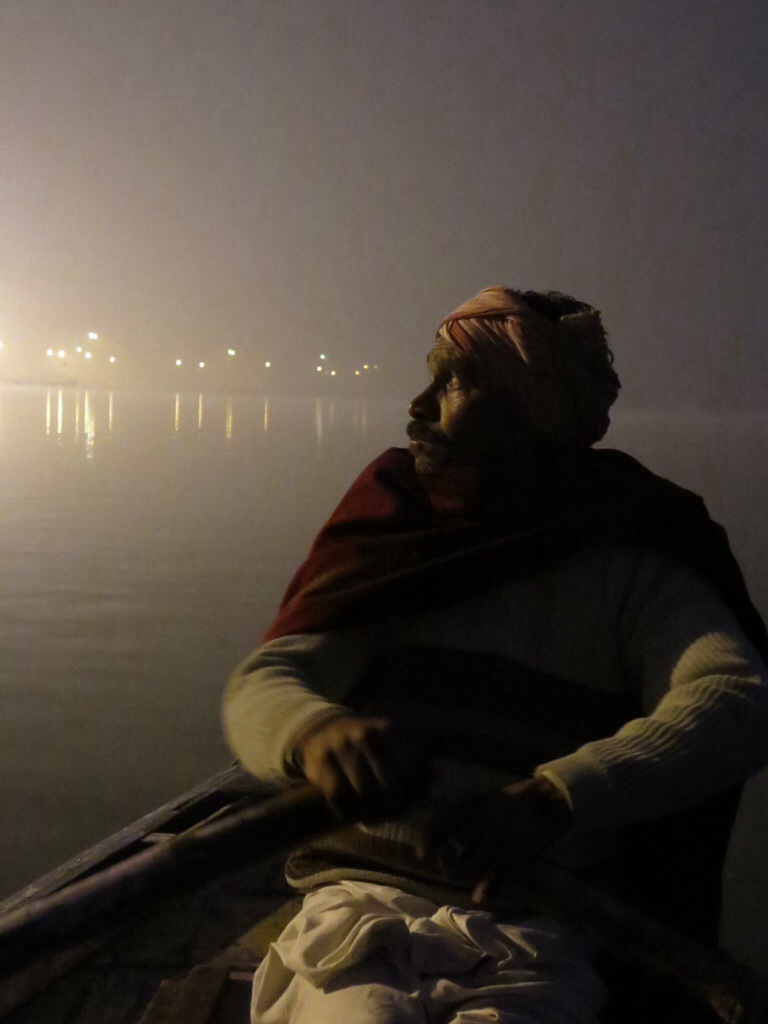
The start of the pre-dawn boat ride on the Ganges. It was a very small and old wooden boat.

The burning ghat

Riverside view

Daily rituals

Morning bustle at one of the main ghats
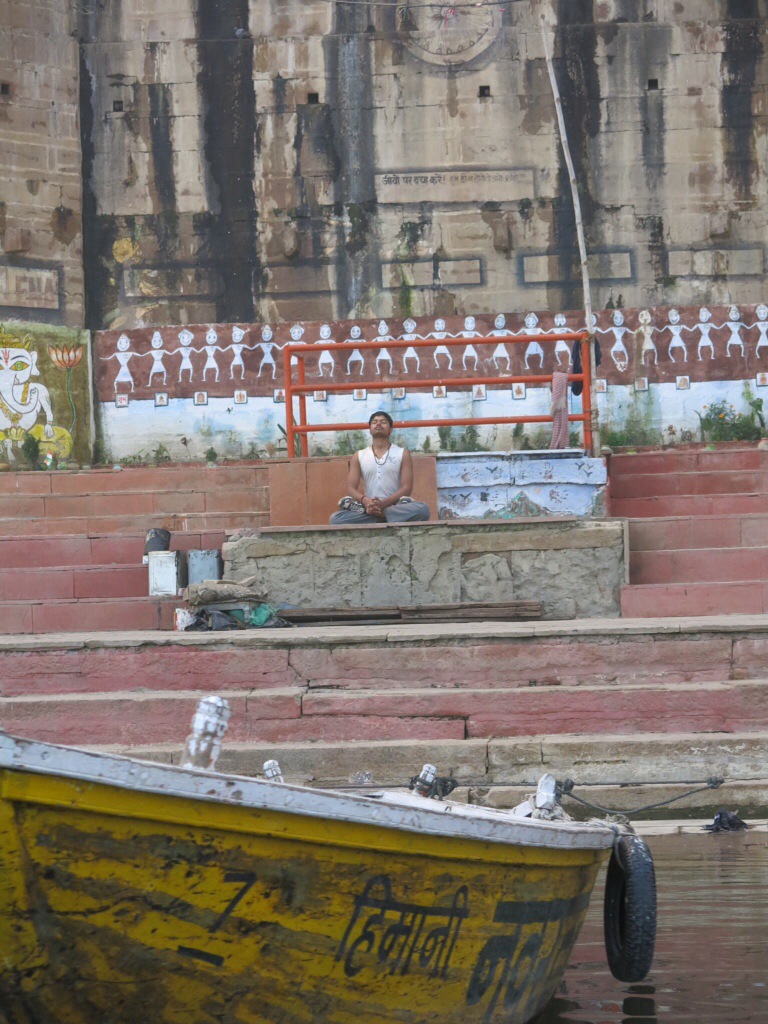
Time for some reflection

Washing in the litter strewn river

Morning bathing. It was very cold this time of year, and yet people still bathed every morning in the dirty water
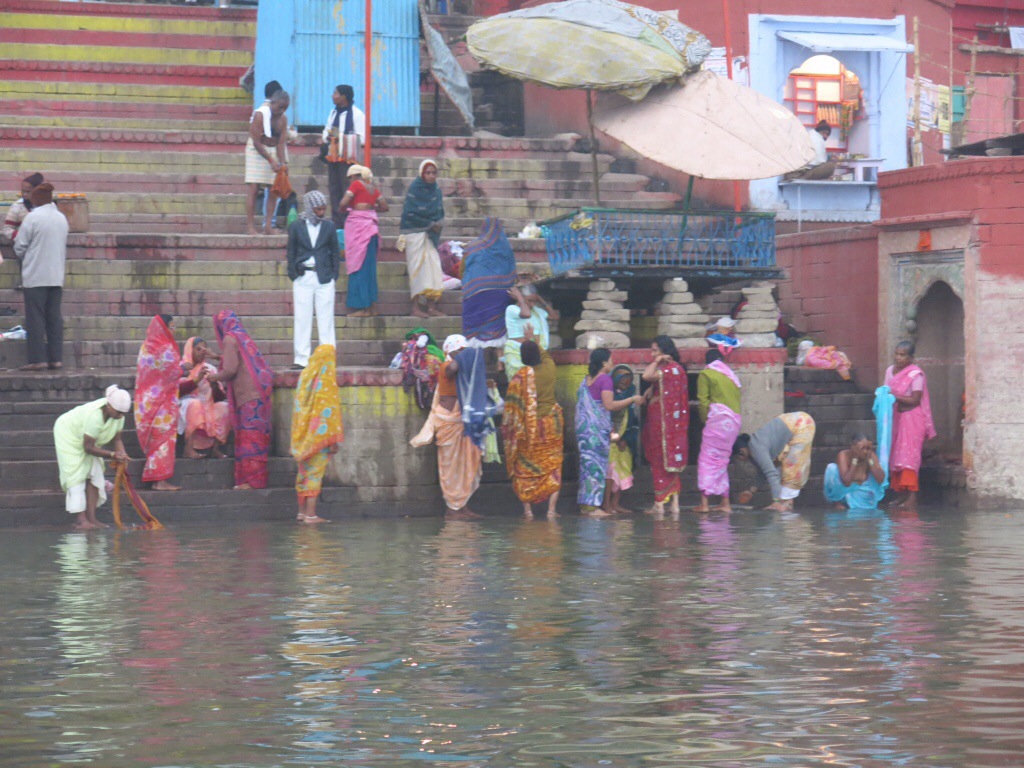
Women bathing
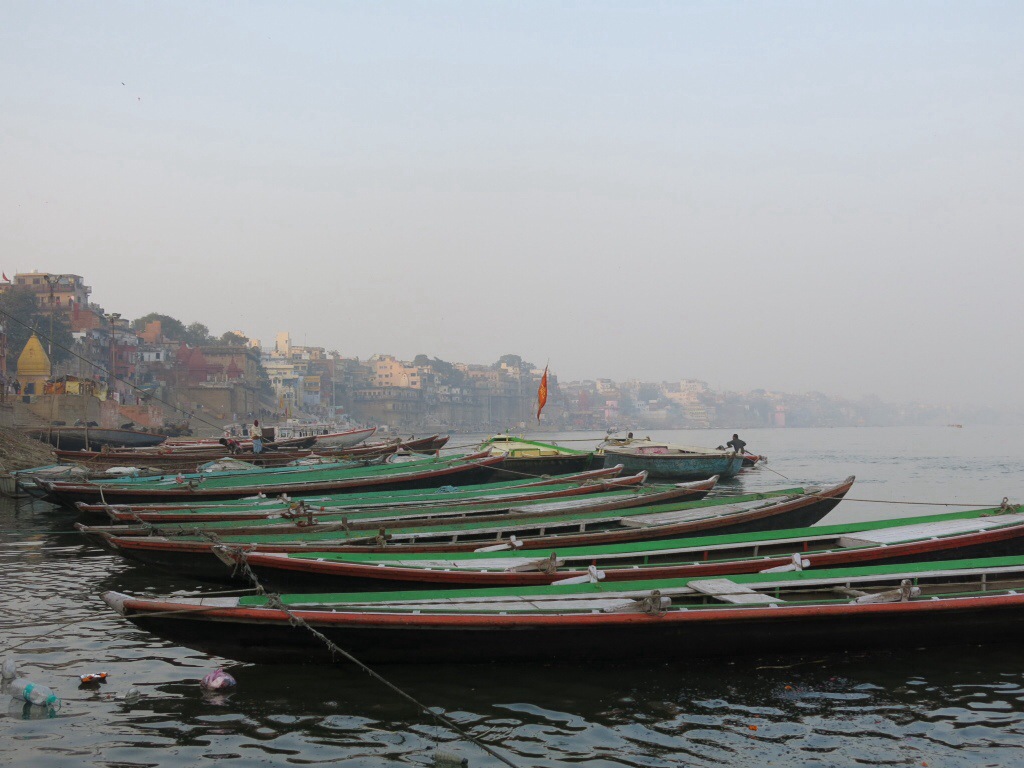
River scene
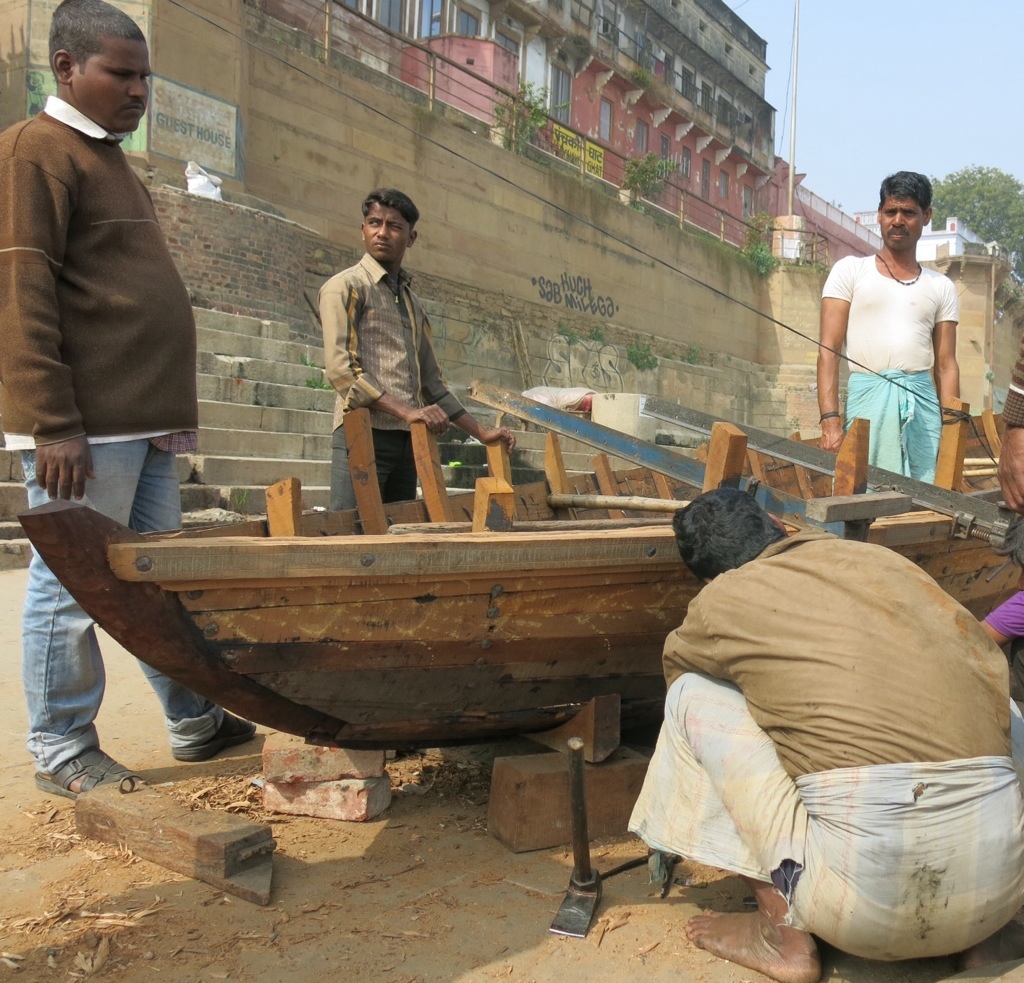
Boat building
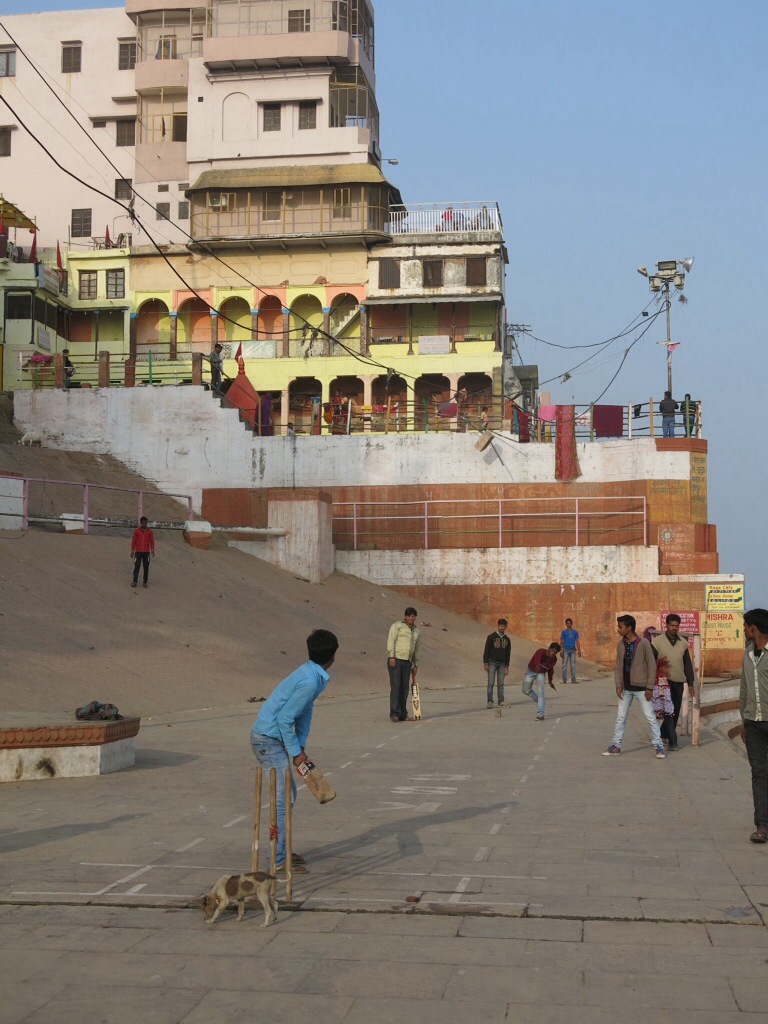
Cricket on the banks of the Ganges
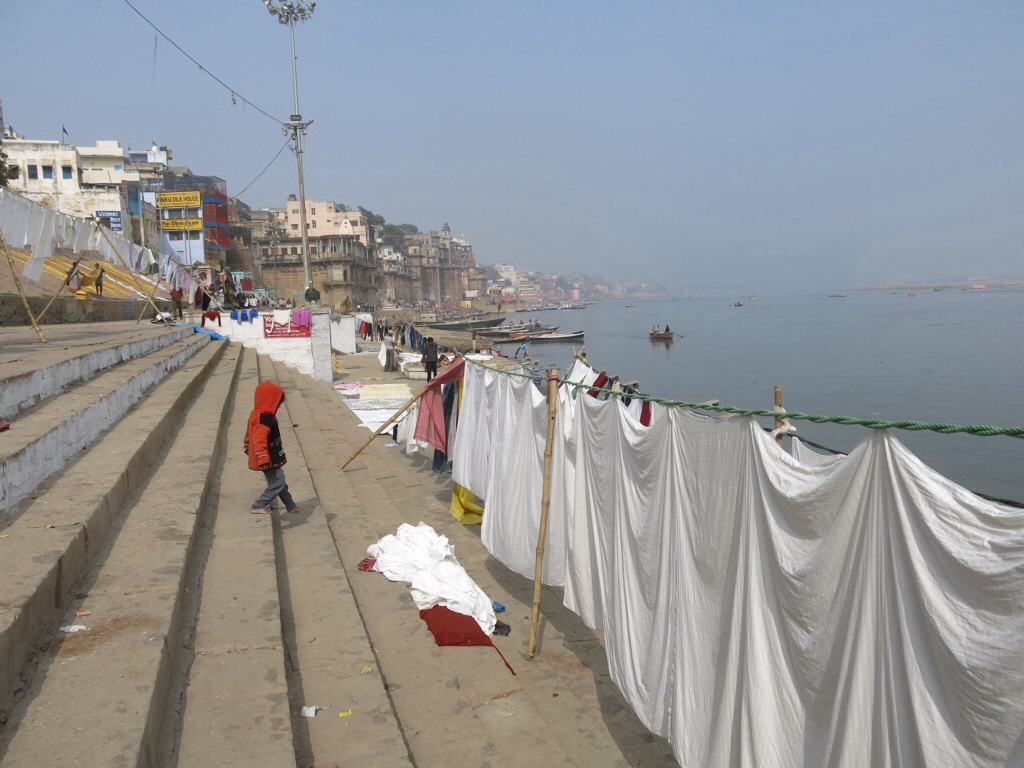
River scene

Chai time
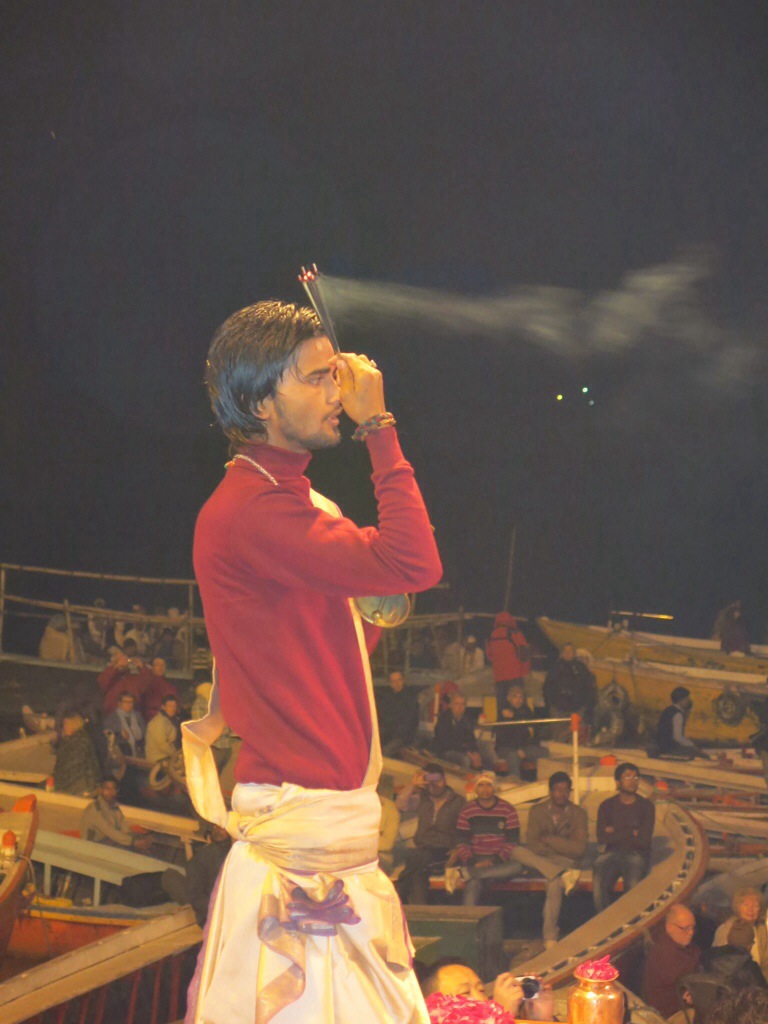
Riverside ceremony
India – Rishikesh via Delhi
After the whirlwind trip through Rajasthan, I decided to take some other travellers advice and head to Rishikesh. I hadn’t heard of the place before, and wasn’t on my original itinerary. The only options to get there was either a 17 hour bus ride or two trains going via Delhi. I had heard a few nightmare stories of drivers on overnight buses being drunk, so it was a 11 hour overnight train to Delhi and then another 7 hour train ride to Rishikesh. I made the most of the one day in Delhi and saw a couple of sights that I missed out on the first time.

My first long haul train ride. I splurge out on a first class ticket, which is a compartment with only 2 bunk beds. Only trouble was there was a guy below me who started to talk to himself within five minutes of getting on the train. I was thankful when he fell asleep, but not for long as the talking was replaced with loud snoring. Needless to say I didn’t get much sleep. In the morning the snoring was abrubtly replaced with several loud curry induced farts. I was relieved to arrive in Delhi.
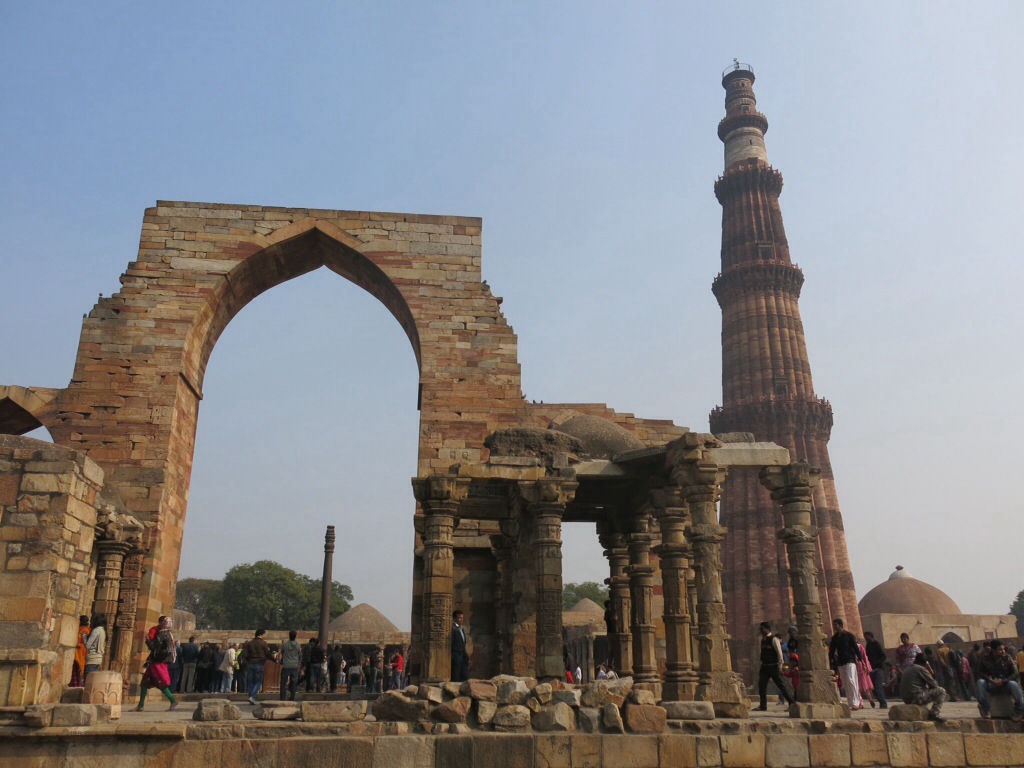
The Qutb complex. The main feature is the Qutb Minar – the tallest brick minaret in the world. Construction began in 1192, but took several centuries to complete. It was stuck a couple of times by lightning during construction and also damaged by an earthquake.
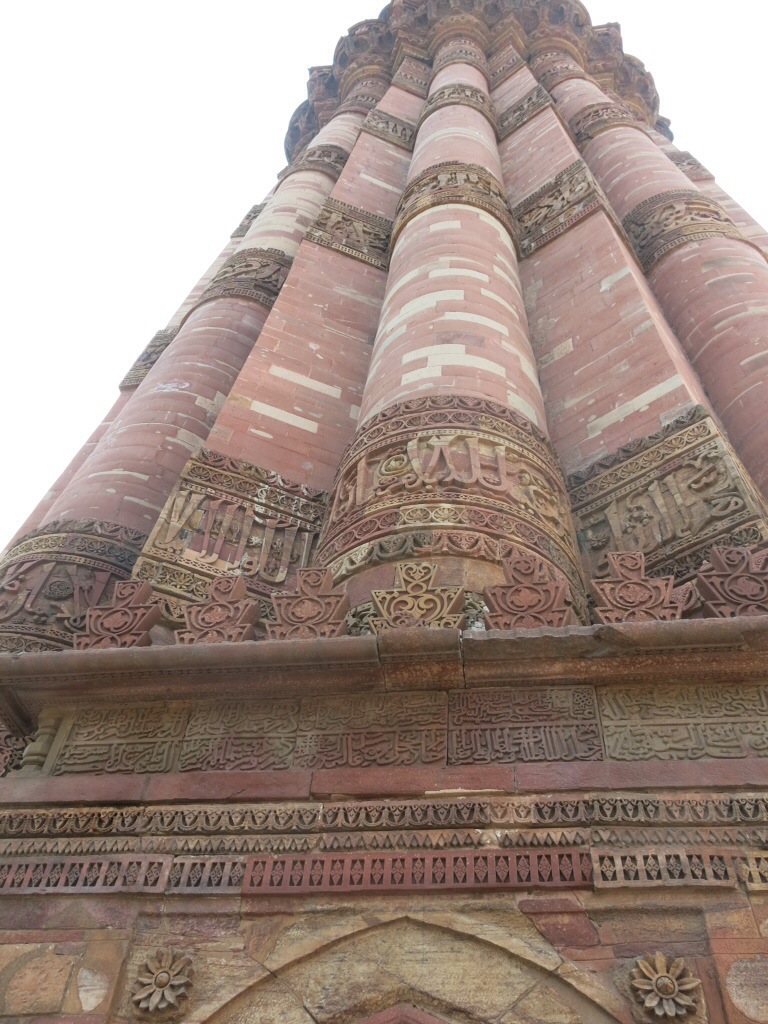
A close-up of the Qutb Minar

Inscriptions near the base of the Qutb Minar

An ornate doomed roof
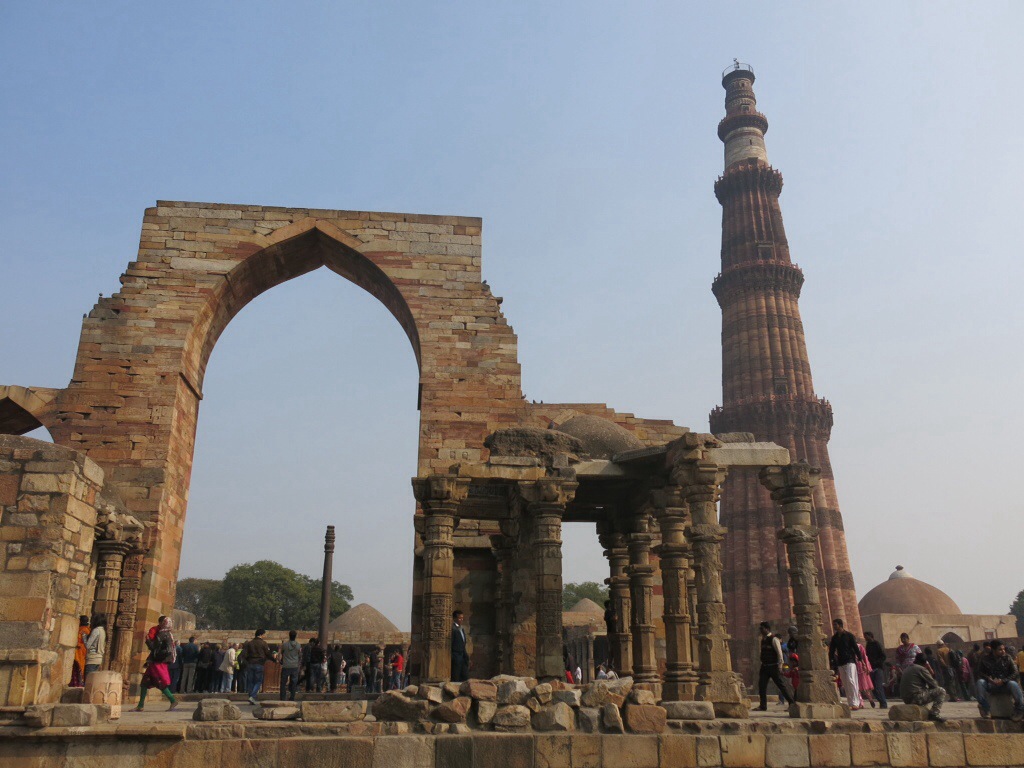
The site also contains ruins of a mosque as well as several other impressive buildings
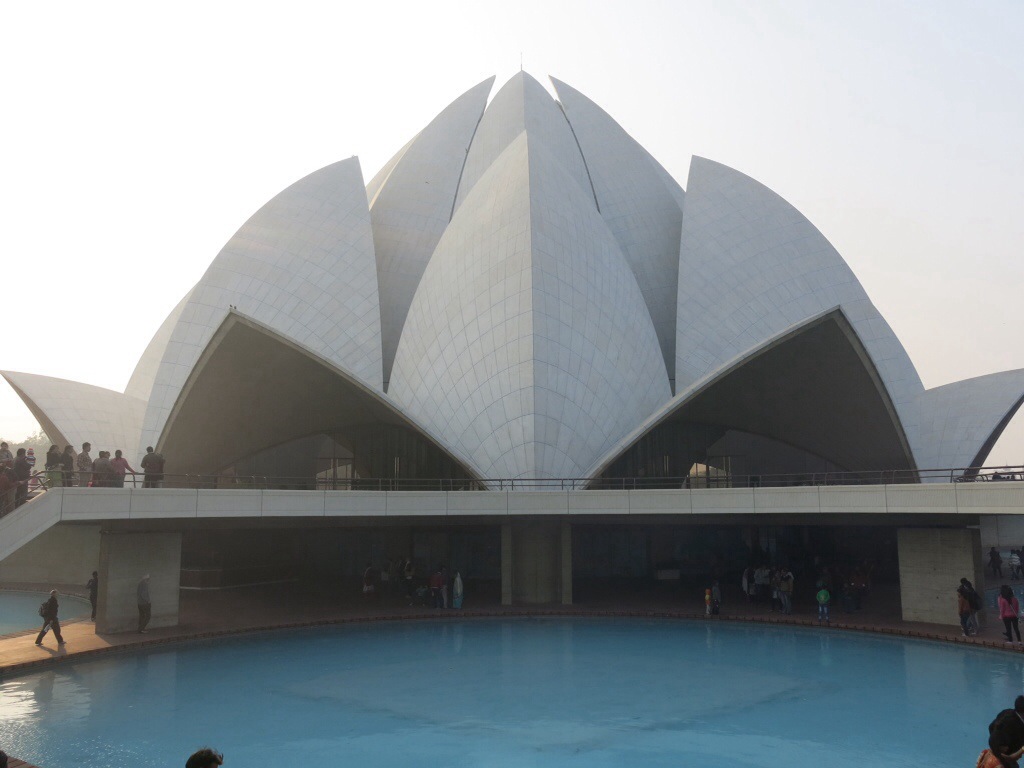
The Lotus Flower temple (Bahai House of Worship). Looks suspiciously like the Sydney Opera House, but is a lotus flower rather than sails, and is lined with marble rather than ceramic tiles.
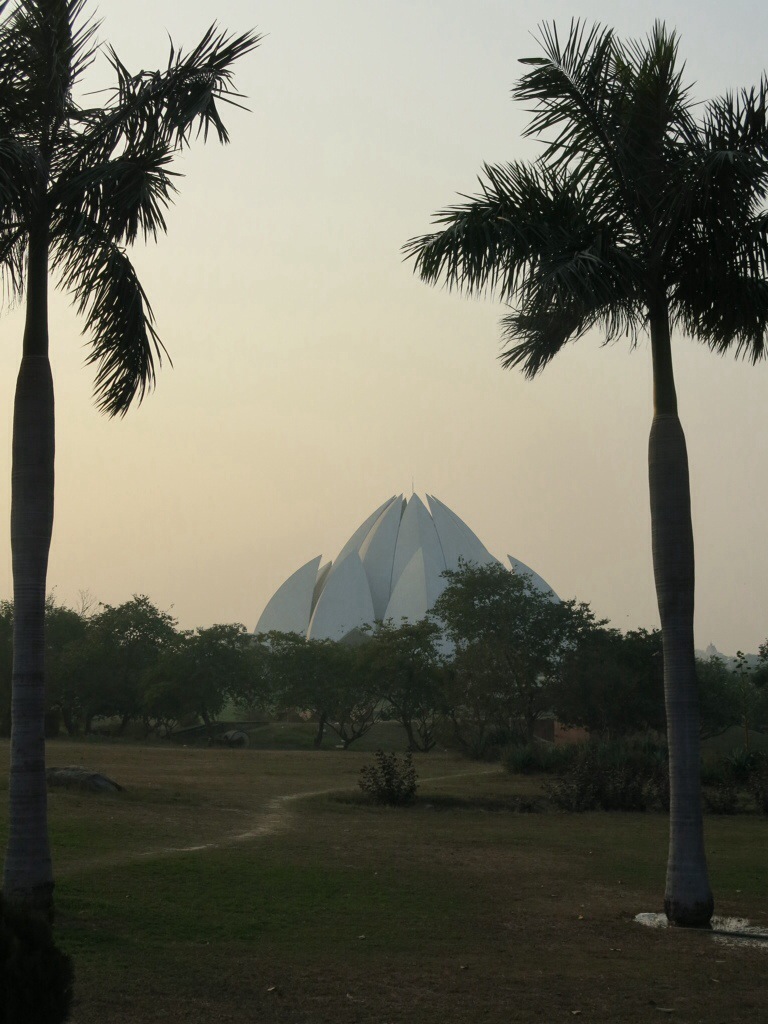
The temple from a distance

Settling in for my 7 hour train trip to Rishikesh. One class lower than the previous trip, it was nevertheless a comfortable and drama free trip.
Rishikesh. I’m quickly discovering that the different states of India often feel like different countries and Rishikesh was no exception. It’s in Northern India, adjacent to Nepal. Needless to say, it was quite cold this time of year. The touristy area is to the north of the city, in a few small villages clinging to the hills with the Ganga (Ganges River) flowing through the middle. It’s a quiet and very scenic area. It’s also a very spiritual place for Hindus, with lots of Ashrams and Sadhus (holy men). While many tourists opt to stay in an Ashram, I preferred the independence of a hotel. I ended up spending 17 days here, in a reasonable hotel with a hot shower, wifi, and a balcony with partial river views. The total cost of my stay for the 17 days was $110.
I spent my days doing yoga, meditation and learning about Ayurvedic medicine. I also enrolled in a 10 day panchakarma (detox) treatment, as well as 7 day Ayurvedic theory course.
Here are a couple of pics.

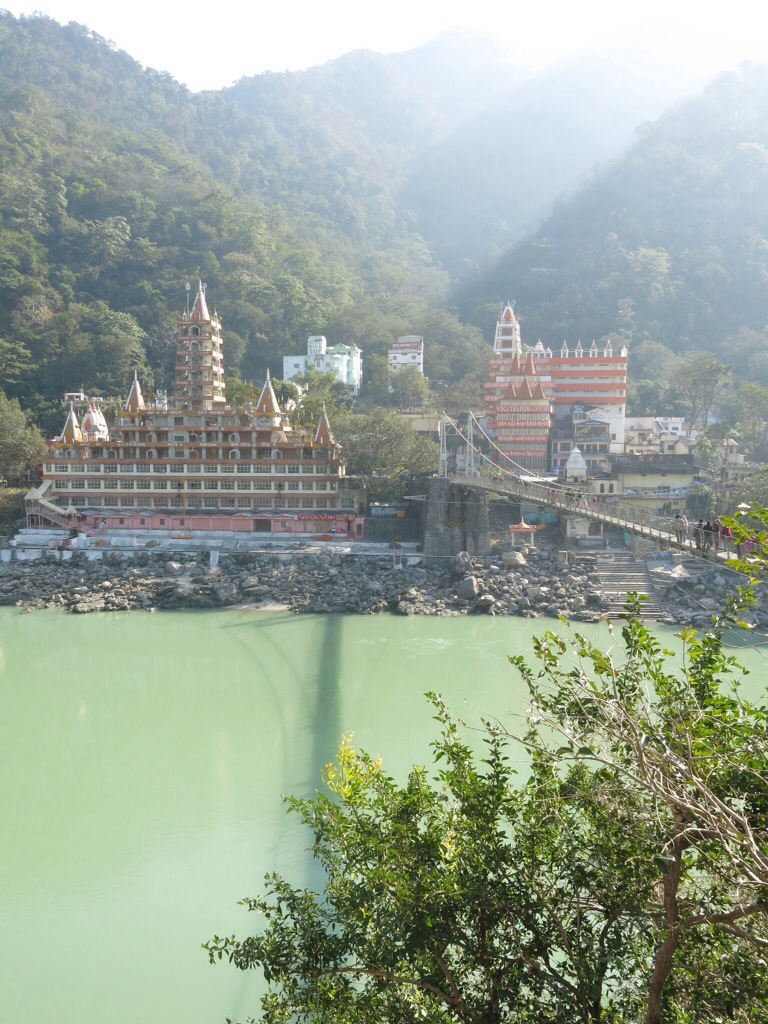
View of the Ganga and the pedestrian footbridge which links the villages.

The pedestrian footbridge – also used by motorbikes, donkeys, cows and feral monkeys
Breakfast view from one of my regular cafes

One of the many Ashrams
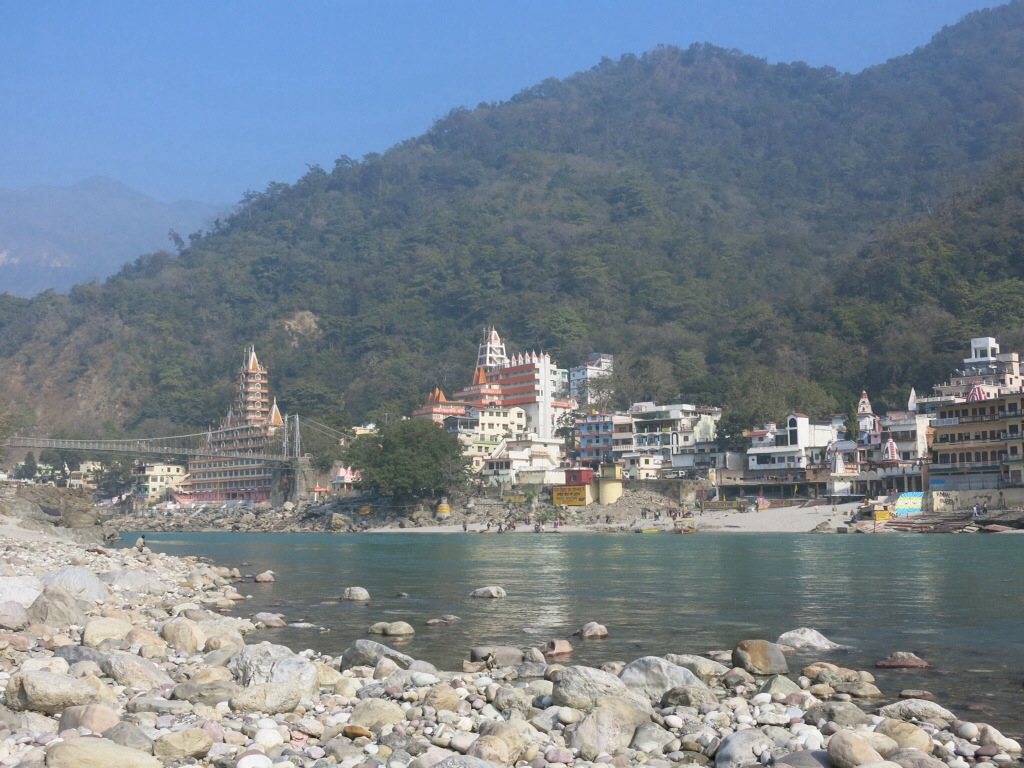
Another view
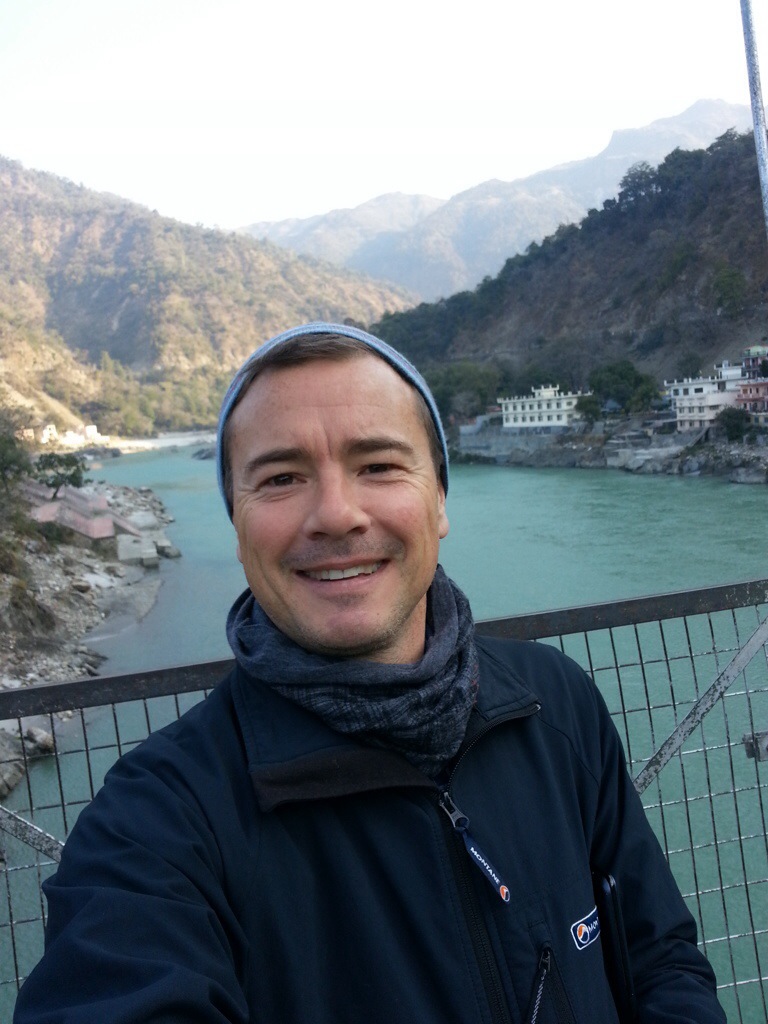
Goodbye Rishikesh – I’m heading south for some warmer weather, but stopping at Varanasi on the way…..
India – Rajasthan
A few people have asked me if I am enjoying India. Overall, I’m enjoying it a lot more than I expected. It’s a vast, diverse country which I can only begin to tap into on one short trip. At times it can be a bit exhausting and overwhelming, but I am learning to go with the flow and have the art of haggling with the auto rickshaw drivers down to a fine art. I’ve had a mildly upset stomach for a couple of days, but nothing serious, and have stuck to vegetarian meals.
Apologies if this is too long. Best you make yourself a cup of tea and settle down with a couple of Tim Tams. Seriously though, any feedback would be appreciated.
I have spent the past 10 days or so travelling through Rajasthan – the Land of the Kings. It’s a really interesting and diverse part of India with loads of history. The region was ruled by fierce Mughal warriors, and there are impressive forts and palaces in every main city.

On the streets of Jaipur – the Pink City

More street stalls in Jaipur. There are hundreds of these stalls in every city I have visited. They are selling chewing tobacco. Needless to say what goes in has to come out, so brown spitting (and teeth) are common features in all the streets.

A window from Hawa Mahal (Palace of the Winds) to the street below

Jaipur skyline from the Hawa Mahal. In the distance is Jantar Mantar. For those who are interested, it is an observatory built in 1728 and consists of fourteen major geometric devices for measuring time, predicting eclipses, tracking stars’ location as the earth orbits around the sun and ascertaining the declinations of planets.
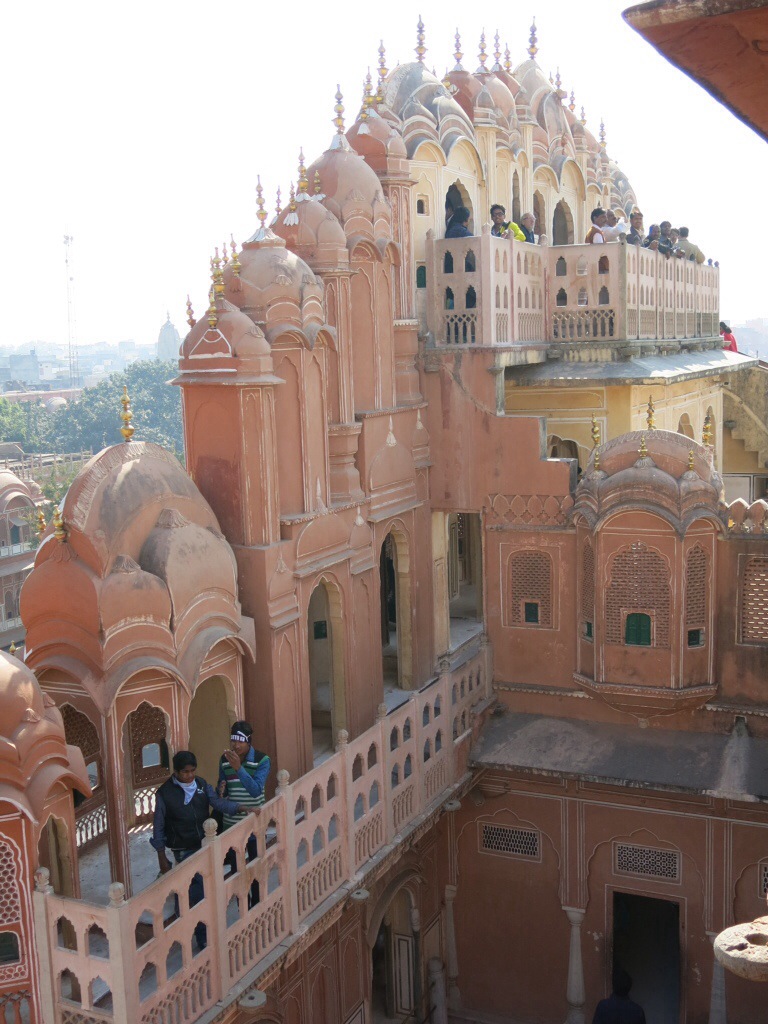
The upper floors of the Hawa Mahal

Artwork at the entrance to the City Palace in Jaipur
From Jaipur, I headed to Pushkar, a small town built around a holy lake. It was great to spend a few days chilling here. It was a nice change of pace, with less touts vying for your business.
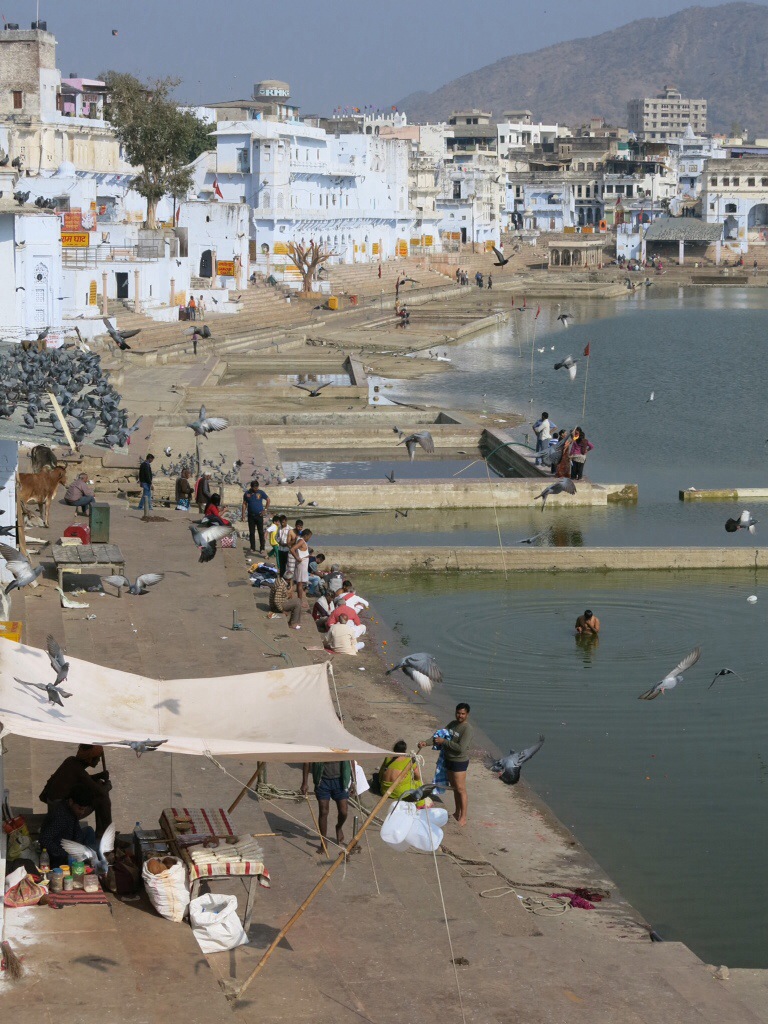
The bathing ghats around the holy lake
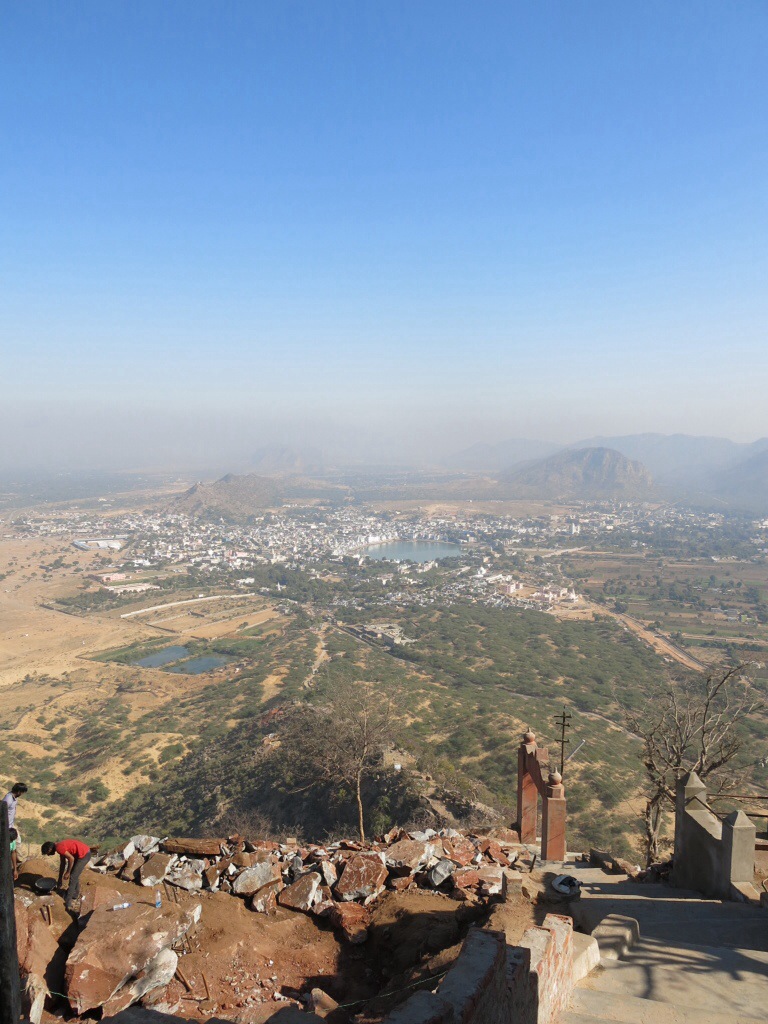
View of Pushkar from a hillside temple. Yes Sharon Mulligan, I walked, and it was the first decent bit of exercise I had done since the Camino!

A religious procession on the streets of Pushkar
Next stop was Udaipur – the Lake City.
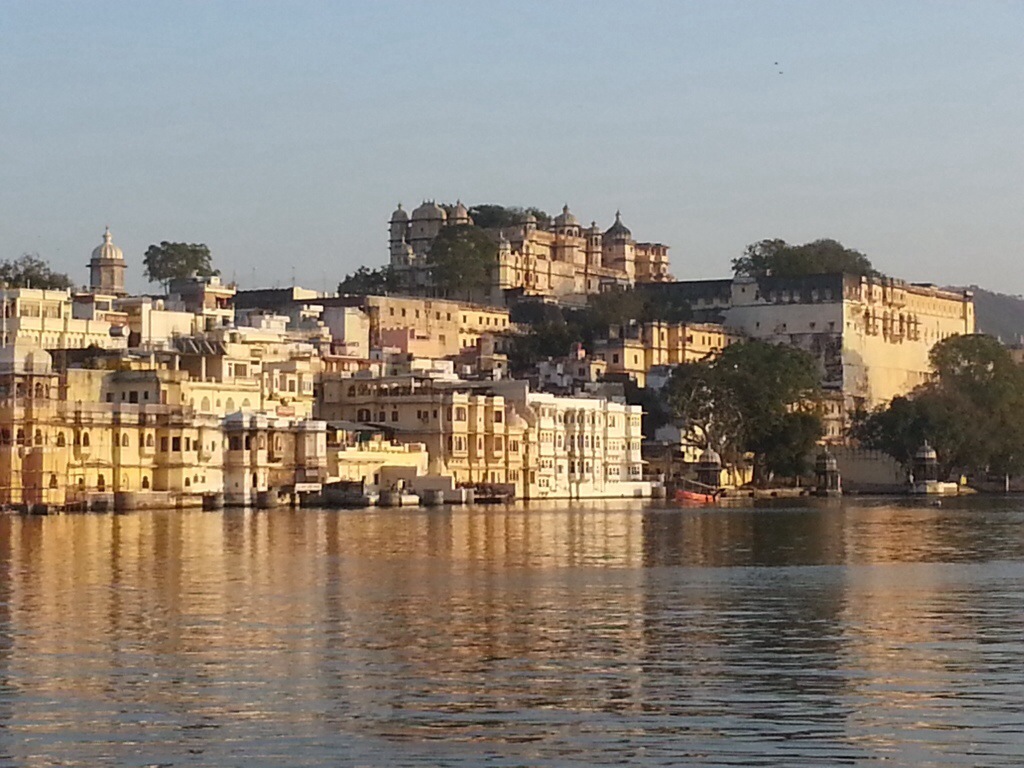
Lake Pichola in Udaipur with the City Palace in the background
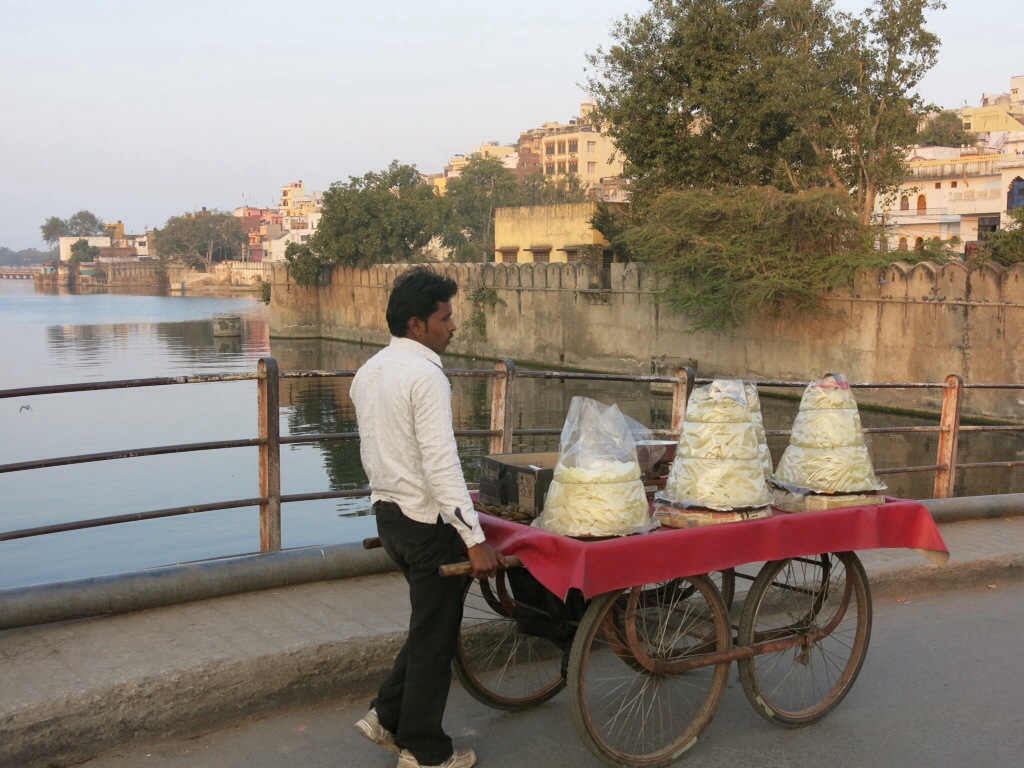
A mobile street stall
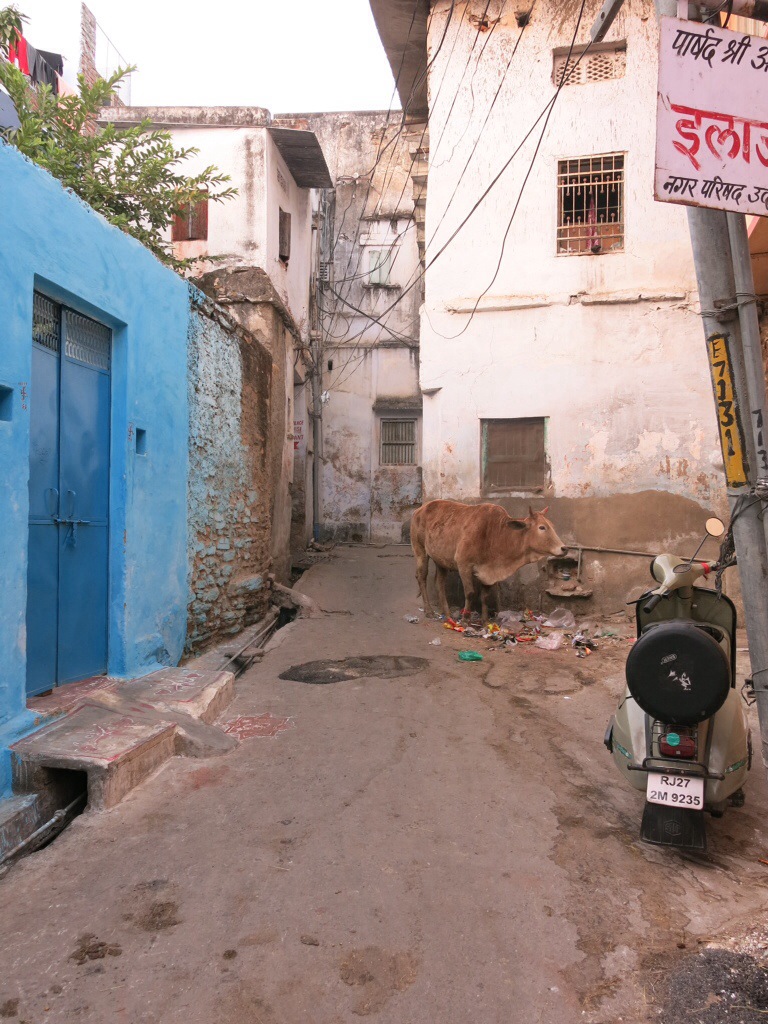
The pathway leading to my hotel. Yep – I am still doing India on the cheap!

The view from my hotel room
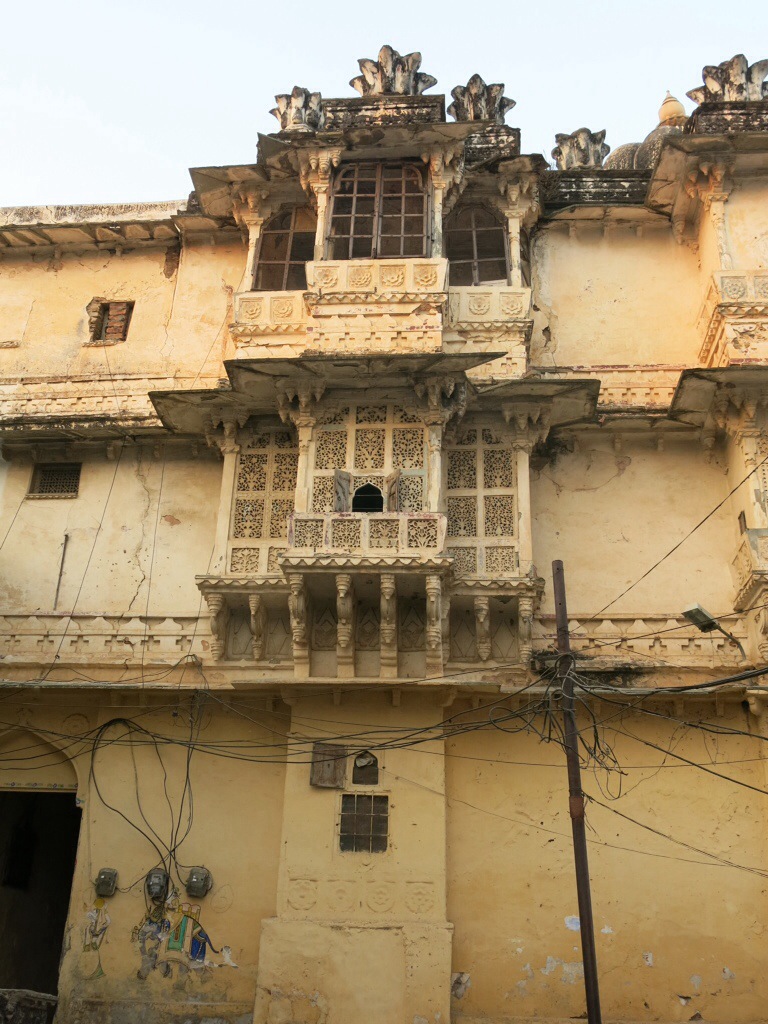
An all too common sight – beautiful architecture that has seen better days

A local fruit and veg market in Udaipur
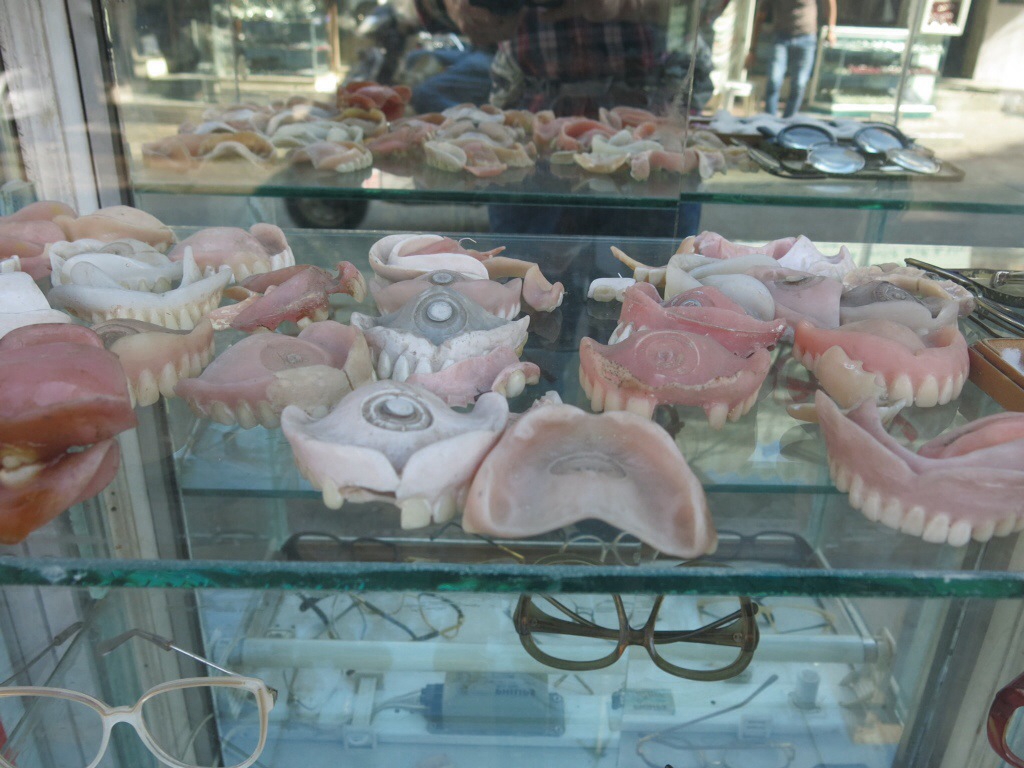
For the man or woman who thought they had everything they needed – a shop selling glasses and second hand dentures

Udaipur from the City Palace
For my last stop on the Rajasthan express, it was off to Jodipur – the Blue City
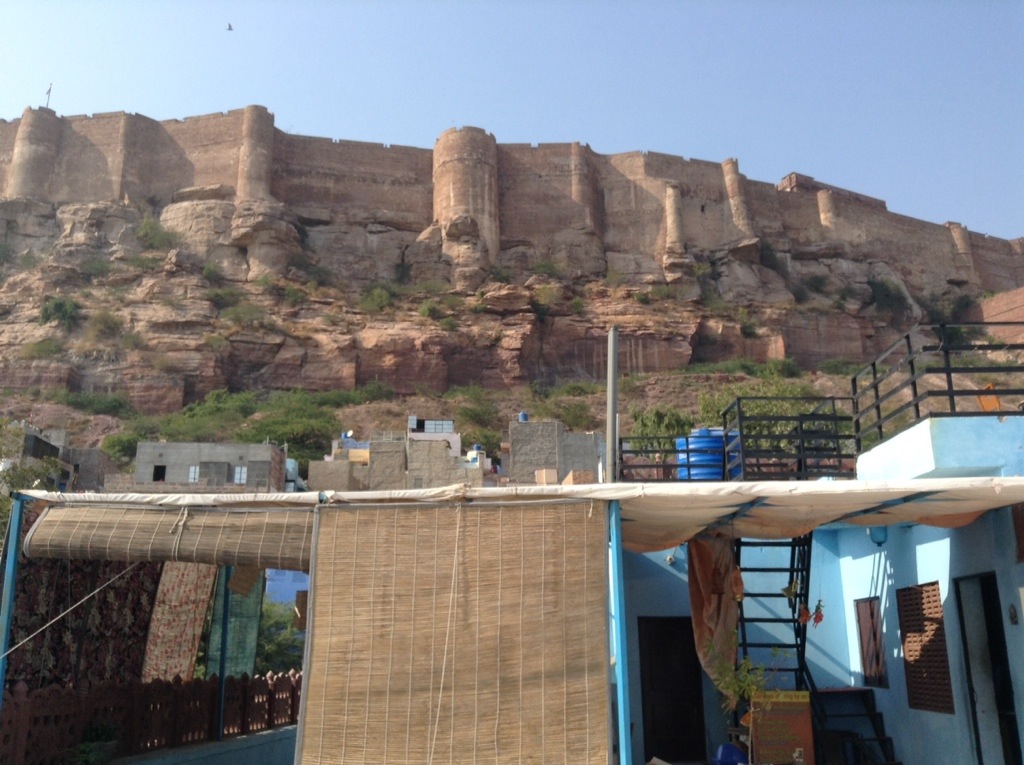
The view from my hotel terrace of the Mehrangarh Fort – the most impressive fort that I have seen in India. Construction began in 1459 but most of it was built during the 17th century.
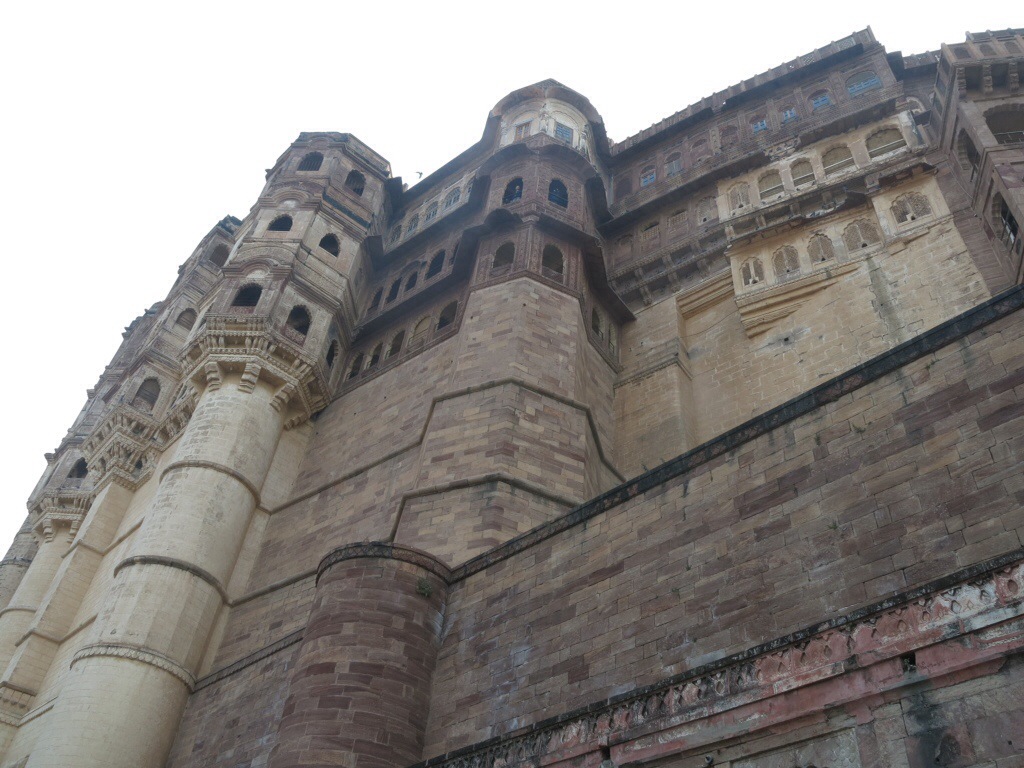
One side of the imposing fort structure

One of the main sets of gates. The metal spikes were to prevent enemy elephants ramming the gates
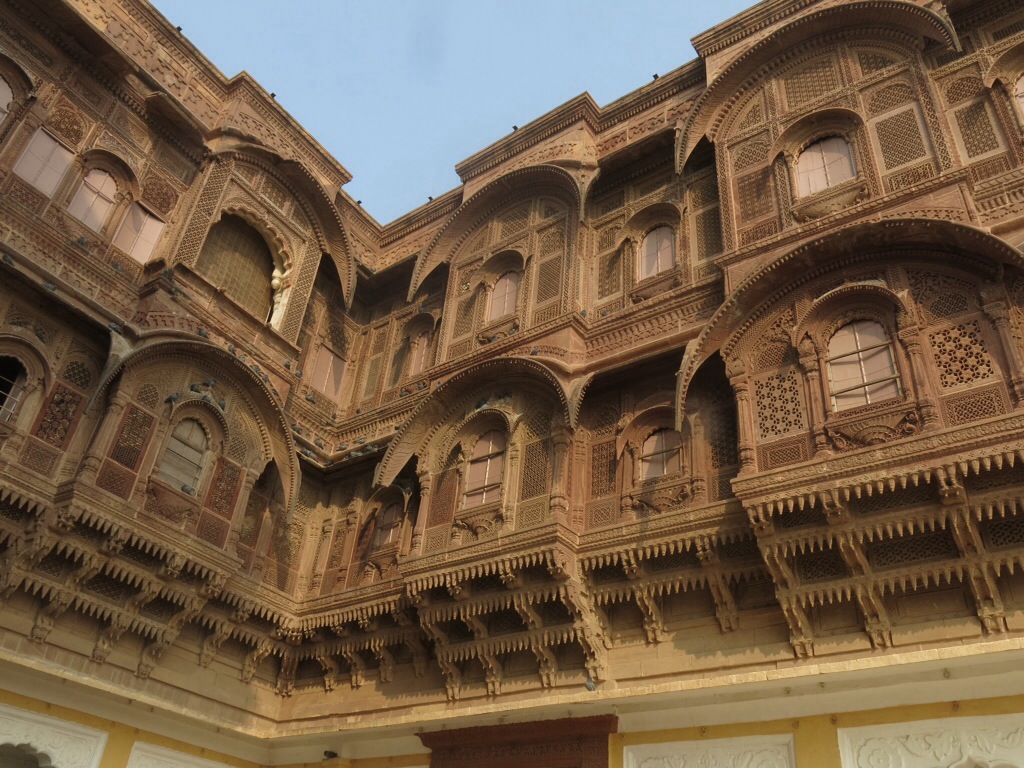
Some of the intricate architecture inside the fort
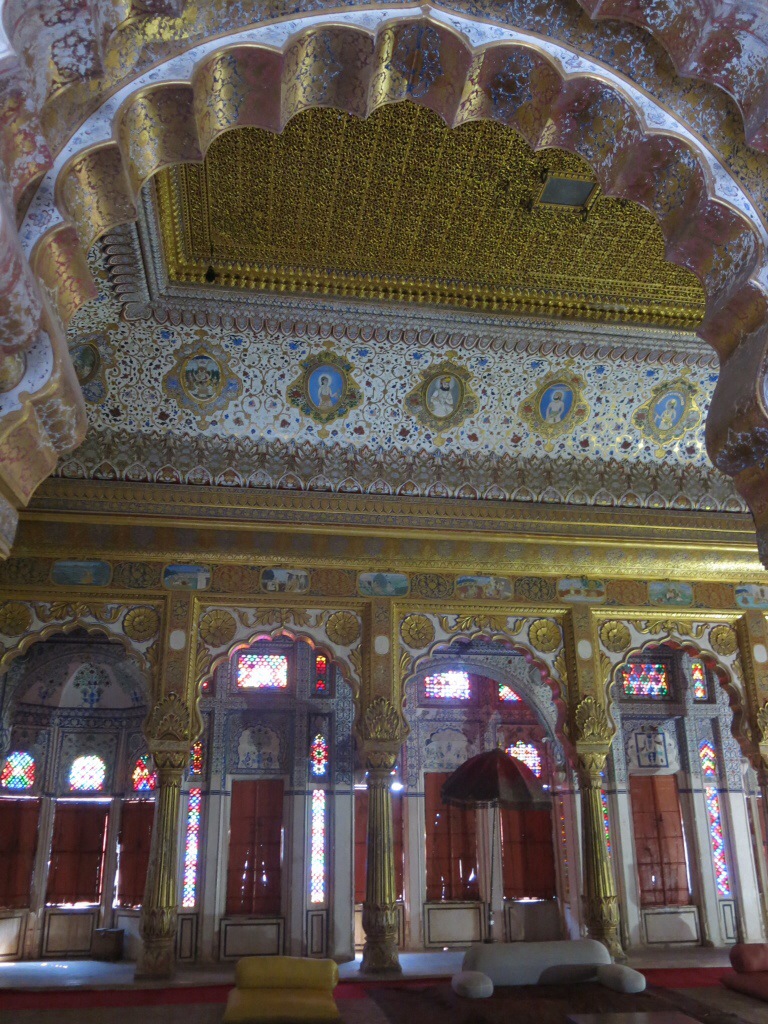
Inside one of the reception rooms
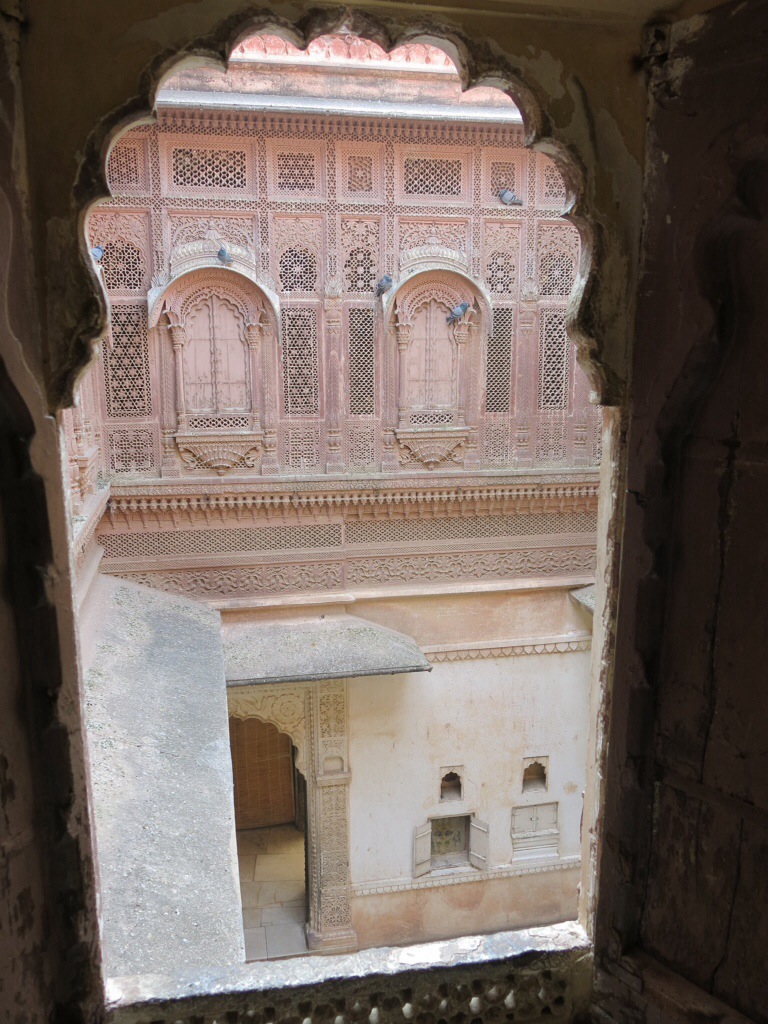
The detailed stone lattice work was to allow the women of the fort to look down to the courtyards. They were forbidden to be seen in most areas, apart from those designated to them.

View of Jodhpur from the fort – it really is blue

Just in case you have forgotten what I look like
India – Delhi and Agra
Well I have been in India just over a week now, after flying in from Thailand on Christmas Day. It’s taken me quite a few years to build up the courage to visit India and so the day of reckoning finally arrived. India was everything I was expecting and more – chaotic, colourful, crazy, contradictory….. quite the sea of humanity. It has been exhausting and testing at times, but also very beautiful and rewarding. In general, the people here are really friendly and generous. Anyway, it’s early days with so many more adventures to come. Here are a few pics of what I have seen so far.

The streets of Delhi, just around the corner from my hotel. Despite the noise, pollution, rubbish and chaos, I really enjoyed Delhi. I guess everything was so new and I was ready to take it all in.
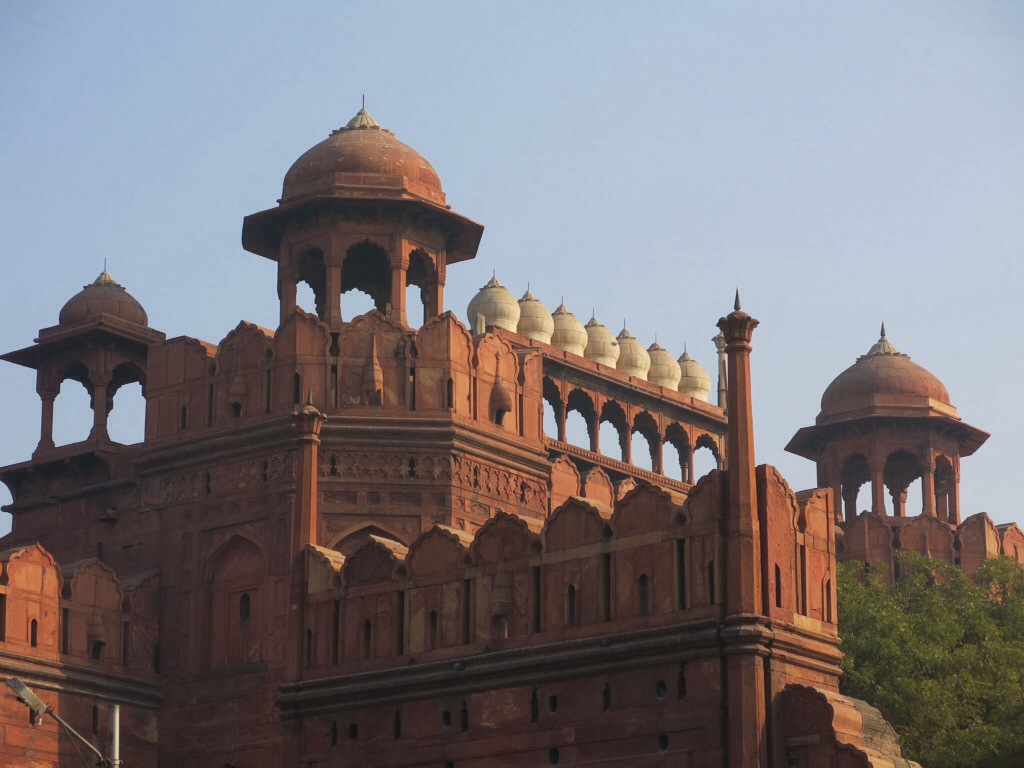
The Red Fort – Delhi

Inside a Sikh temple
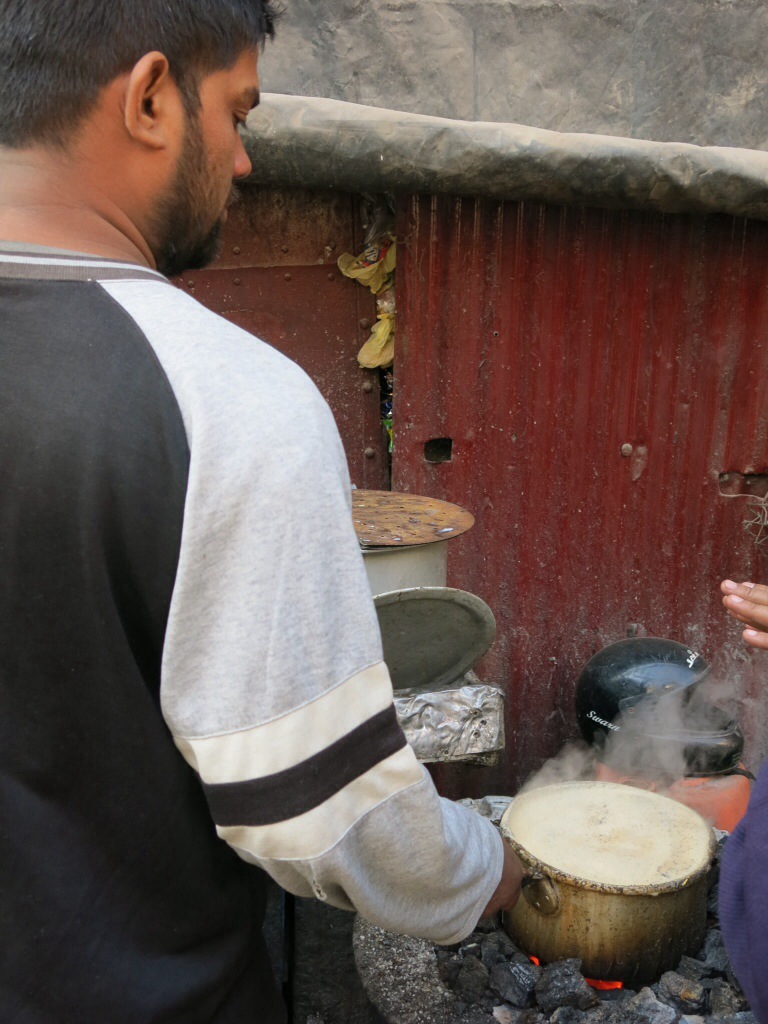
Chai time! Have been really enjoying the local chai, and a great place to stop and have a chat with the locals.

Street stall

Just chillin’ – Delhi style

Delhi colour
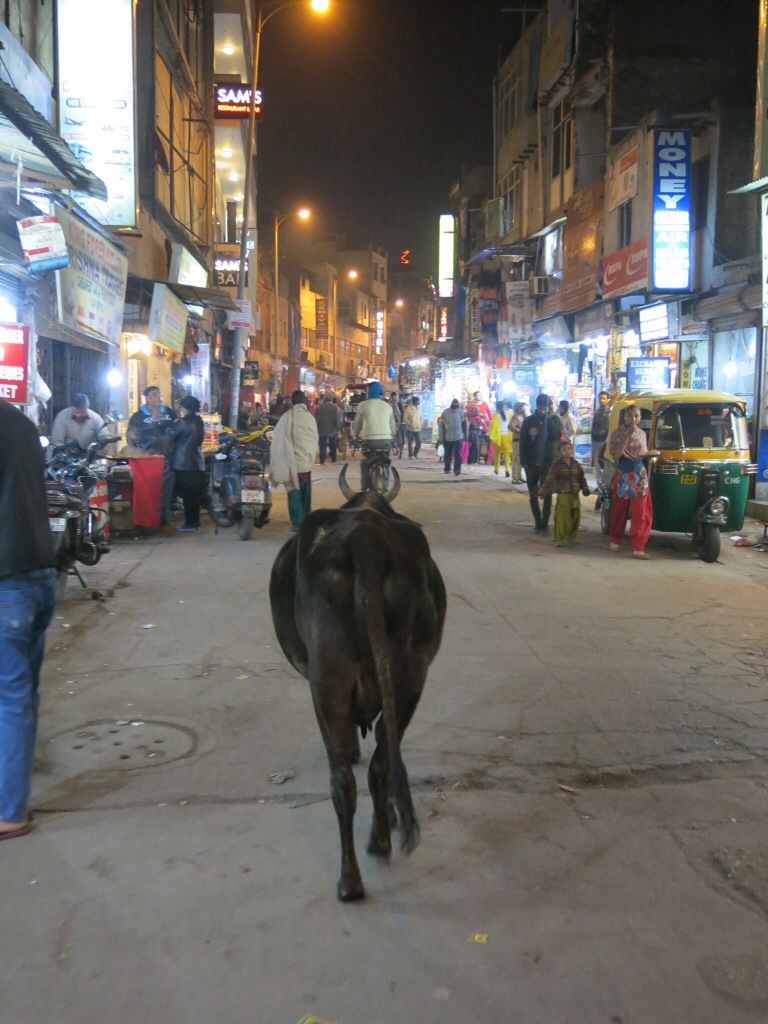
Just one more thing to dodge
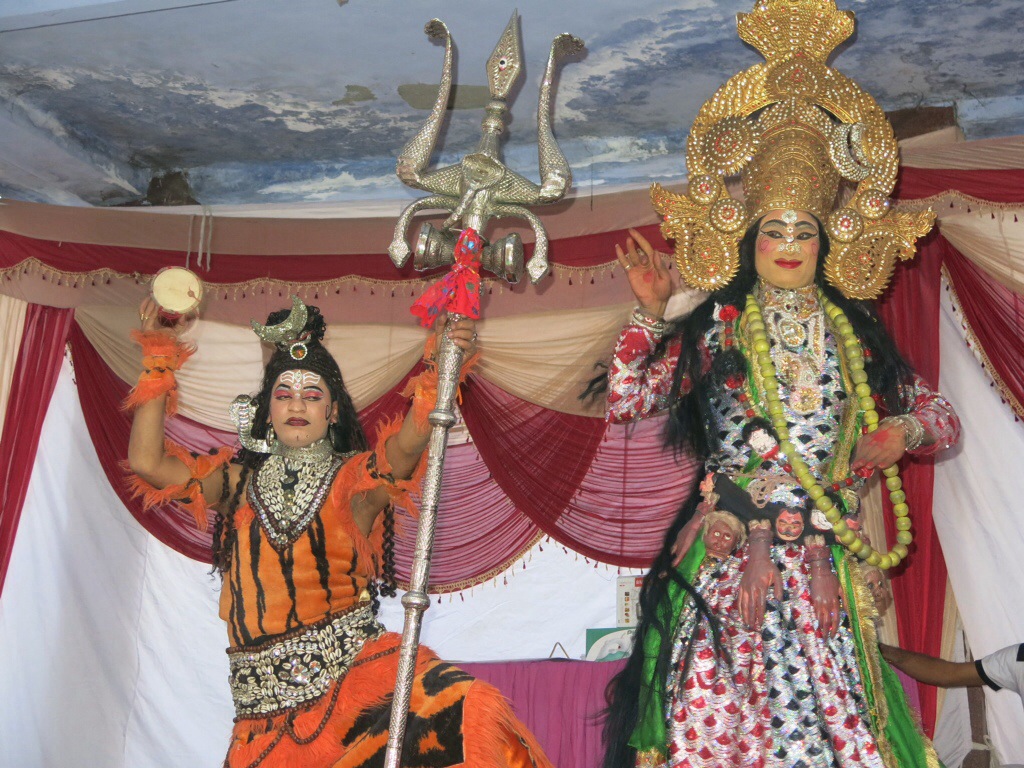
A bit of Indian colour and movement
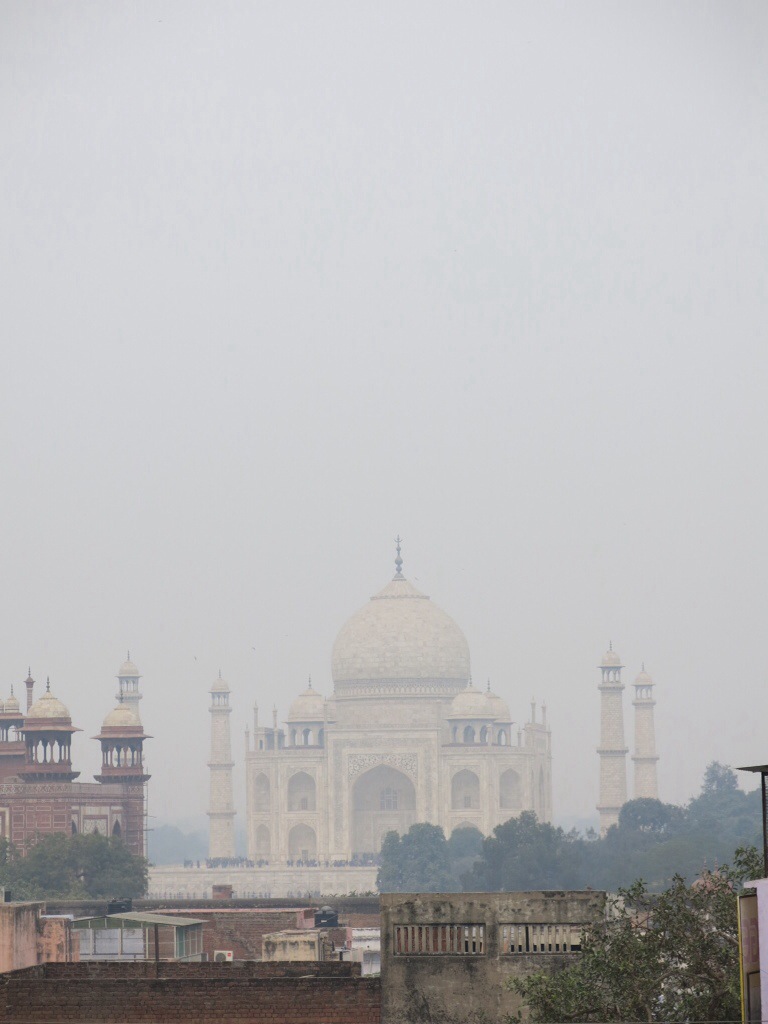
Off to Agra. The view from the rooftop terrace. Unfortunately the weather was misty and overcast for the 3 days that I was in Agra, so not blue sky photos of the Taj. And it was cold – really cold. Had to invest in a winter jacket and thermal pants.
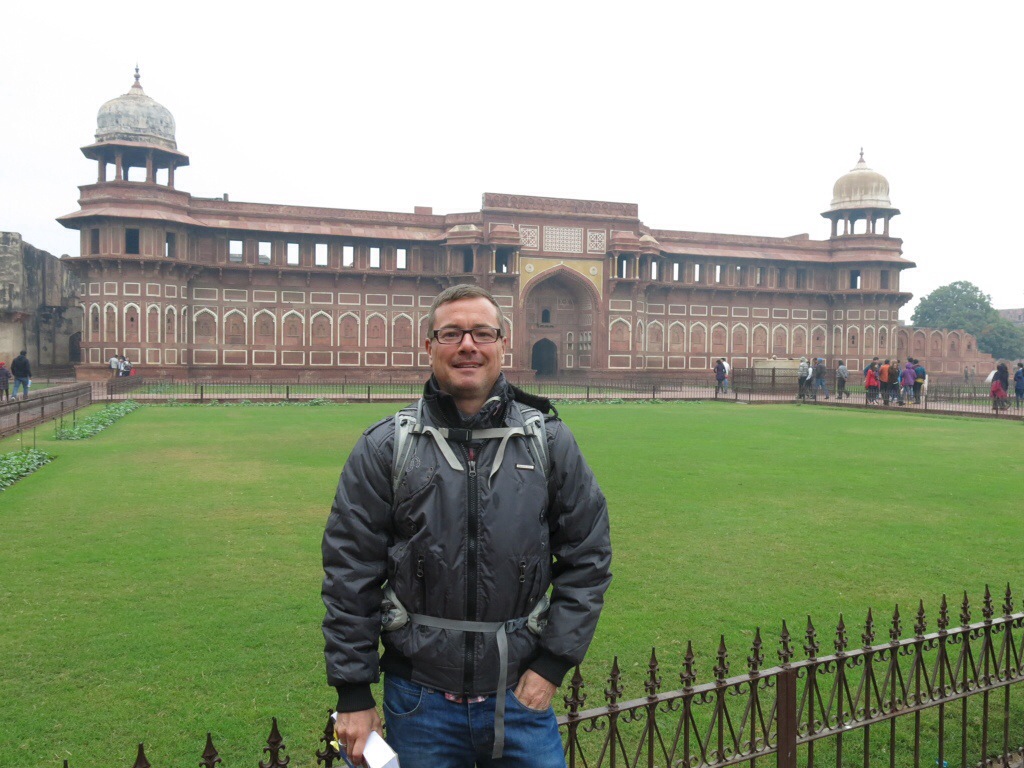
Agra Fort
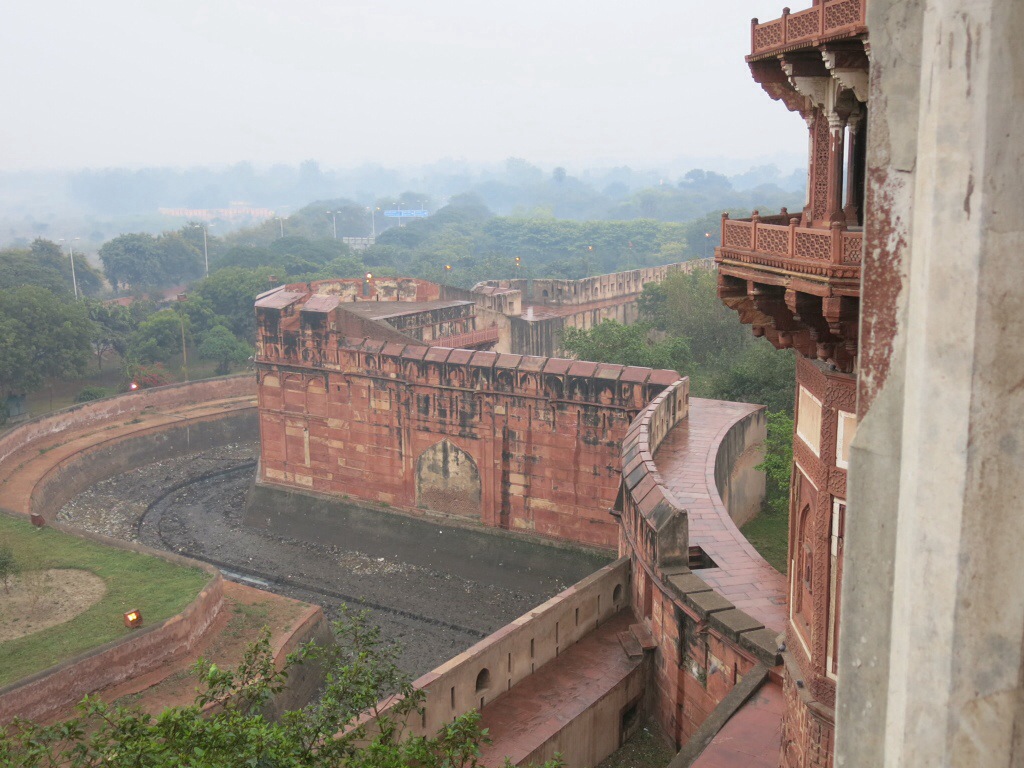
Agra Fort
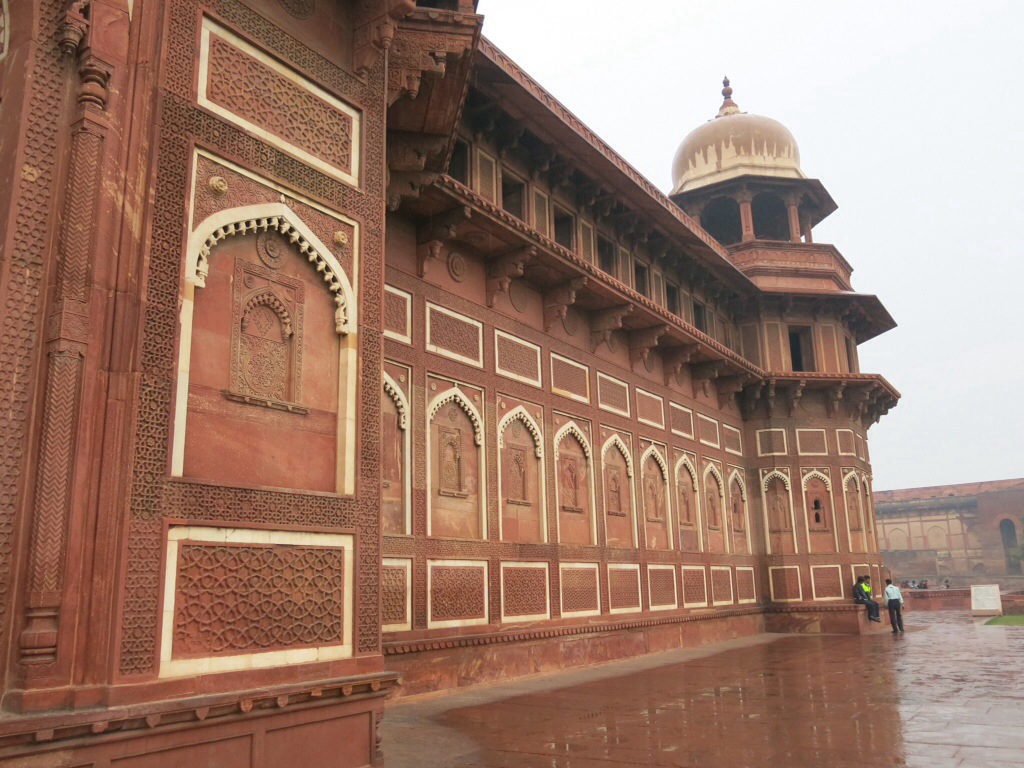
Agra Fort
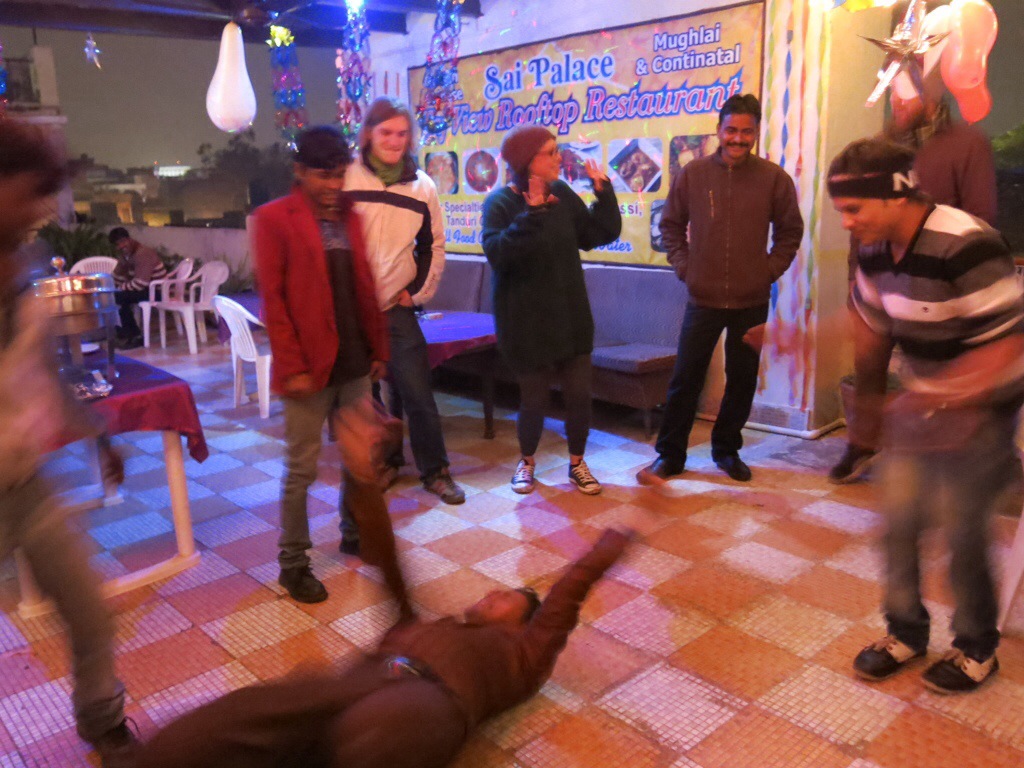
New Years Eve Indian style. Ended up being quite a fun night.
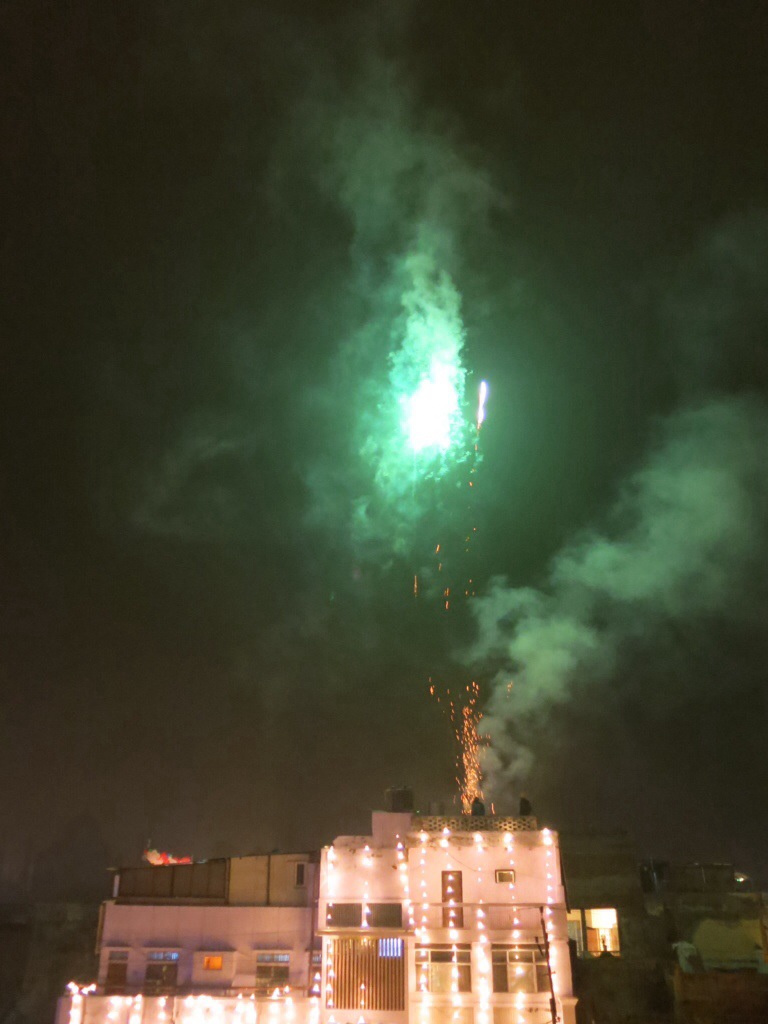
Fireworks from the rooftops for New Year. Thankfully health and safety concerns not yet too much of an issue here. Agra was also my first experience in a $8 a night hotel. Well you do get what you pay for. Despite the power cuts and mould, the room was liveable although the funniest thing was getting wet socks the first time I cleaned my teeth in the bathroom – the outlet pipe ran directly from the bathroom sink onto the floor.
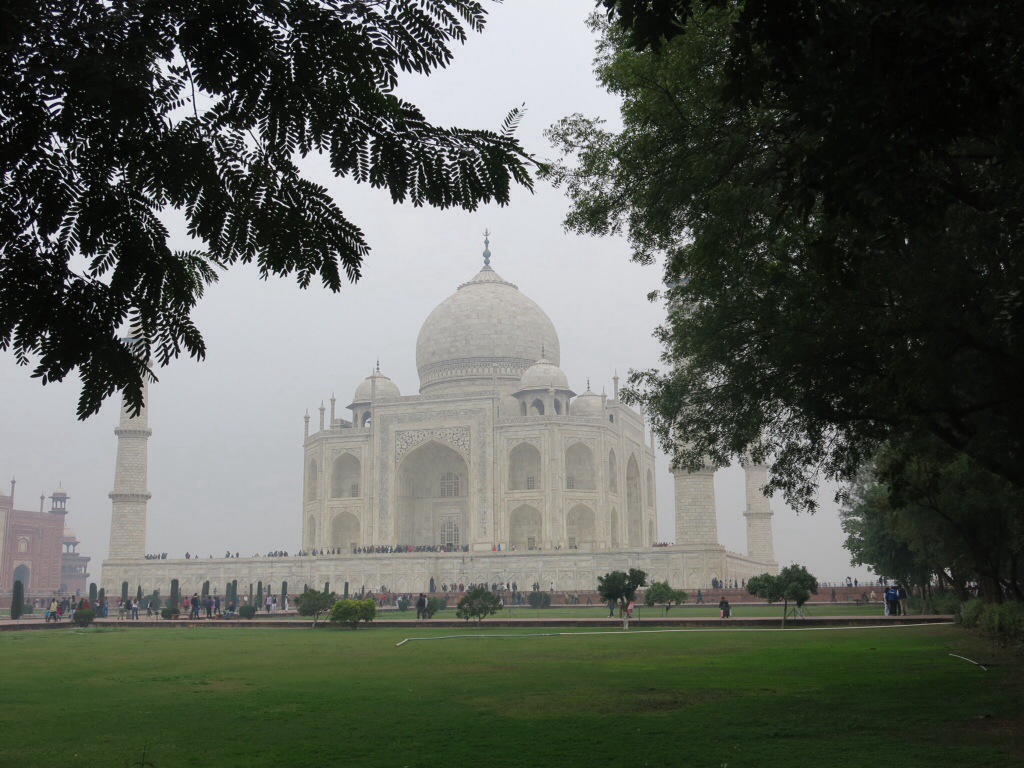
Despite having seen so many photos, the taj is still really impressive up close, especially all the detail in the craftsmanship.
Northern Thailand
Well after spending a few more weeks in London than originally planned, I finally made it to Thailand. I flew to Chiang Mai in northern Thailand after arriving in Bangkok airport earlier in the day. I’m in no rush to make it to Bangkok city, so it can wait for another day.
To be honest it took me a few days to settle into Thailand after London. My main reason to come to Chiang Mai was to get my Indian visa processed. That in itself was a great introduction to Indian bureaucracy, but that’s another story, however I finally picked it up this morning, and fly to New Dehli on Christmas Day. Not sure if it’s going to be good Christmas present or not, but fingers crossed!
Here are a few photos of Chiang Mai.
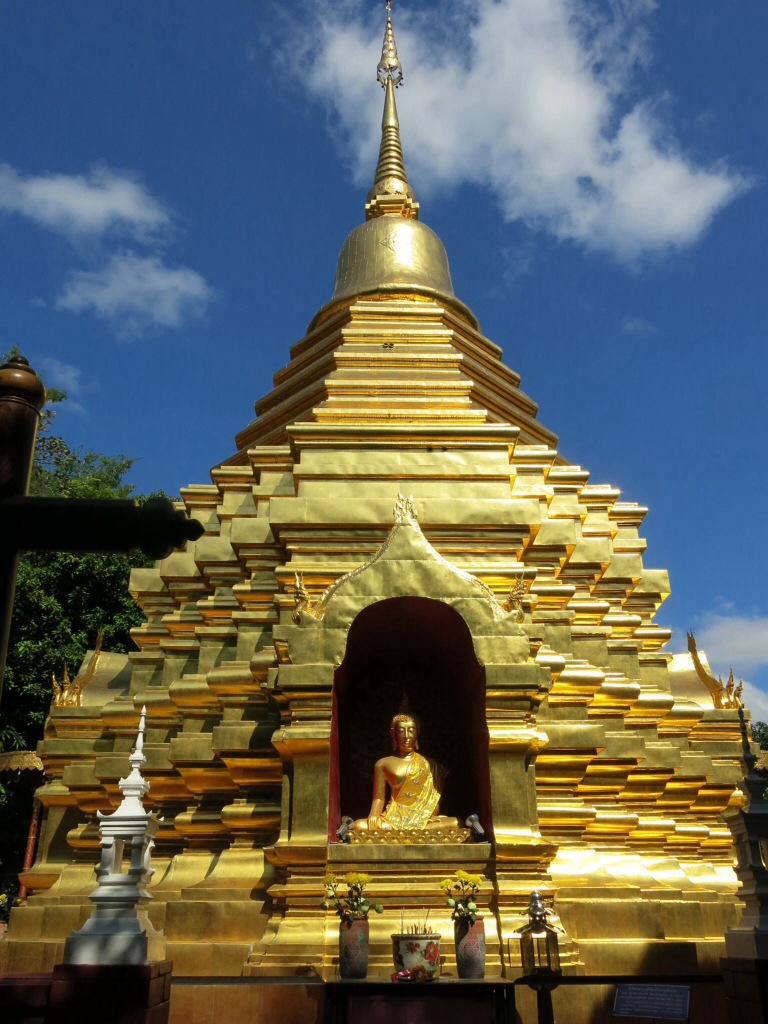
One of the many temples around Chiang Mai
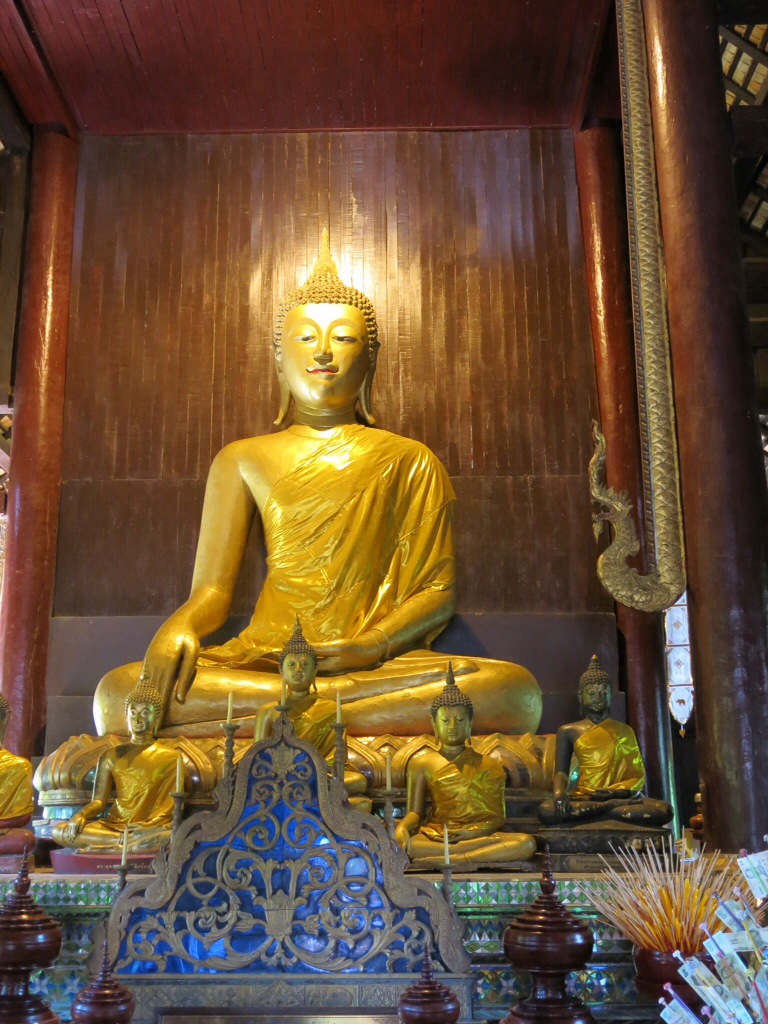
Inside one of the temples
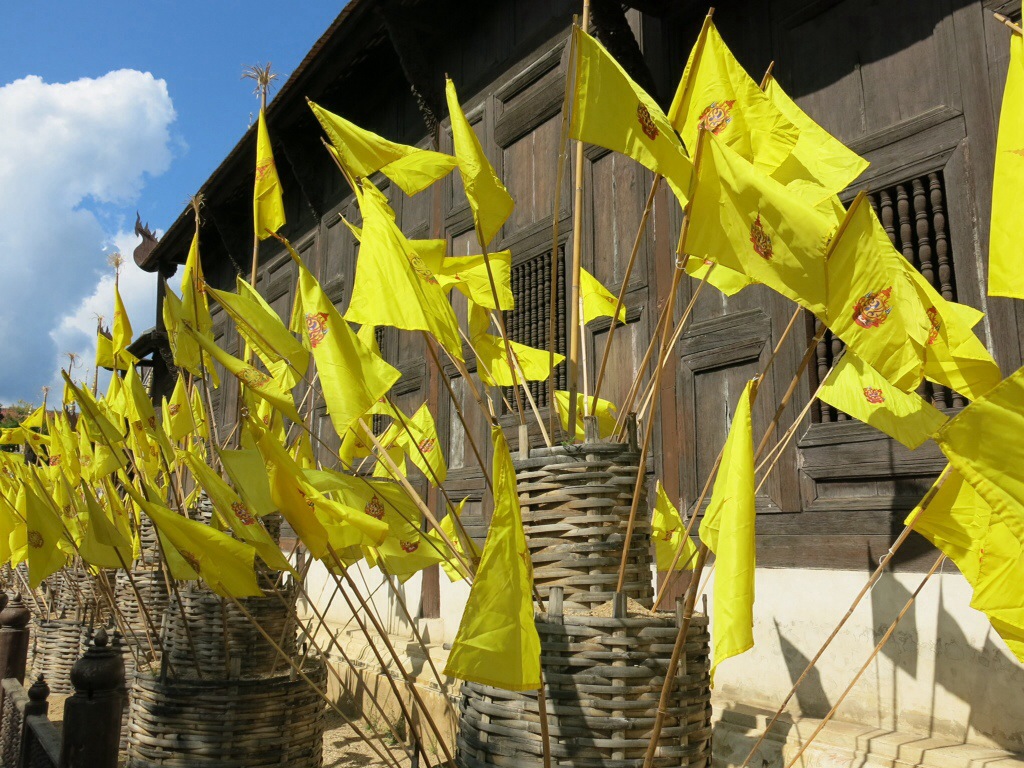
Outside one of the temples

Student monks
To be honest, Chiang Rai was a lot busier than I had expected. I took a bus a few hours further north to Chiang Rai – this is more laid back and more what I thought Chiang Mai would be like. I settled in quite well for a few days and was made to feel like part of the family at the guesthouse where I was staying. Despite little english, I often ate lunch or dinner with them, sharing the family meal. It was also my first introduction to a lady-boy “Kate” who was part of the family.
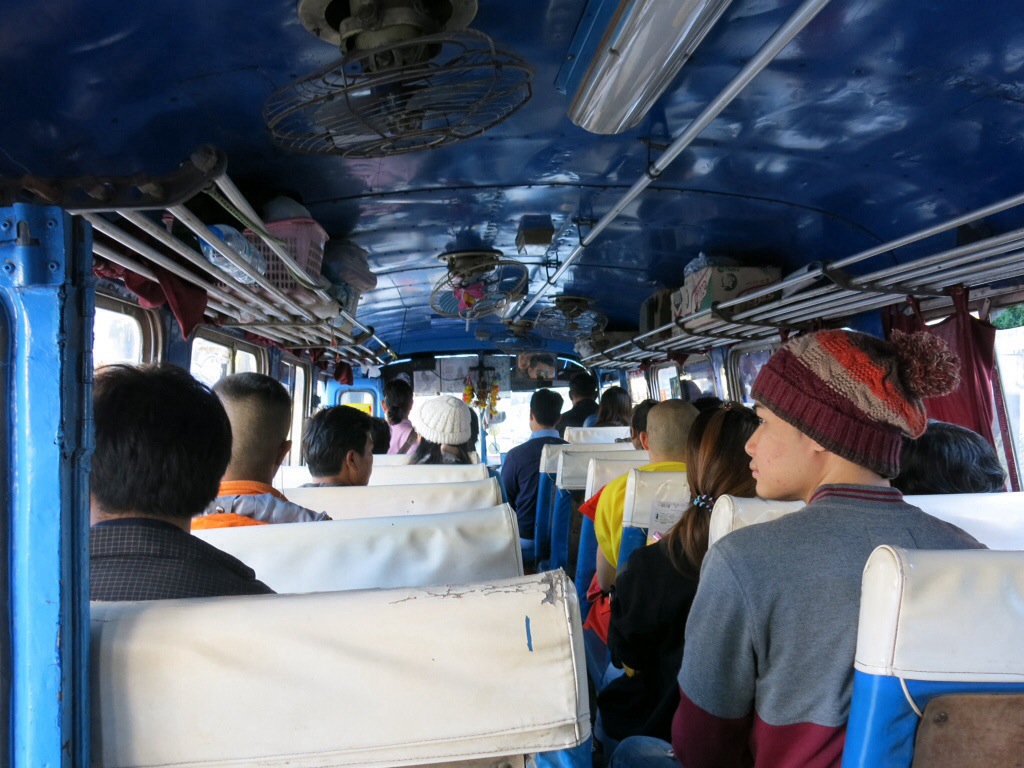
Catching a local bus. I sat next to a very friendly and well fed monk. The back door of the bus was permanently kept open with an octopus strap.
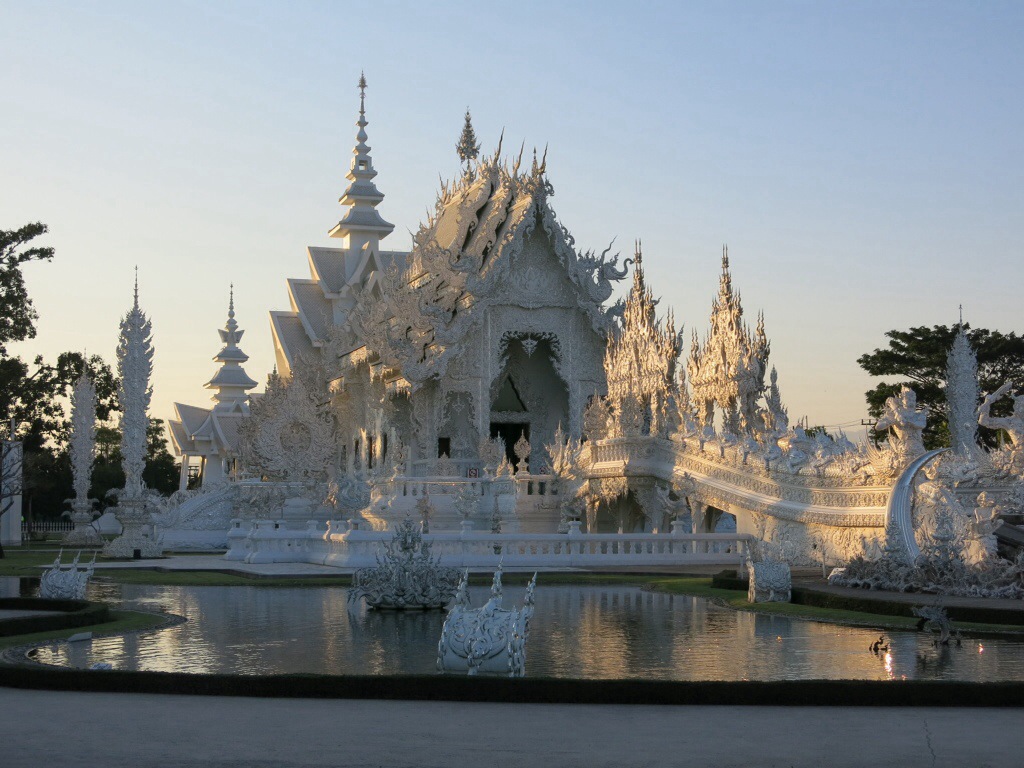
Wat Rong Khun (or the White Temple). This unusual temple was only built by a local artist in 1997 and is still being added to. It’s quite impressive, if somewhat unusual. You pass over a bridge with images of hell underneath. Inside, the paintings refer to modern events and characters. Some of the ones that I spotted was spiderman, Harry Potter, Neo from the Matrix, as well as the 9/11 twin towers. Unfortunately no photos are allowed inside the temple.

Walking over the hands of hell before you enter the temple.
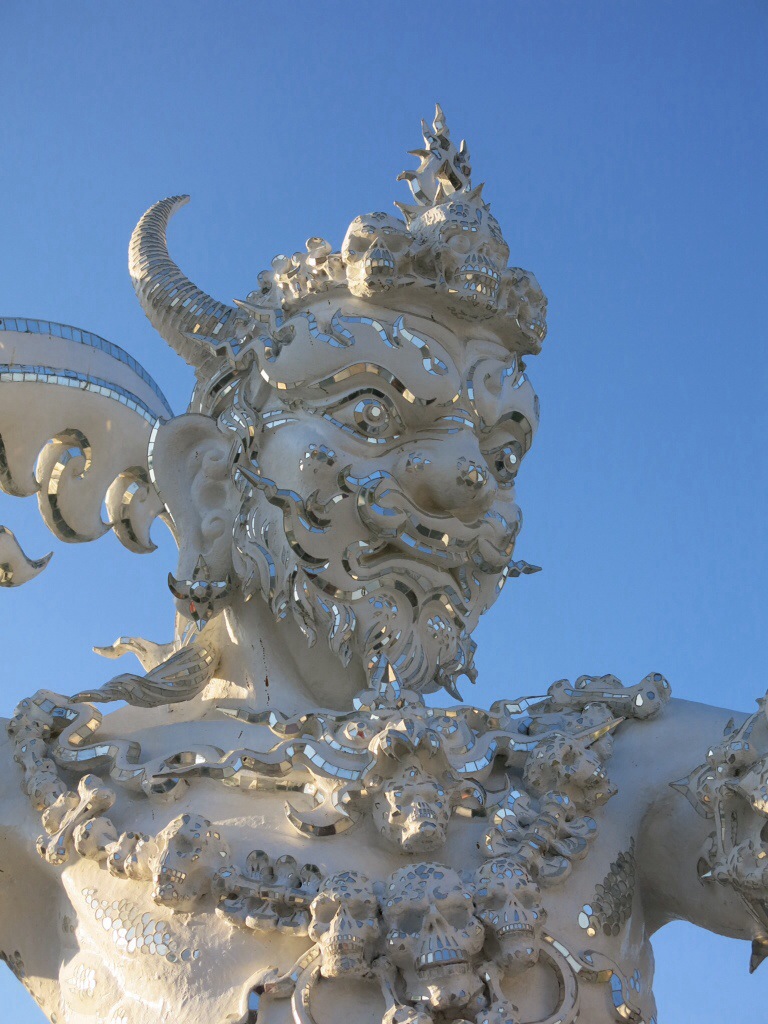
Towards the entrance of the temple.
I hired a motorbike and rode a round trip of about 150kms up to the Golden Triangle on the Myanmar border. For anyone that knows my sense of direction, I was somewhat apprehensive about getting lost, but in the end all was OK. Mind you, it was very cold, even for this time of year, and even with four layers of clothing on.

A tea plantation I stopped at during the ride.

Market stalls in Chiang Rai

The annual flower parade.
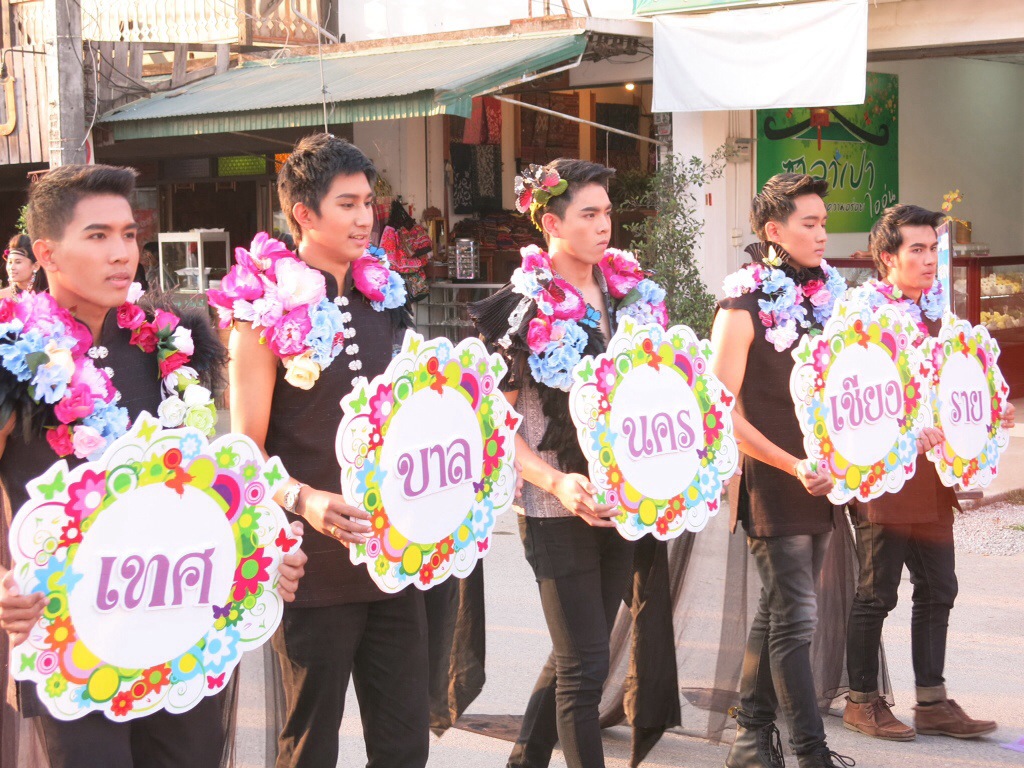
At times the parade seemed more like Mardi Gras that a flower festival
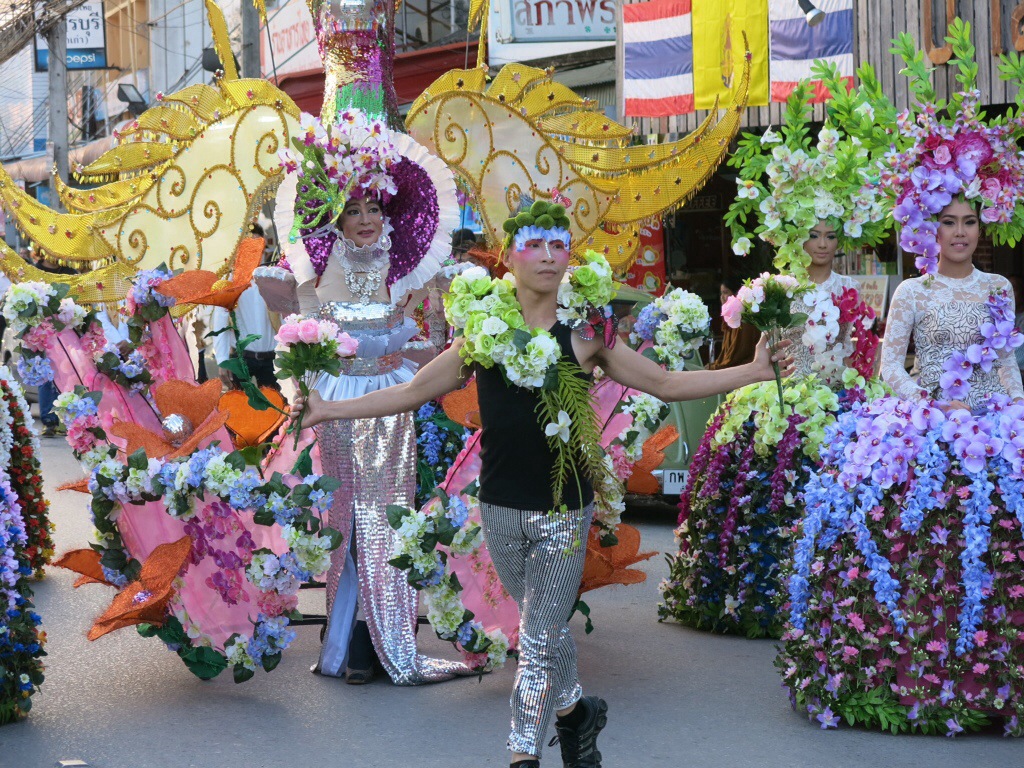
More colour and costumes
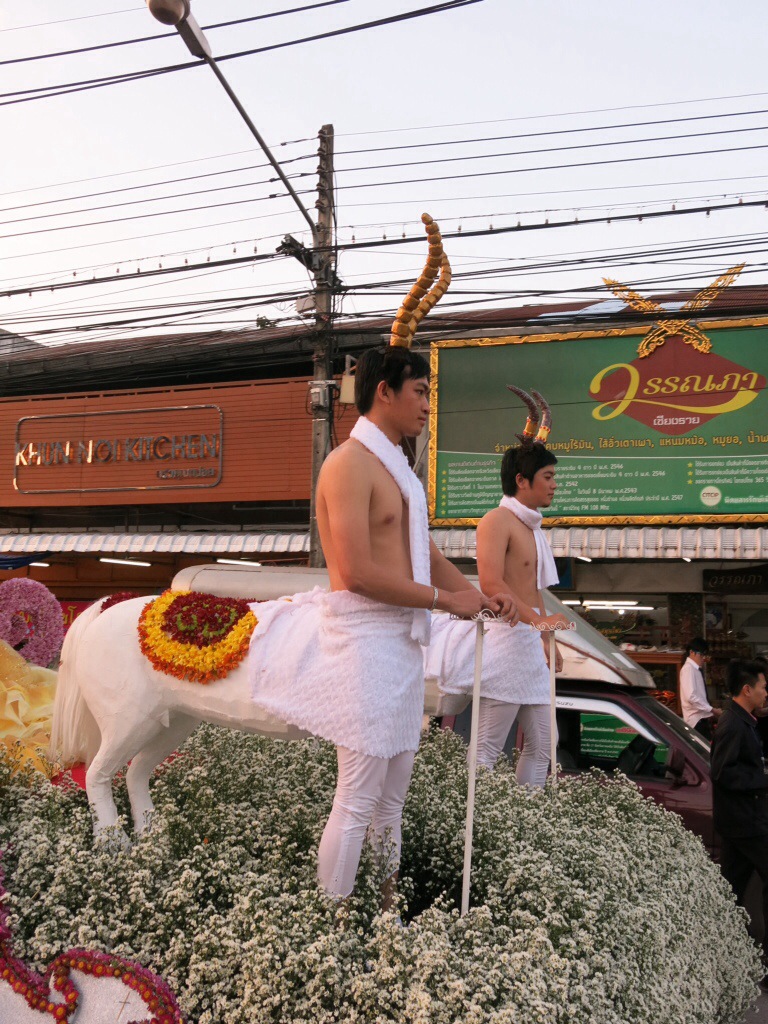
The centaurs
Back in Chiang Mai, I spent a great day on an elephant safari. I got to ride an elephant bareback which was a little more difficult than what I expected, especially going downhill. After the ride, we scrubbed the elephants in the river and I even got to stand up on the back of one. A really good day.
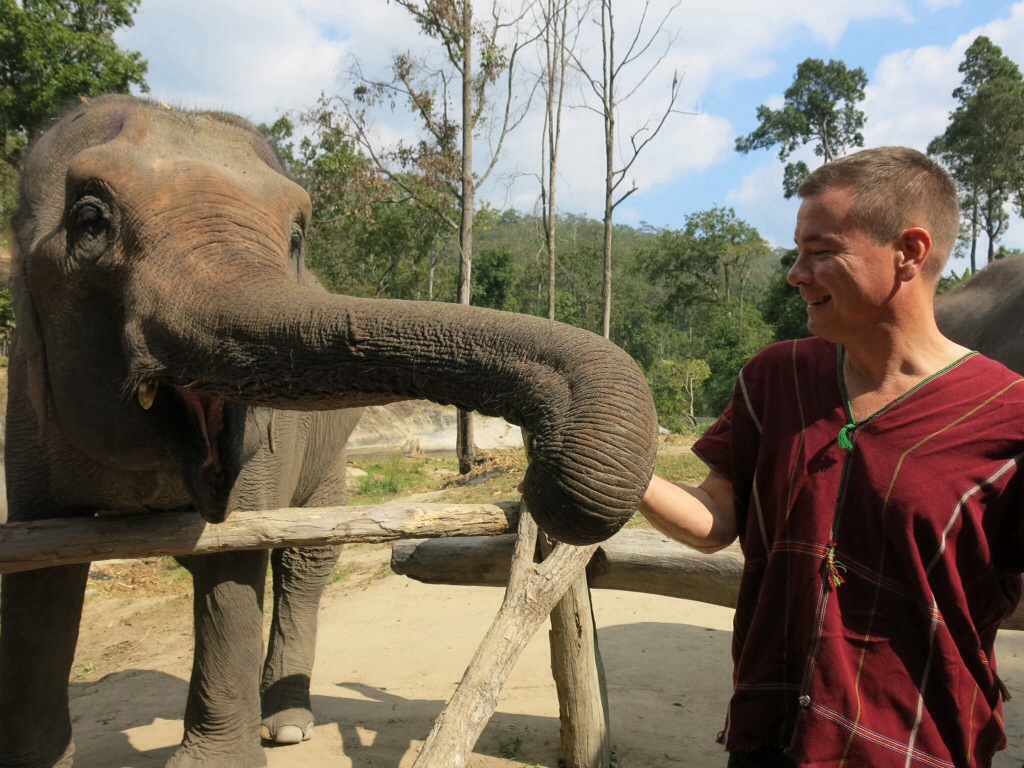
Feeding the elephant
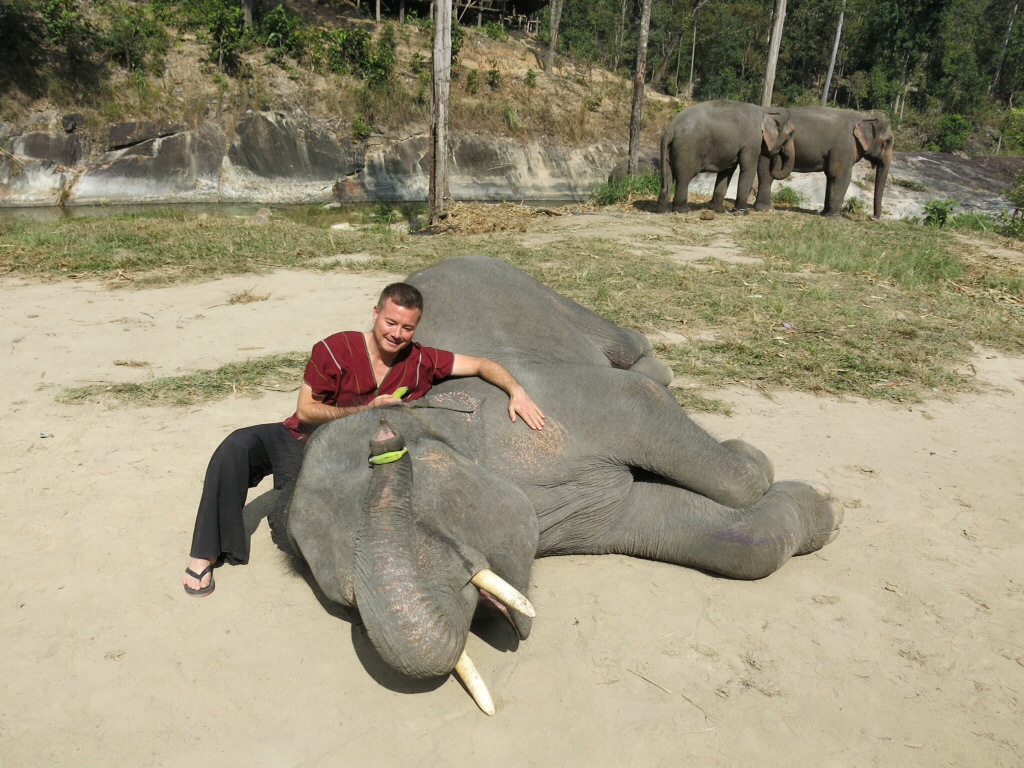
Getting up close

Morocco – Fez to Marrakech via the Sahara
Here are a few more photos from my trip to Morocco
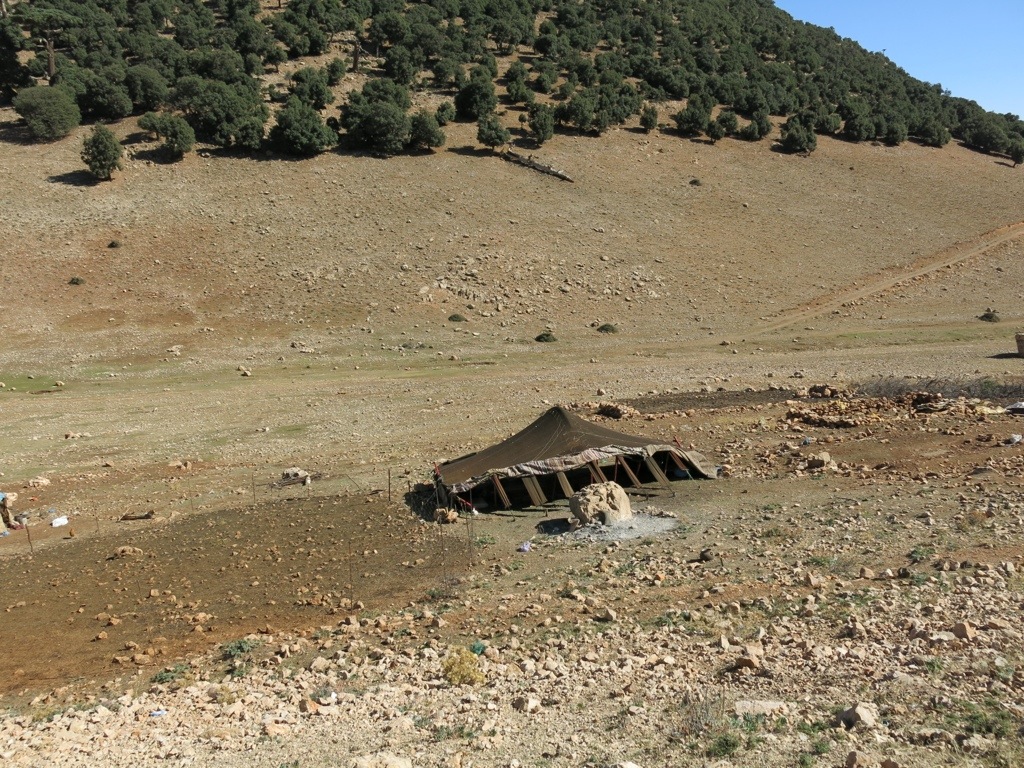
A nomadic campsite in the Atlas Mountains. The family will soon be heading down to the lower valleys for the winter

Inside the main living tent

Moroccan whiskey (mint tea) for the guests

In the Atlas Mountains

A Berber village
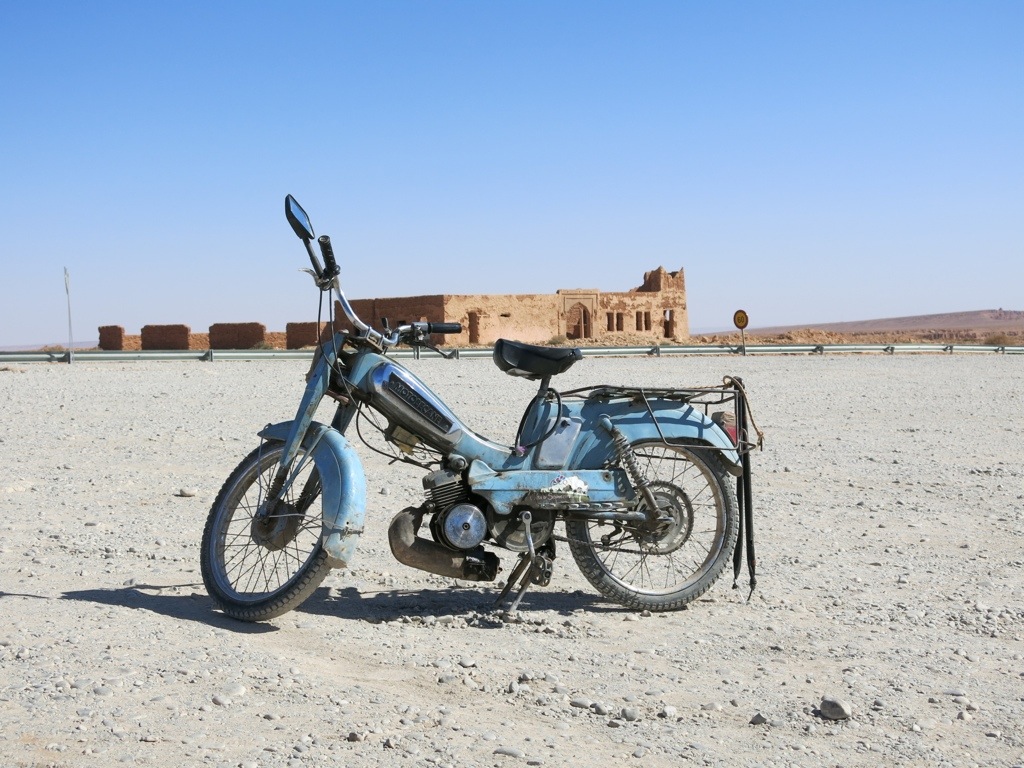
Local transport
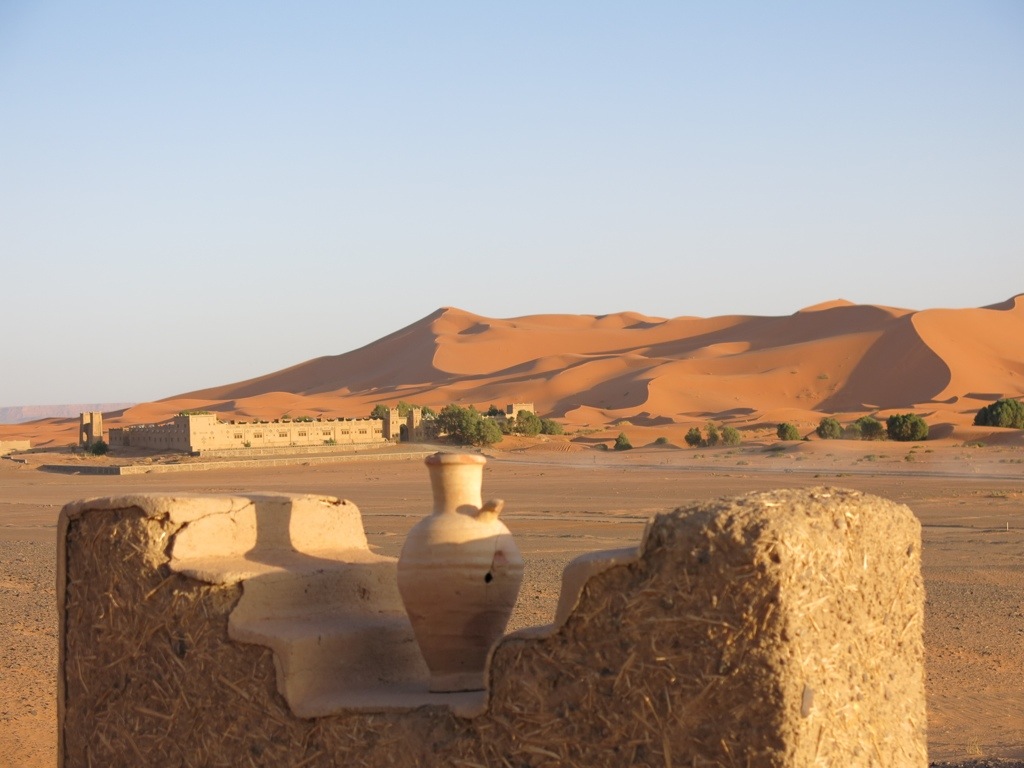
On the edge of the Sahara desert

Me with my camel – I nicknamed him ‘Aqmed’

The sunset ride

The camel train

The camel train
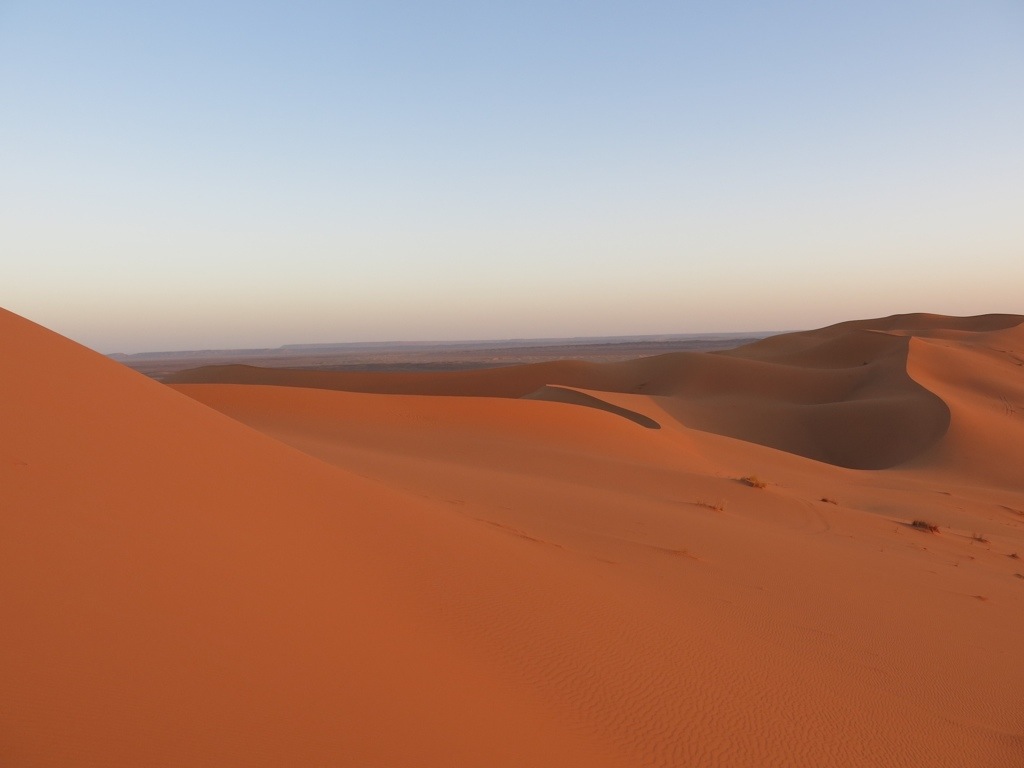
Sunrise in the Sahara

Sunrise in the Sahara

Sunrise in the Sahara
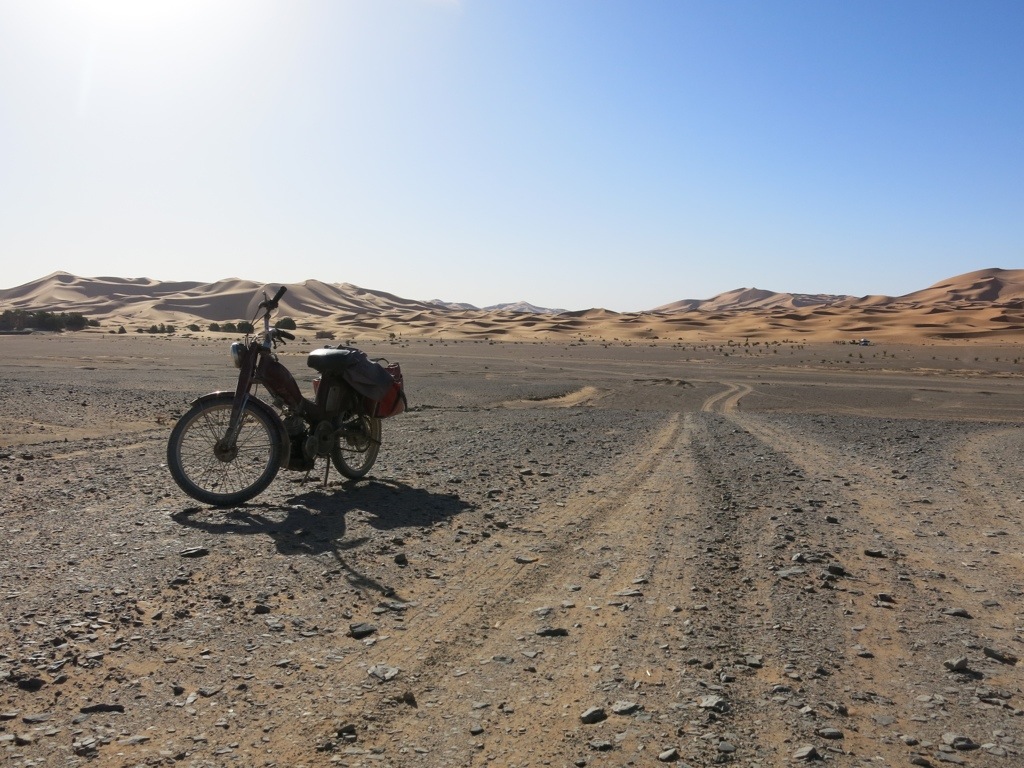
The road less travelled

Making the most of any fertile land

Todra Gorge. Another nomadic family living in the barren hills.

A distant view of the family’s home. They stay here all year and live in very small caves over the winter months. They have donkeys and goats and it is a 2 hour return journey down the mountain to collect the water for the family and animals.
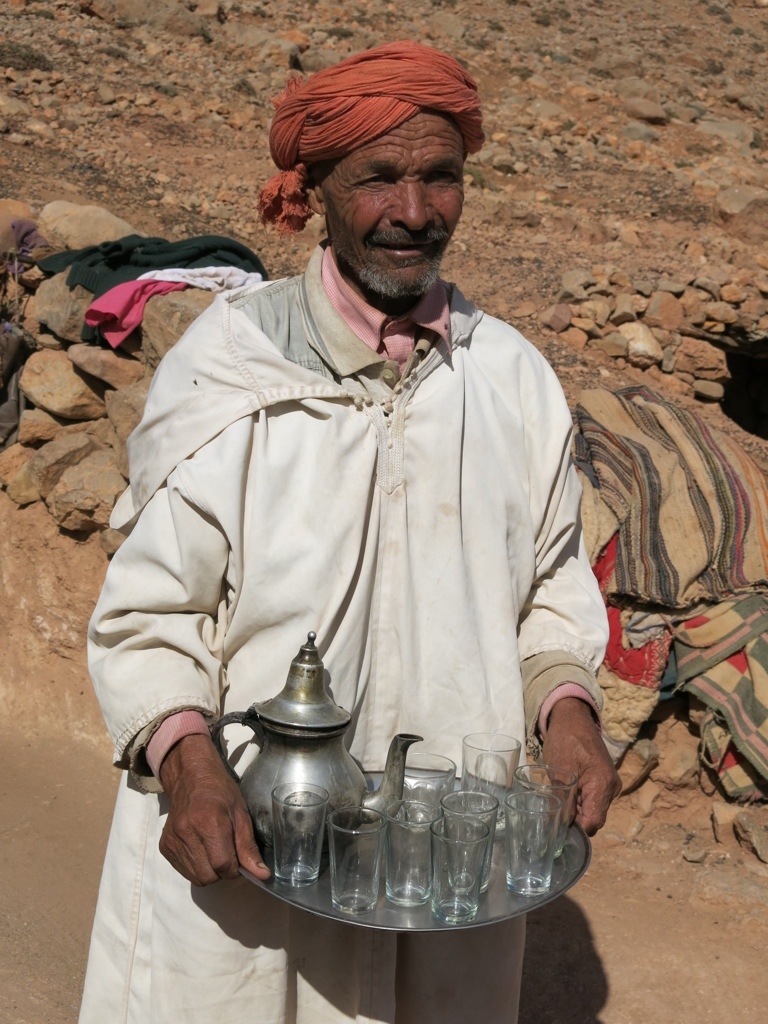
Grandad preparing mint tea for us

A gentle moment between grandad and grand daughter

A town in the hills near Todra Gorge
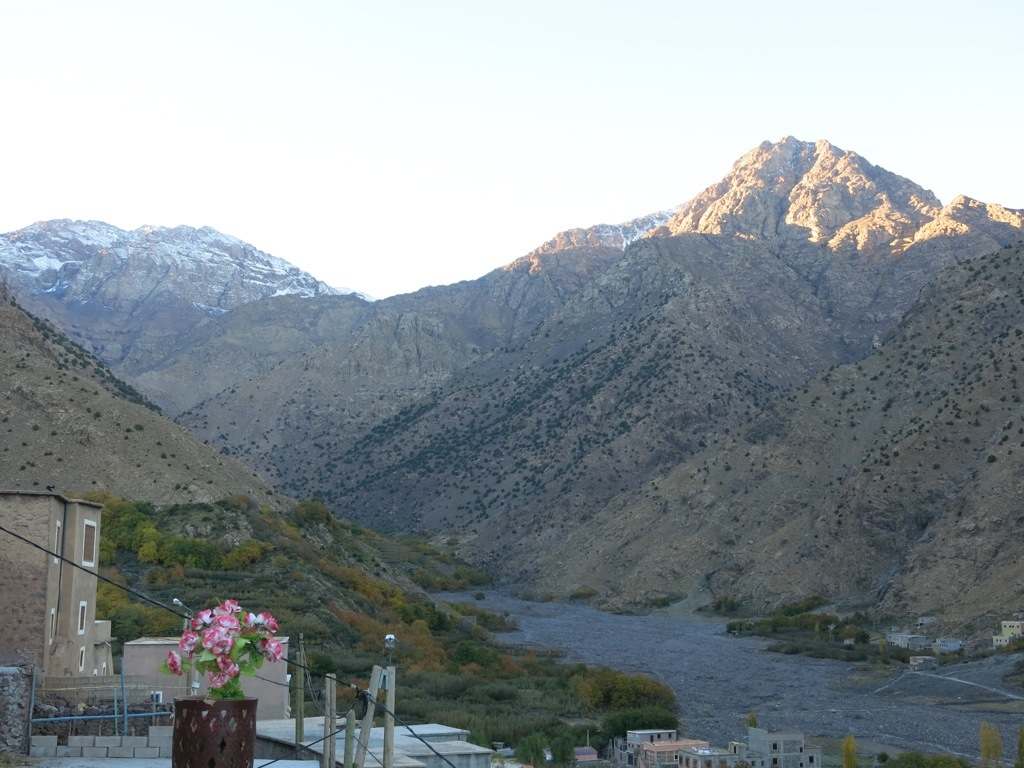
Snow capped view from our accommodation high in the Atlas Mountains. From here it was a 2 hour taxi ride through windy roads to get to the hospital when I was sick.
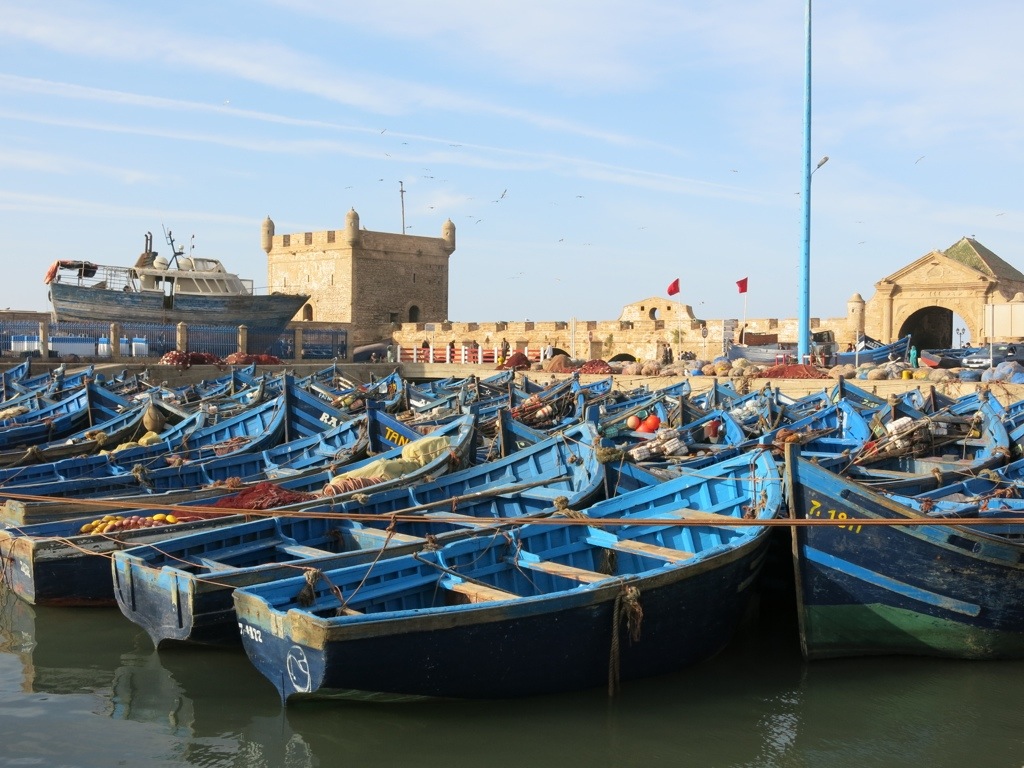
The port city of Essaouira

The port city of Essaouira

The port city of Essaouira

The port city of Essaouira

The port city of Essaouira
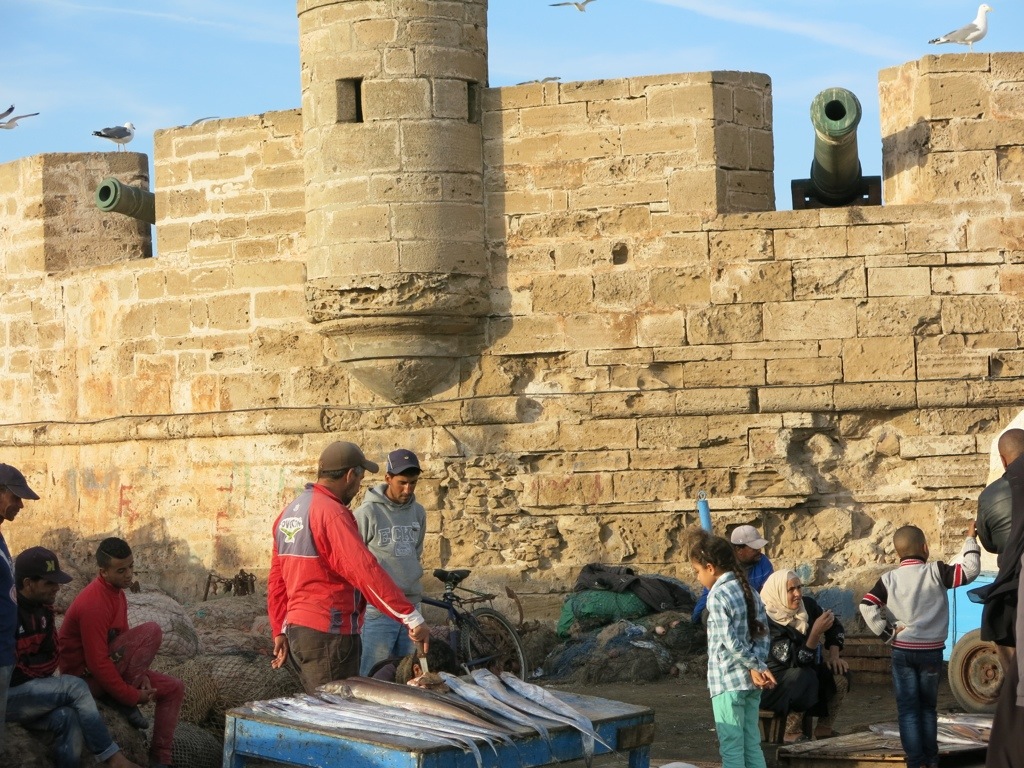
The port city of Essaouira
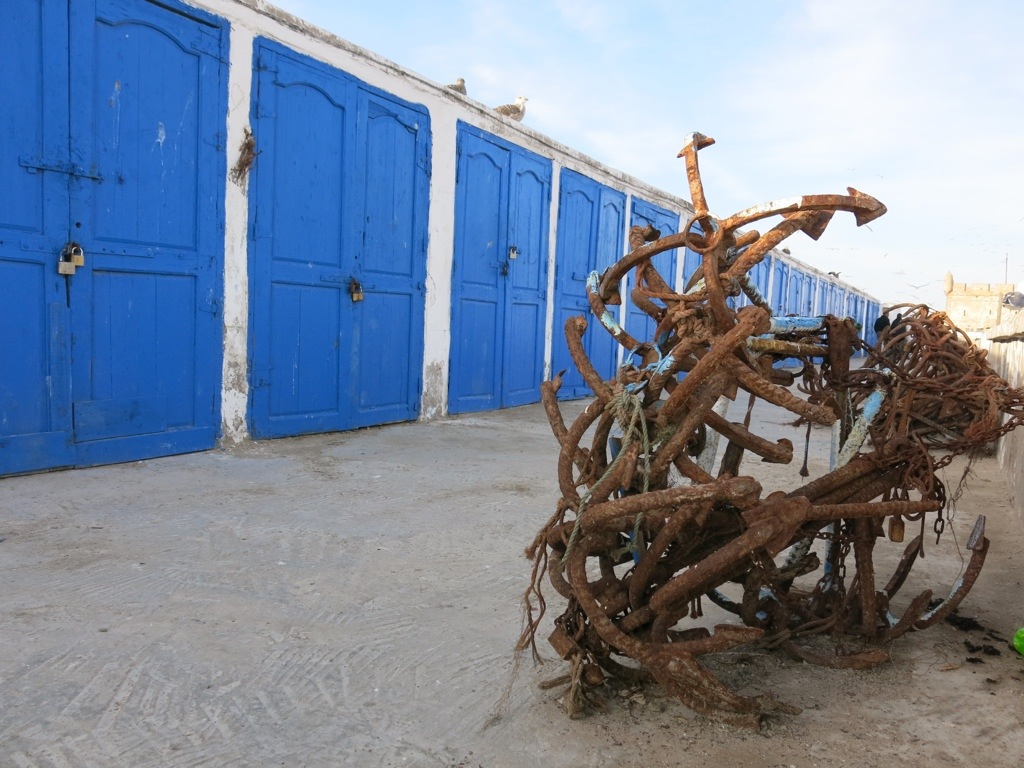
The port city of Essaouira

Fresh catch of the day

Local rug shops
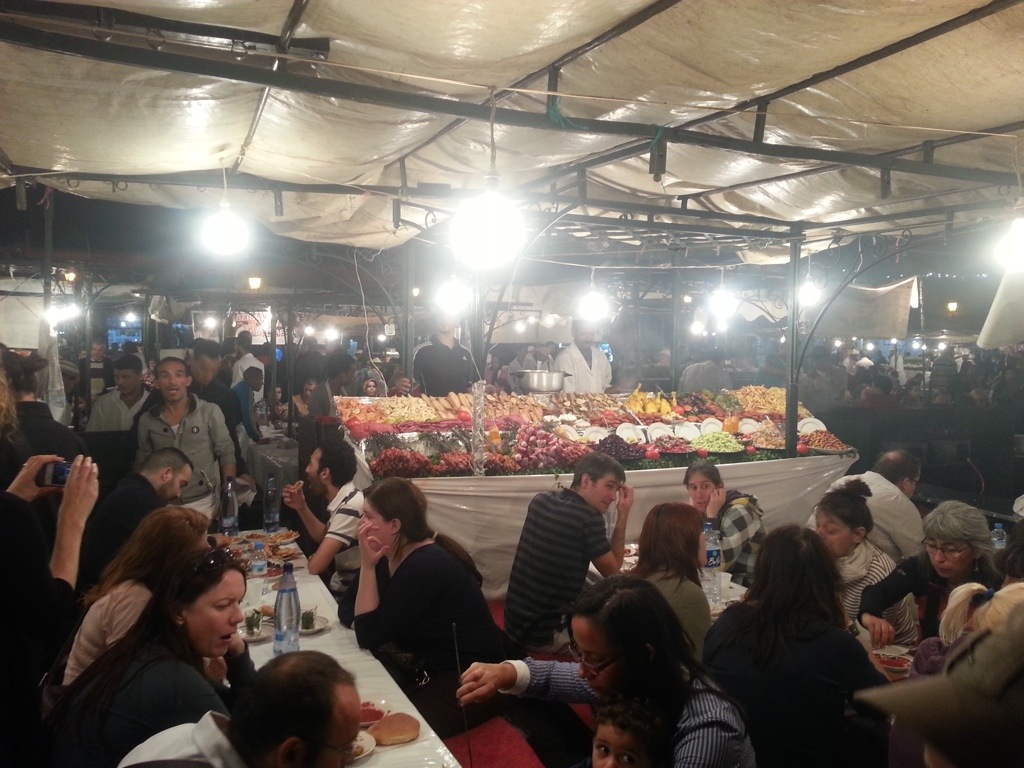
The night markets of Marrakech
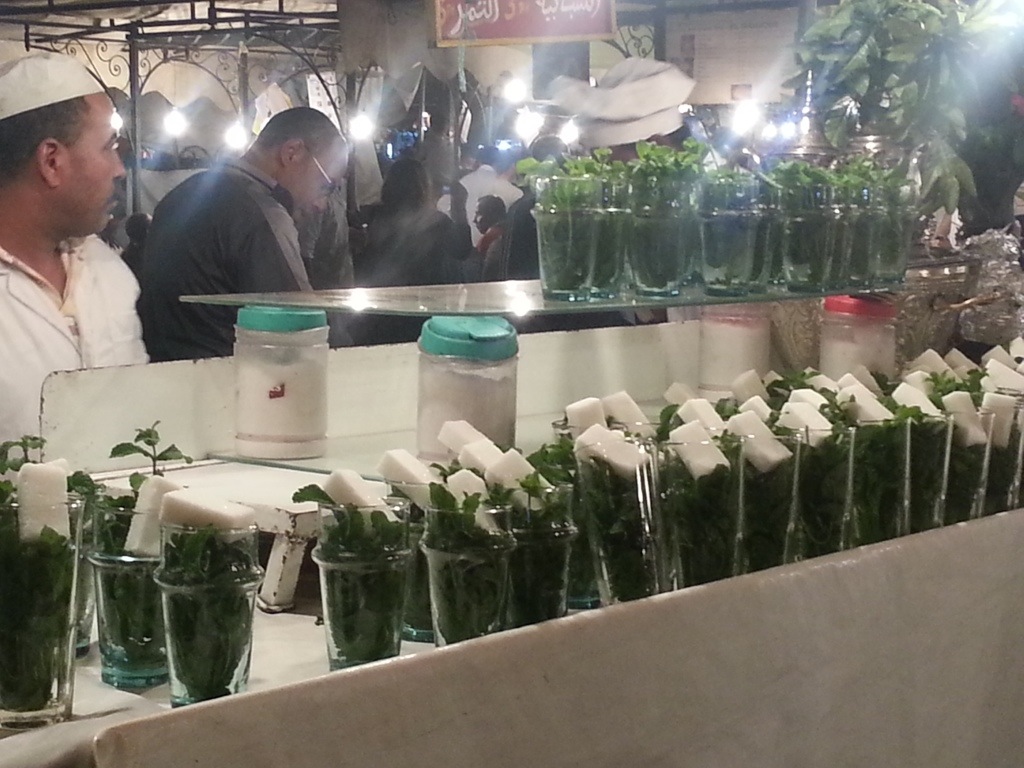
More Moroccan tea
Morocco – a land of contrasts
My Moroccan odyssey is coming to an end. To be honest, I didn’t have many expectations before I arrived here, but I have been pleasantly surprised with what Morocco has offered (apart from the food, but more on that later).
I have been travelling with Intrepid Tours, my first organised tour in 20 years. All in all it has been a positive experience – I could not have covered the sort of distances and seen so much variety in just 2 weeks if I was travelling independently. That being said, days were long, and routines more organised that I had been hoping for, but all in all I figure not a bad way to travel in this sort of country with limited time.
So, onto Morocco – it really is a land of contrasts. City and country, rich and poor, high snow covered mountains and the flat Sahara desert – it really does have it all. Not to mention the chaos and fun of walking around the narrow streets of the medinas. The one thing that really impressed me more than anything was how safe the country feels and how friendly the locals were. Sure, you still have to be street wise, and yes, there are still scams and offers of ‘Moroccan whiskey’ (mint tea) only to be lured into a carpet buying hustle, but overall the locals are very friendly and easy going.
So, onto the food. I really was looking forward to the whole Moroccan food experience, however the food in many of the villages outside the cities is not very varied, and there are only so many tagines, cous-cous and chicken skewers that you can eat on one trip. I also picked up some stomach bug on about day 4 which just insisted on staying around. Without going into details, it wasn’t too pleasant for either me or my roomie. I eventually got to a hospital a couple of days ago and they put a drip in me and filled me with antibiotics and other drugs and I am on the mend.
Now – onto a few photos – from Casablanca to Fez.
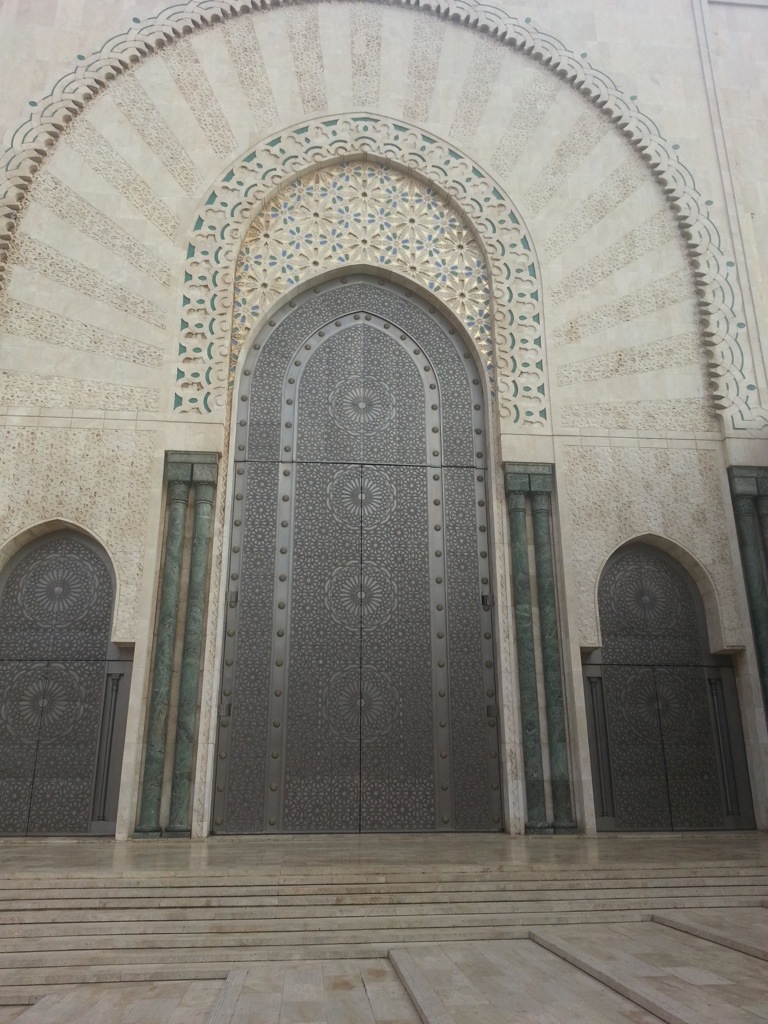
One of the entrances to the Hassan II mosque in Casablanca. It’s the largest mosque in Morocco and can hold 25,000 worshippers inside and another 80,000 outside. The mosque was completed in 1993 and I was struck by the level of detail and craftsmanship used on such a modern building

Inside the mosque (unfortunately a bit blurry but hopefully gives an idea). One of the main features is an enormous carved cedar wood roof which retracts to let in fresh air and light when the mosque is full on the holy days
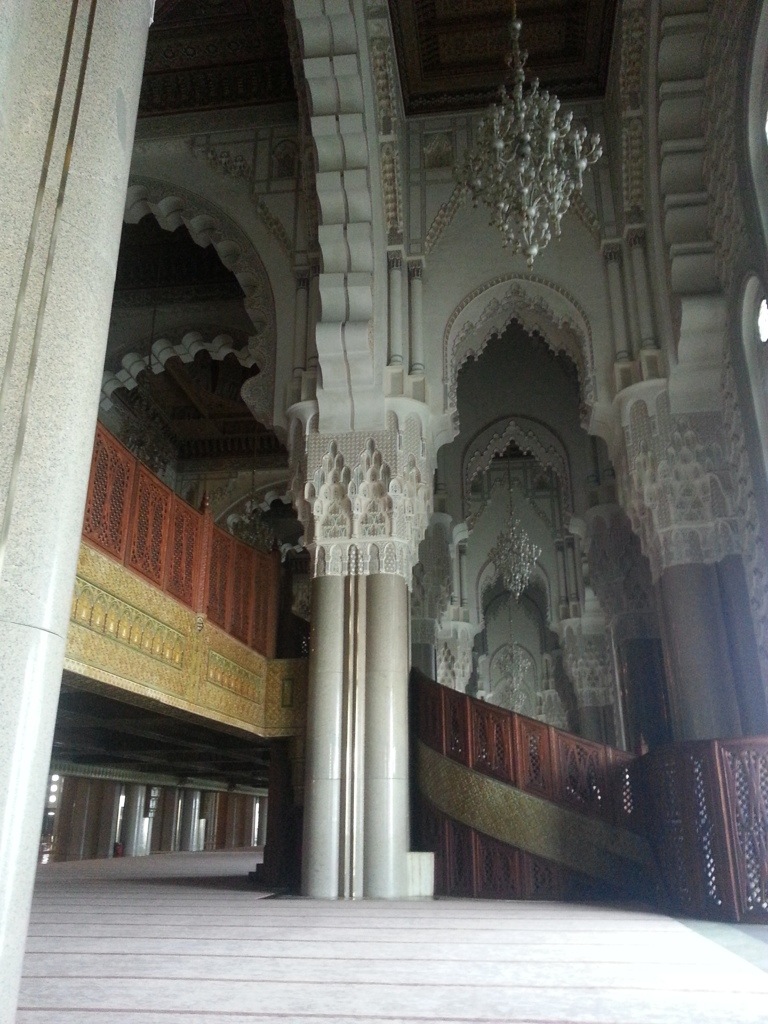
More detail inside the mosque.

The ablution room – a cavernous room under the mosque where worshippers prepare for prayer

The old town wall of Rabat
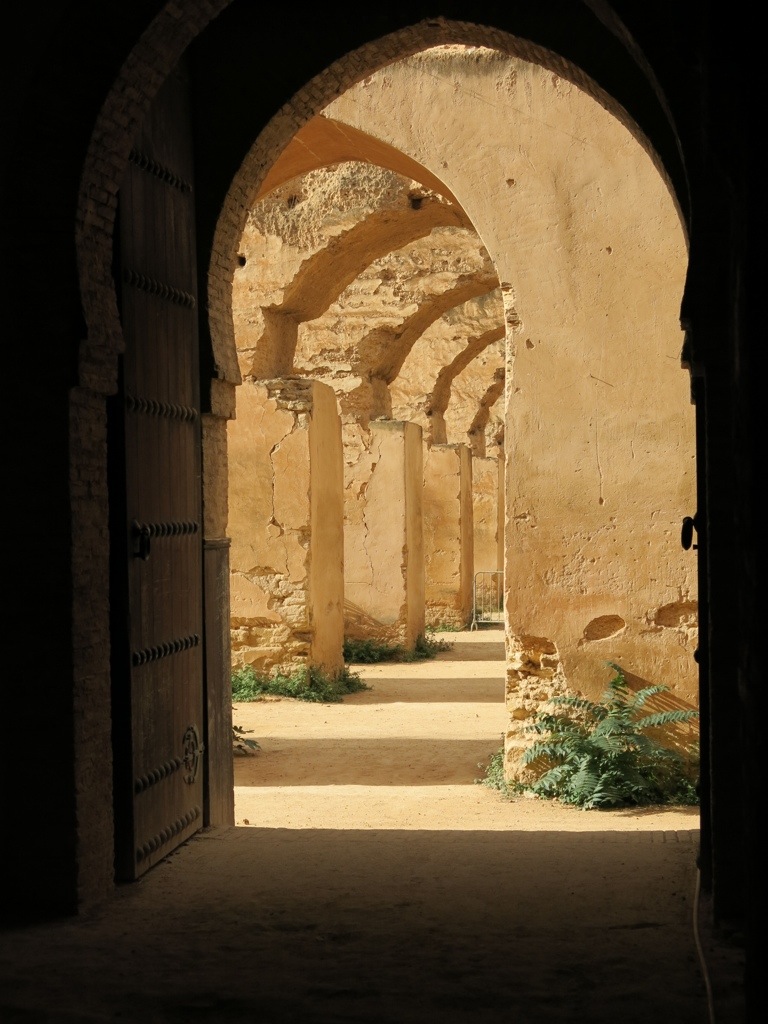
The old granary ruin in Meknes where they stored the grains
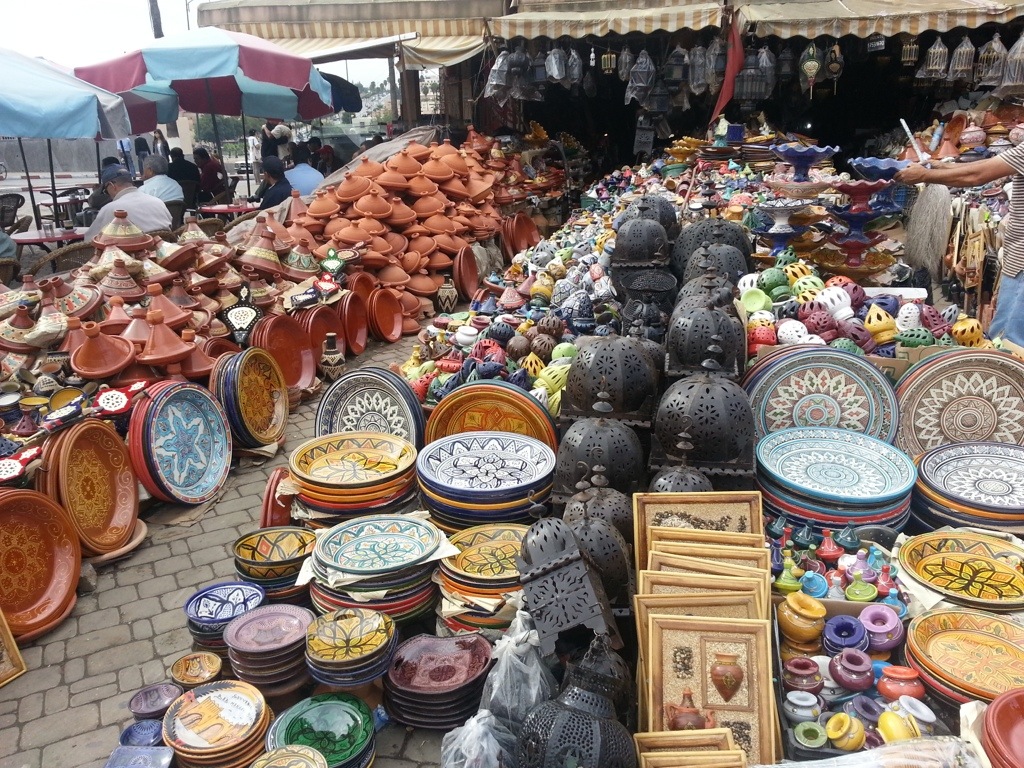
The Meknes medina
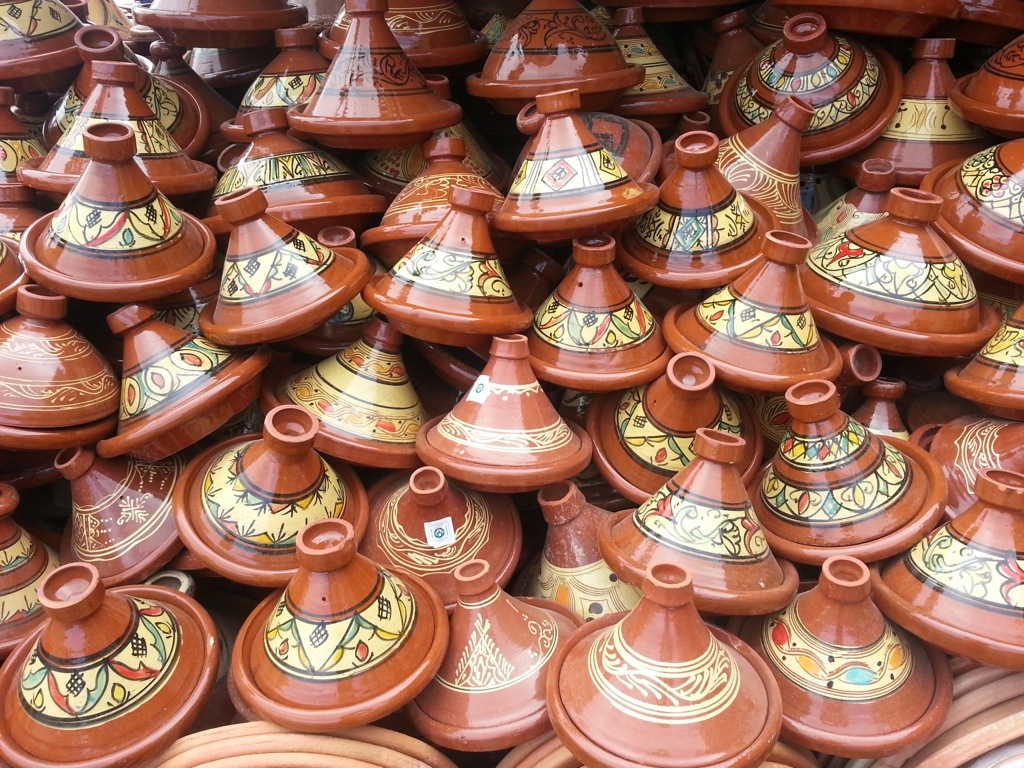
Meknes medina
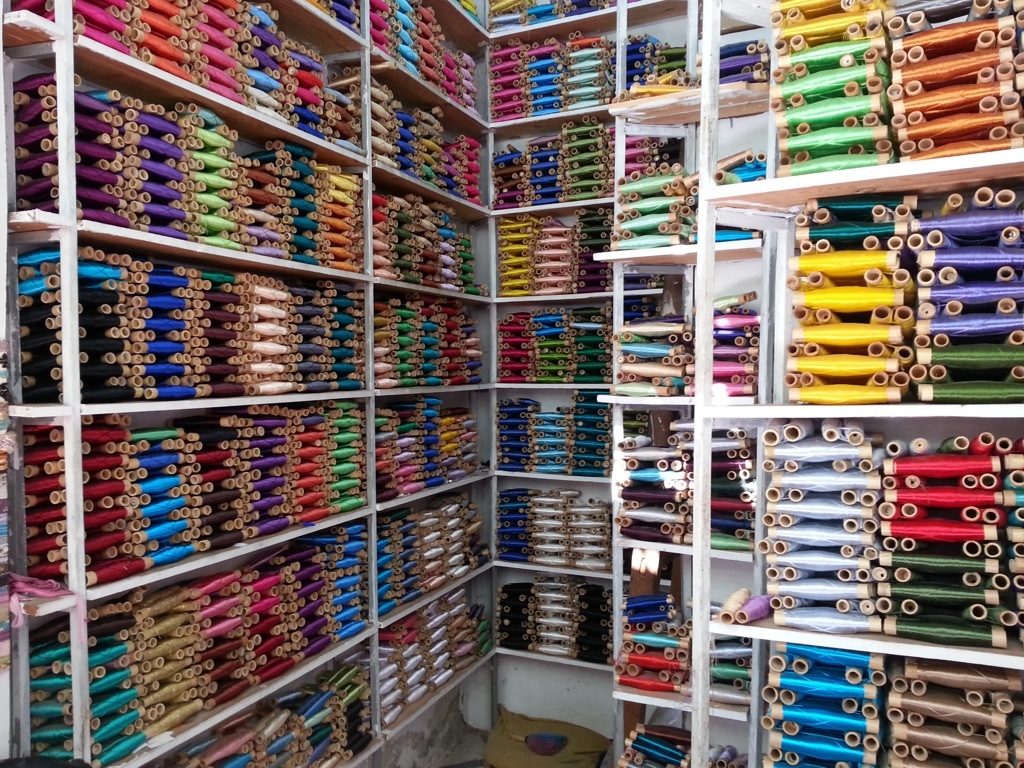
Inside the medina
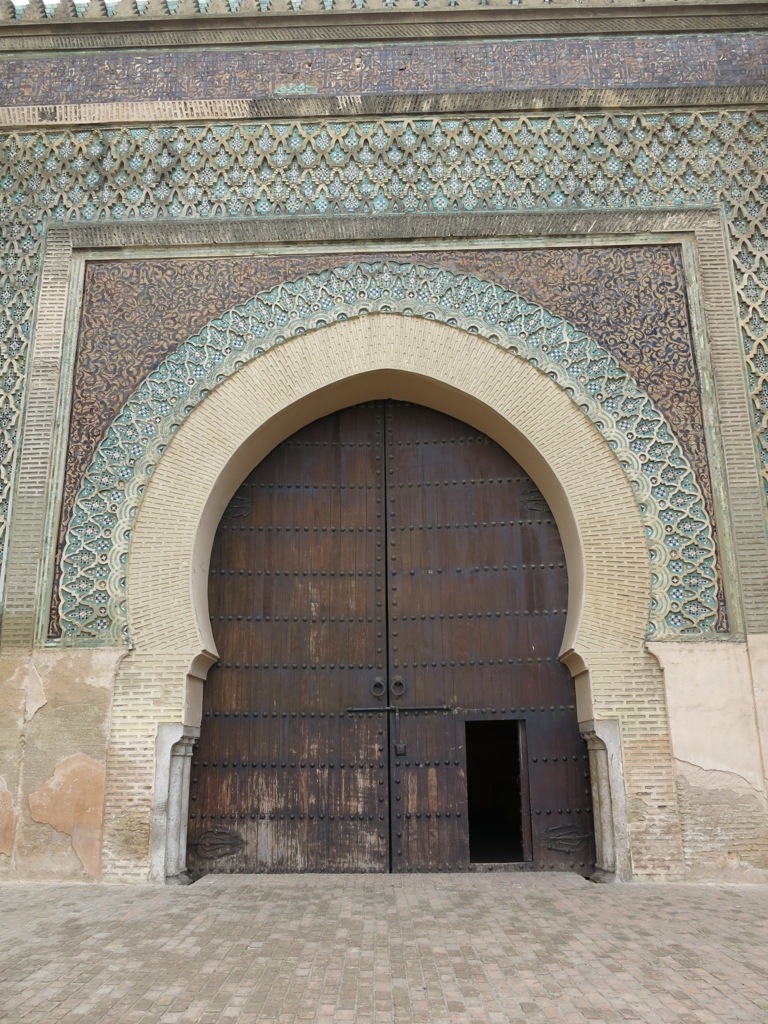
One of the main gates to the Meknes medina
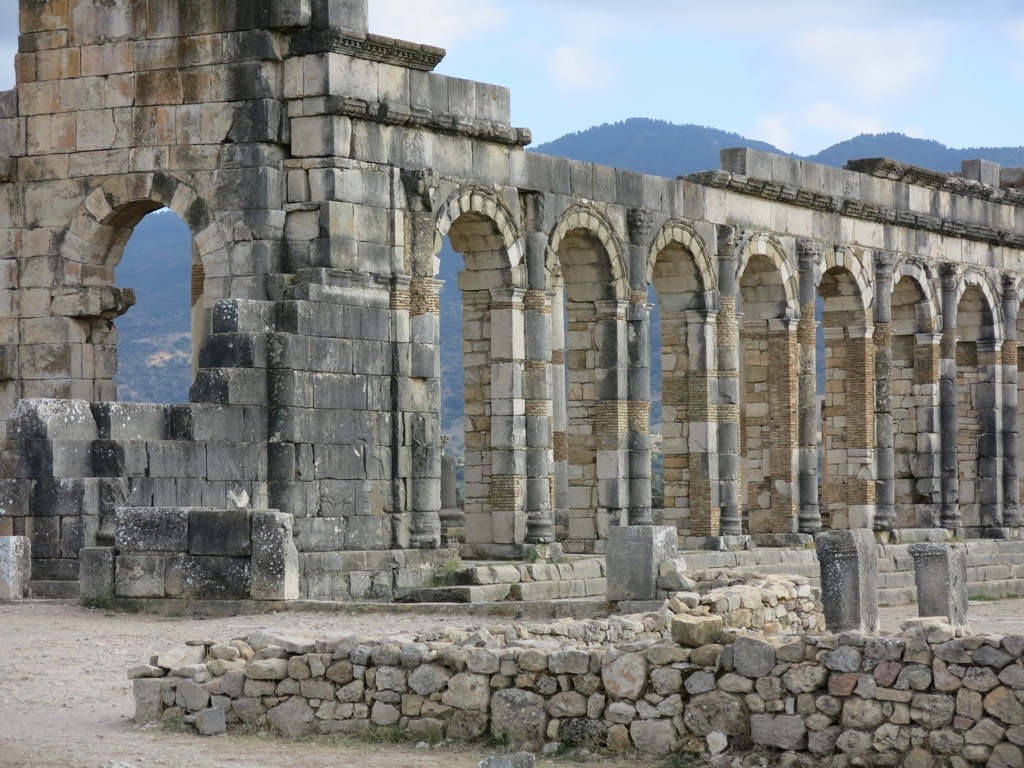
The ruins of Volubilis. It was one of the Roman empire’s most remote bases. The main structures remained intact until they were damaged by an earthquake in the 18th century.

Volubilis
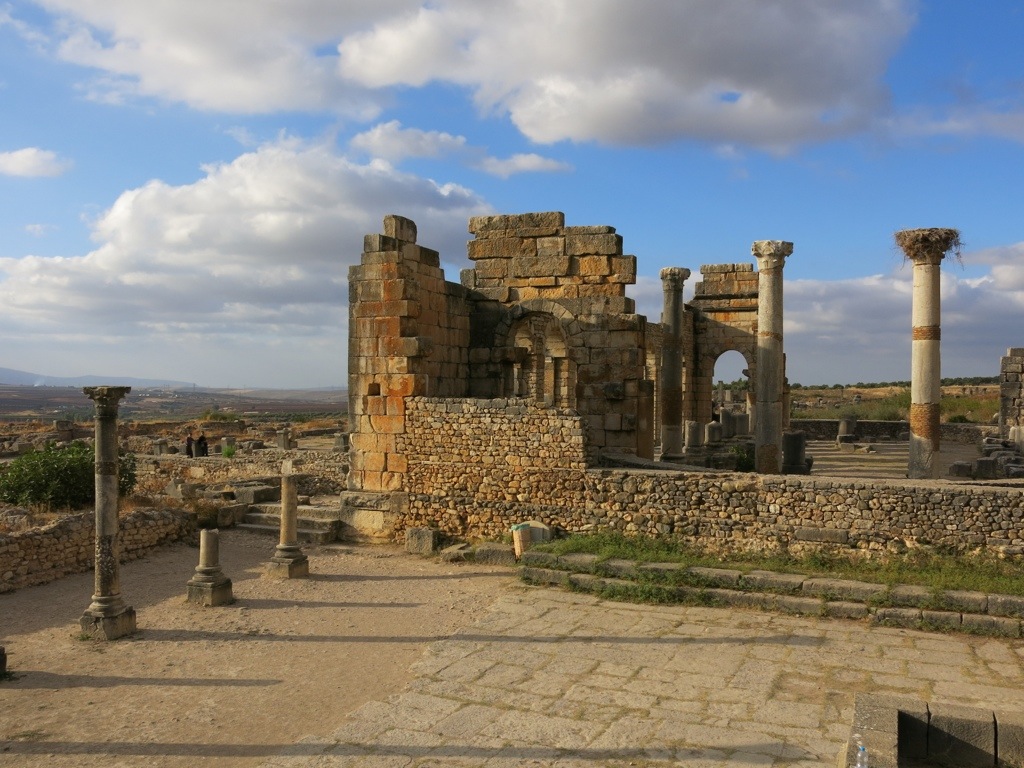
Volubilis
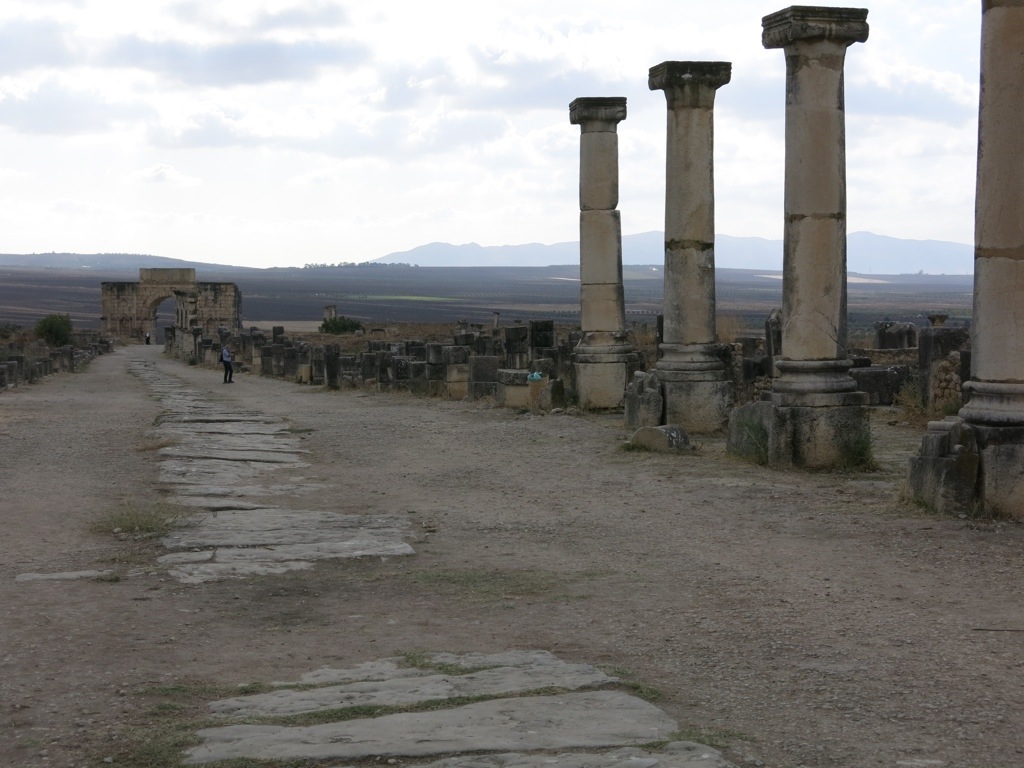
Volubilis
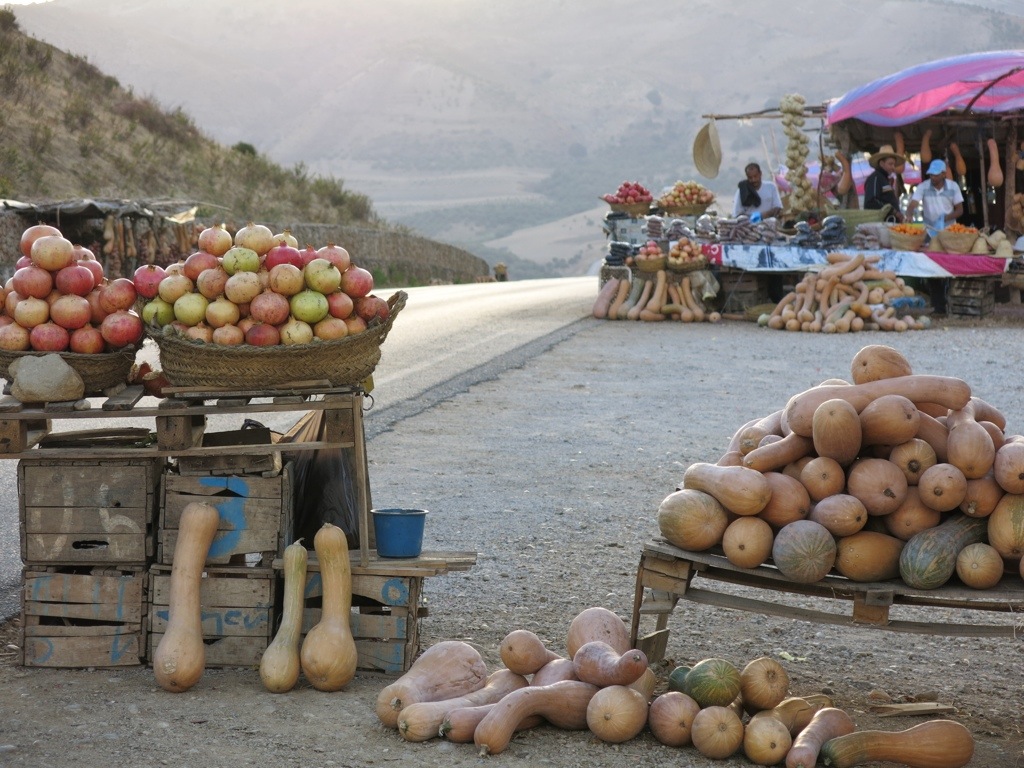
Roadside stall

Overlooking Fez medina

The narrow streets of the Fez medina
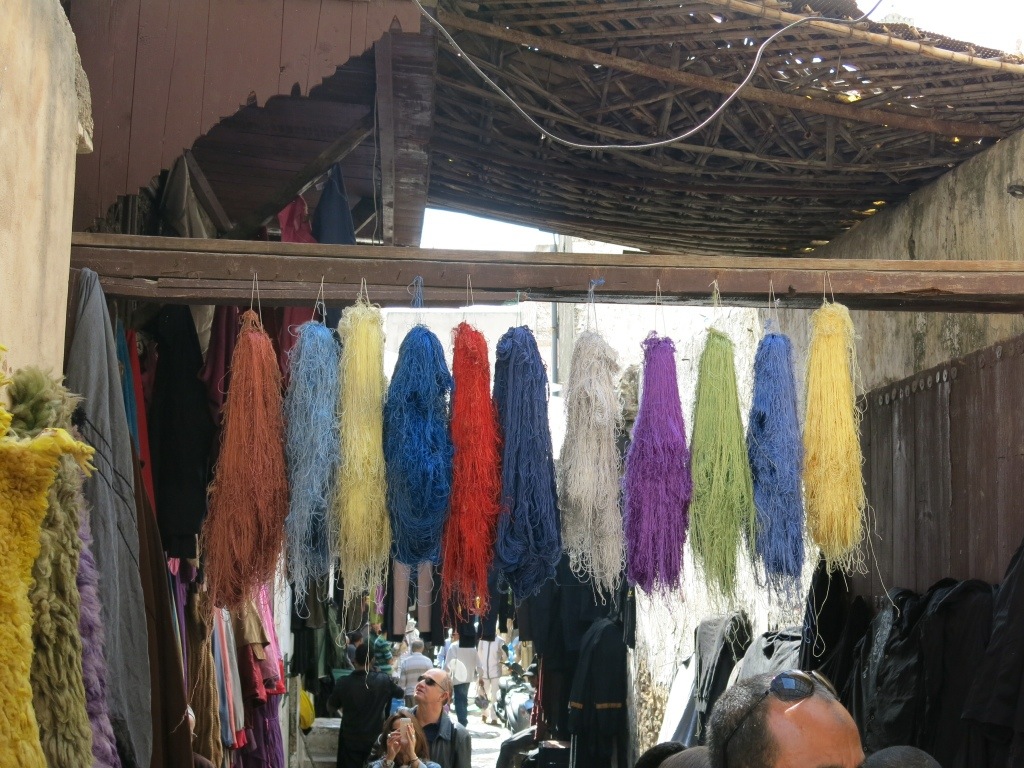
Dyed silk
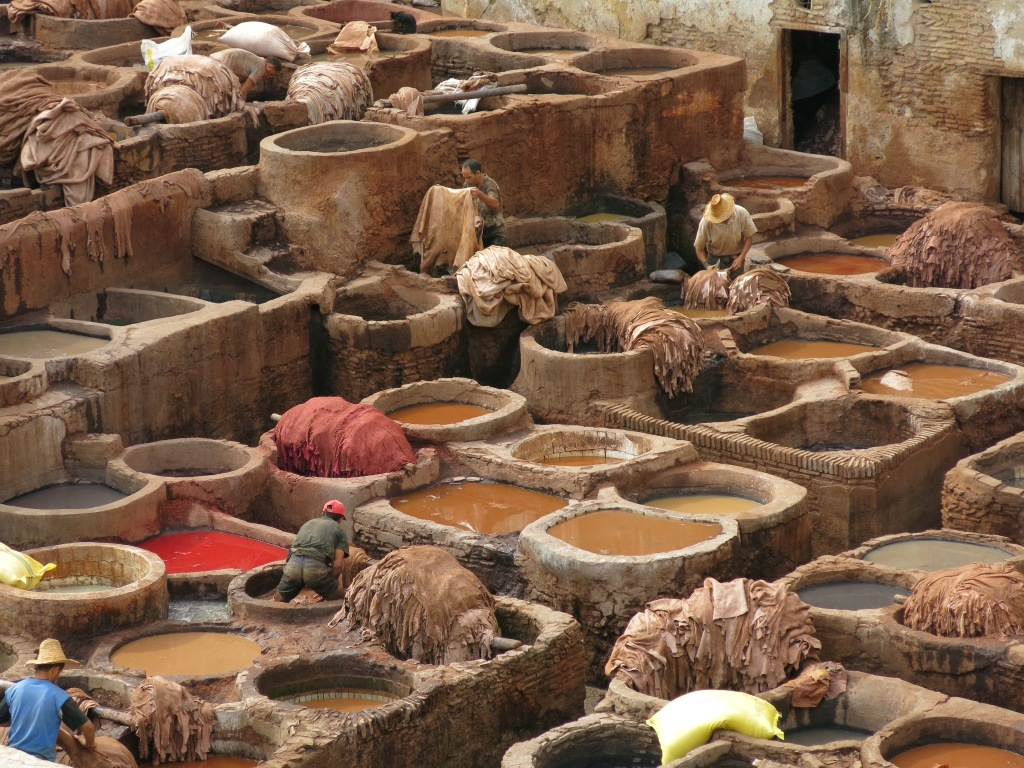
The Fez tannery. Not a place for the faint hearted, although the smell wasn’t as bad as I had heard. The men work for hours in pretty poor conditions processing and dying the animal hides.

Drying the goat hides
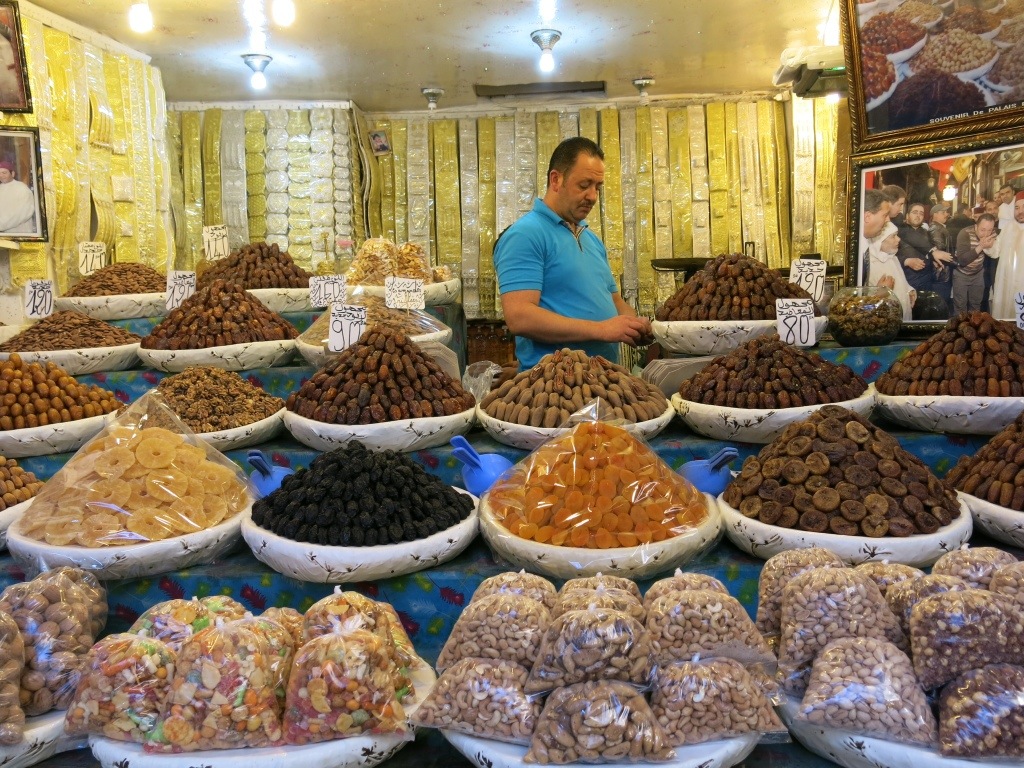
Shopping in the Fez medina
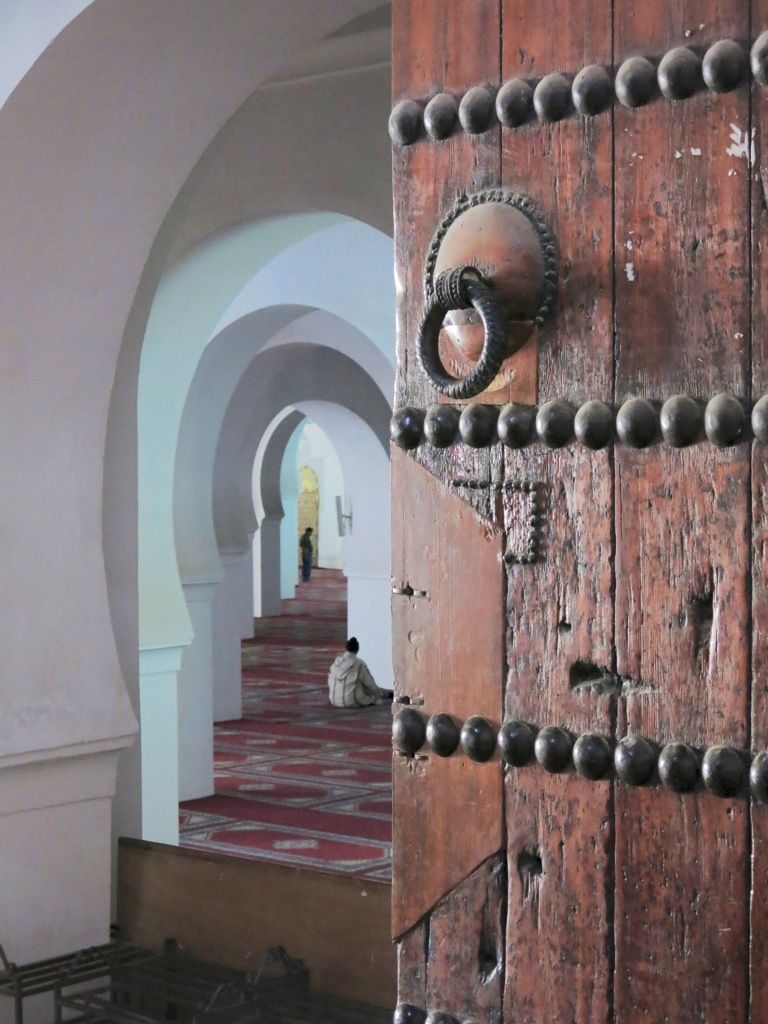
Peering inside a mosque. The Fez medina has at least 365 mosques within its walls – one for each day of the year.
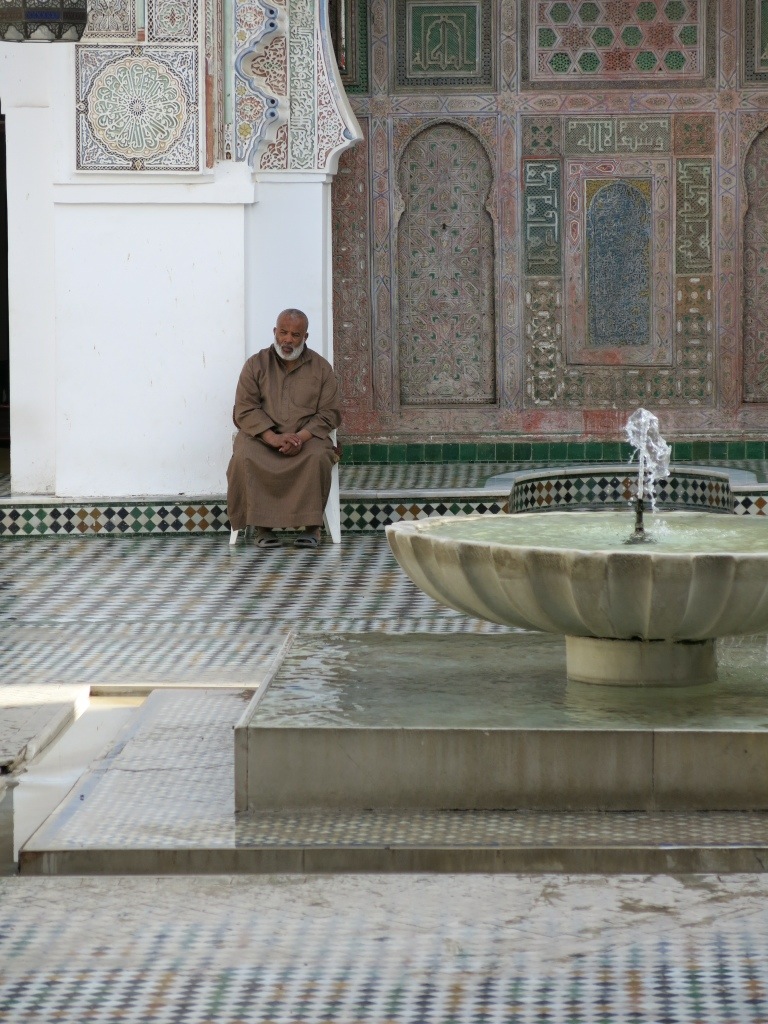
Time for some contemplation

Moroccan architecture

The old man

Trying on some local costume

Hand making the Moroccan rugs
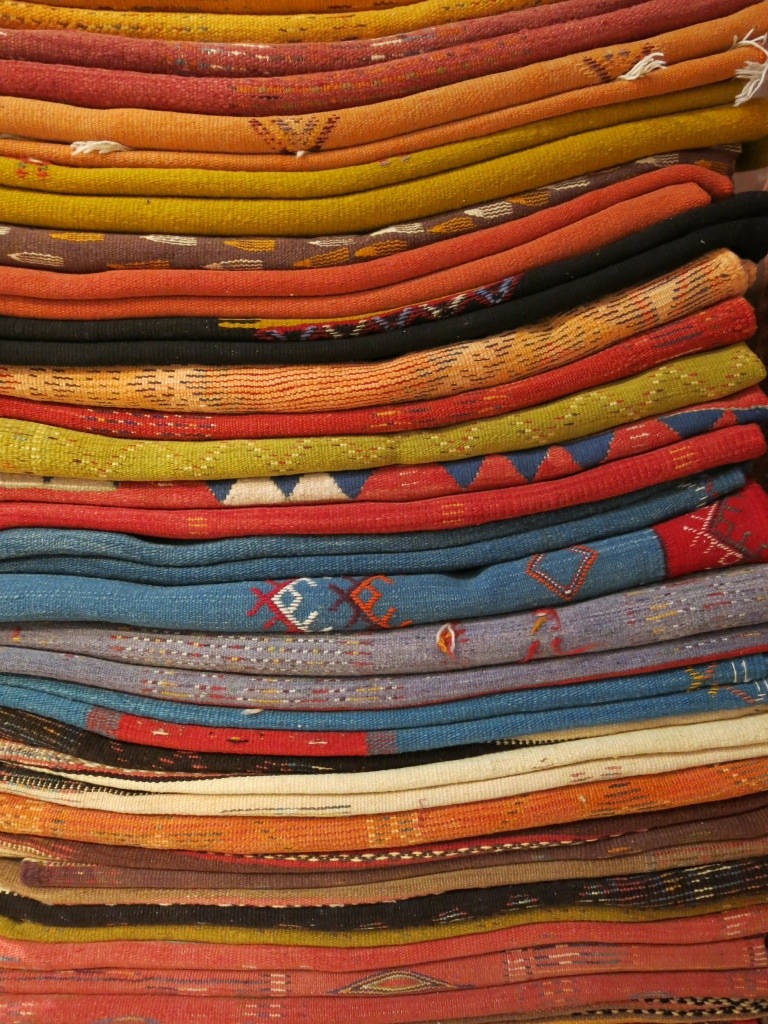
Moroccan rugs
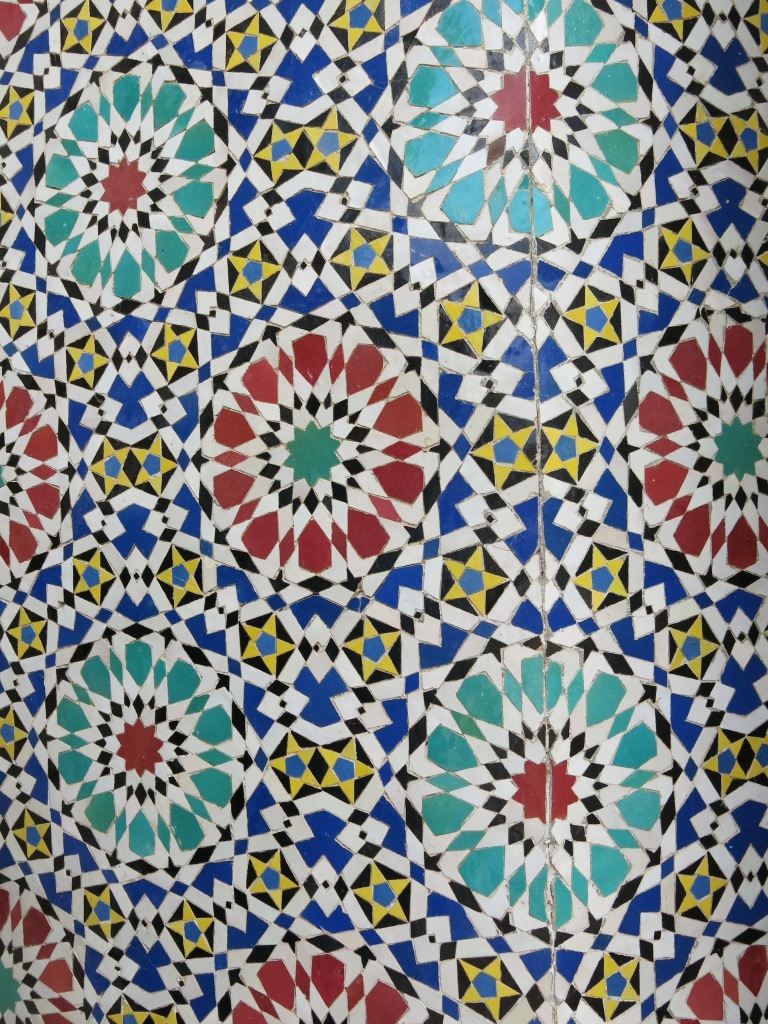
Moroccan mosaics
Porto, Portugal
Well after 34 days of walking, I was more than ready to chill for a few days. I headed down to Porto in Portugal – a beautiful city renowned for being the home of port and its historic UNESCO listed world heritage area. The weather was similar to Spain – sunshine and then rain, but made the most of the time that I had.

Porto skyline

A tiled church. Old ceramic tiles are one of the features of the city
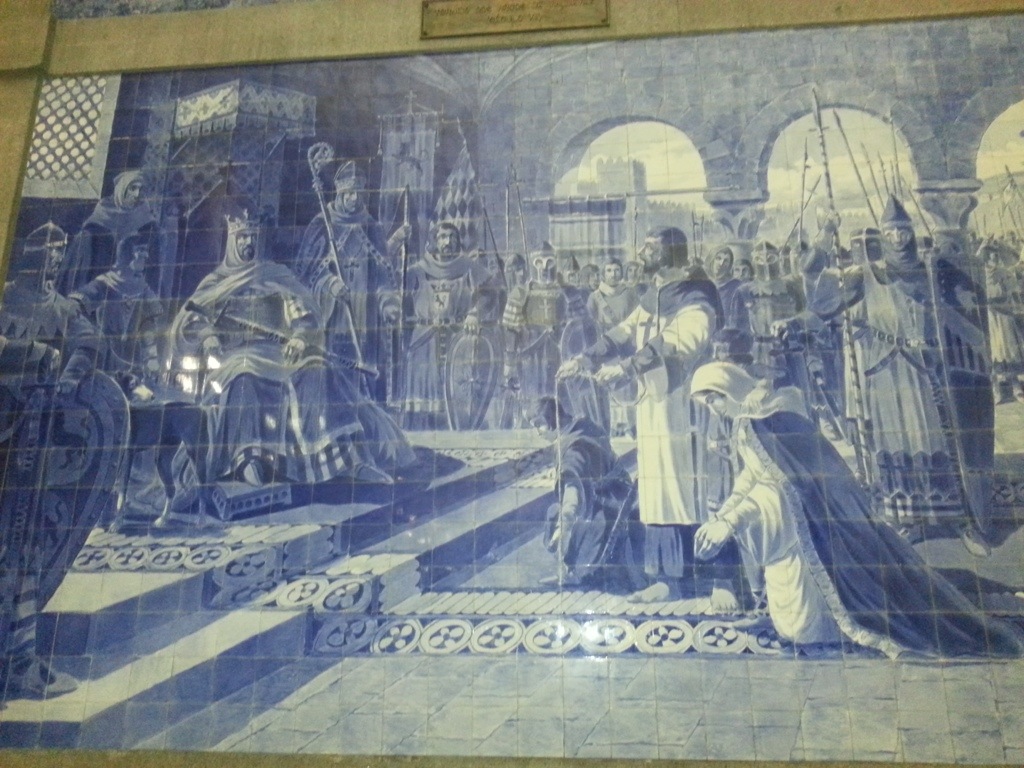
A tiled mural in the main train station

One of the main boulevards in Porto

Watching the world go by
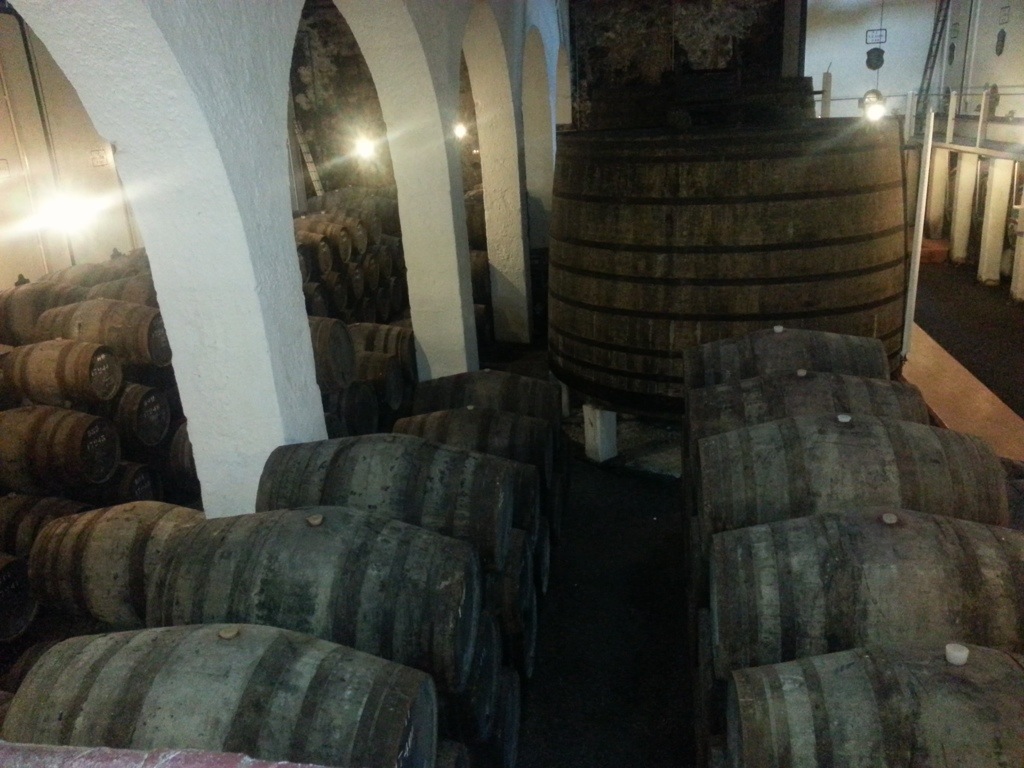
The port “caves” where the port is matured

Standing on the Dom Luís Bridge

Porto by the river

Colourful shop front
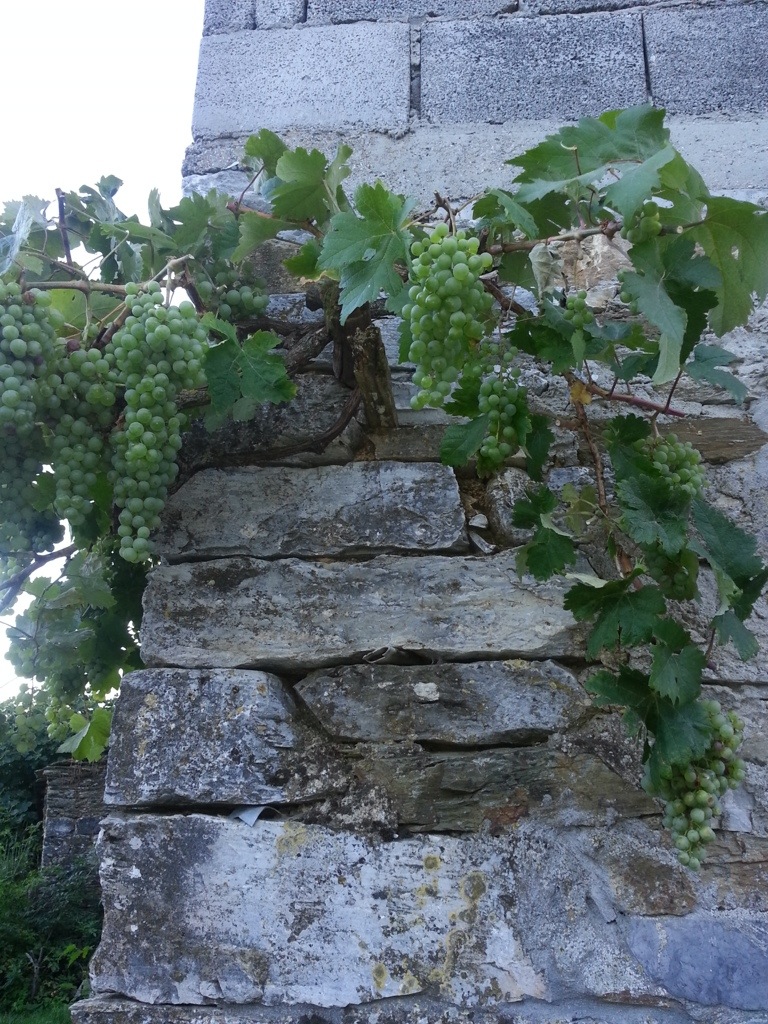
Things of stone and wood
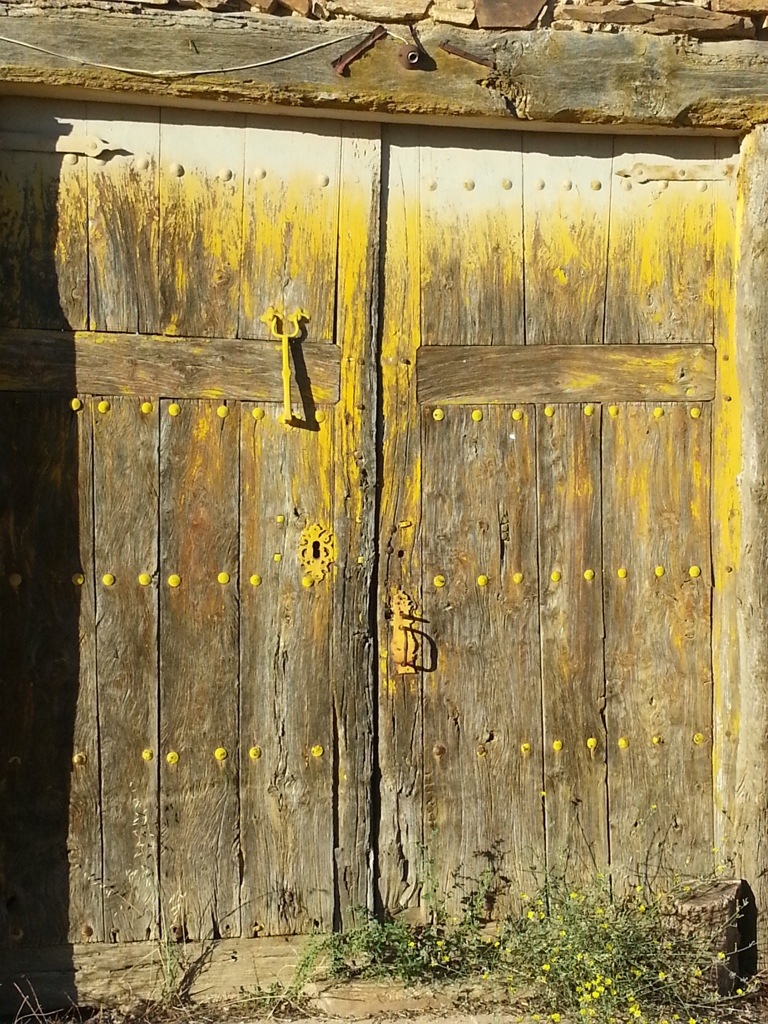
A few odds and ends that caught my eye.
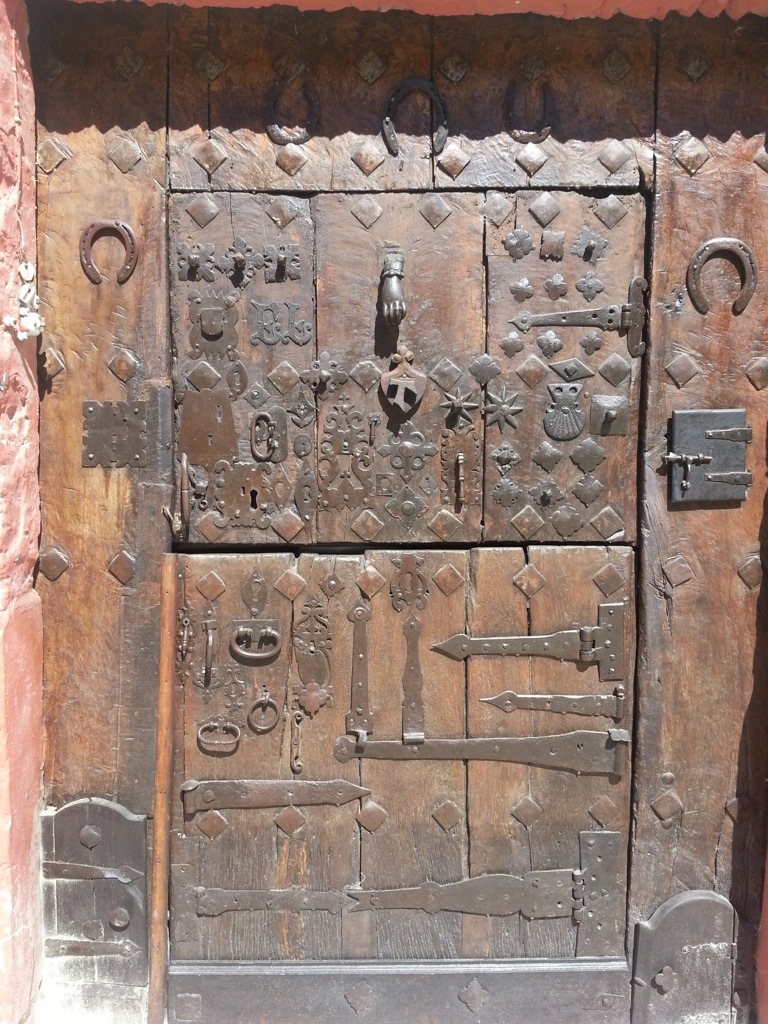
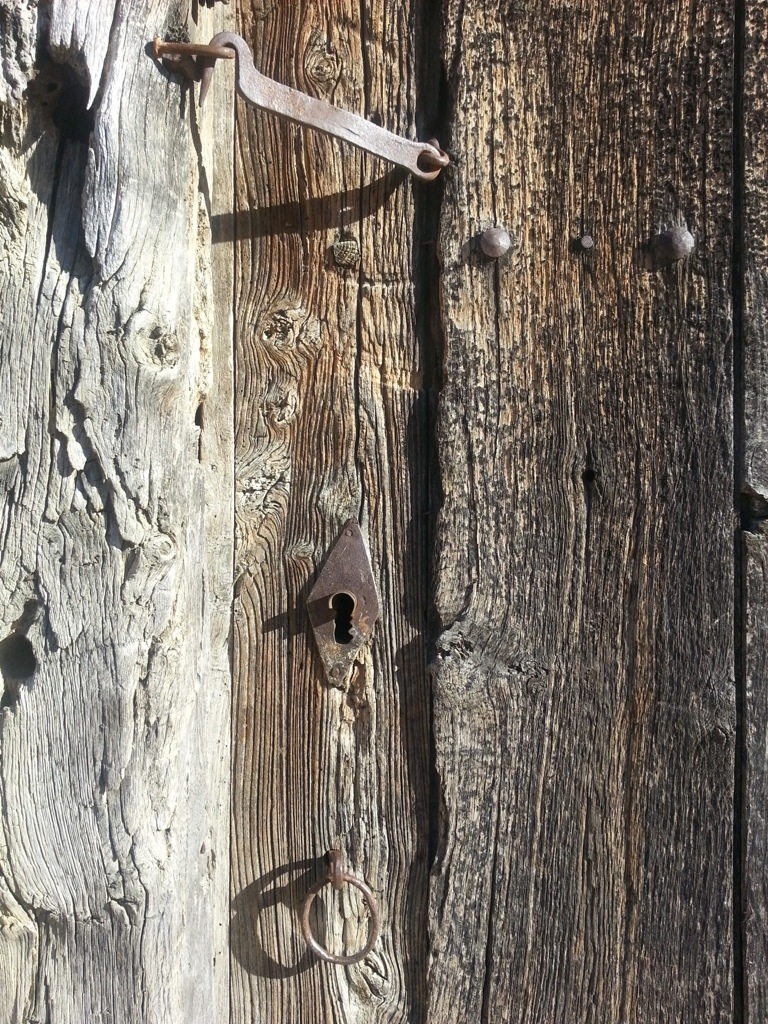
Spanish door

Recent Comments
Tony on India – Gokana and … stephen on India – Gokana and … Tony Tabone on India – Rishikesh via… Rhonda on India – Varanasi Barbara Takashima on India – Rajasthan


 Tales from the Trail